
There is a moment that a lot of professionals in their late thirties and early forties know well. The career is moving. The bills are getting paid. By most measures, things are going according to plan. And yet something feels off. The question that surfaces in that moment is not about money or titles. It is about purpose. Is this the work that was meant to happen? Is there still time to build something that actually matters? For women over 40 starting a business, that question is the starting line. It is where burnout and entrepreneurship intersect, where the cost of staying on the wrong path finally outweighs the fear of building a new one. Business coaching for women who are ready to make that leap is not about motivation or mindset alone. It is about purposeful business building, creating something sustainable, intentional, and designed around the life you actually want to live.
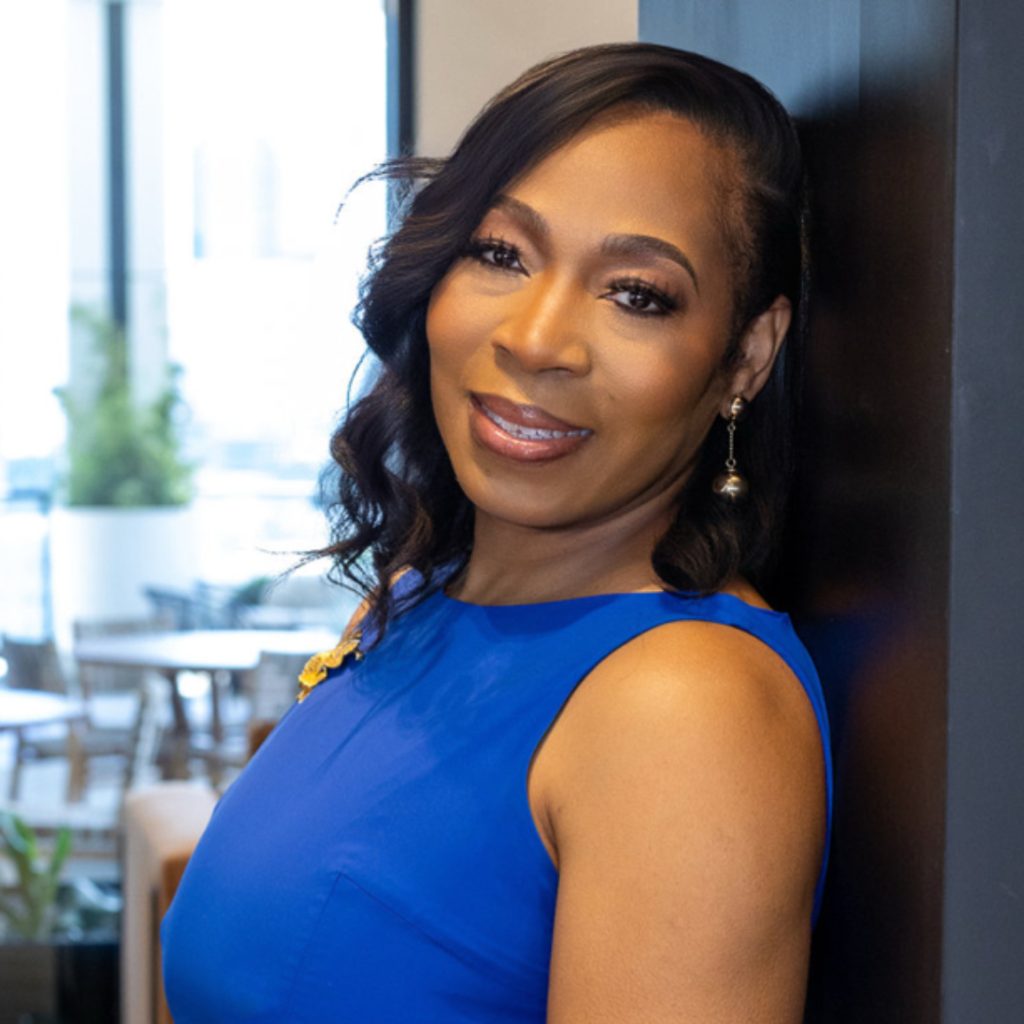
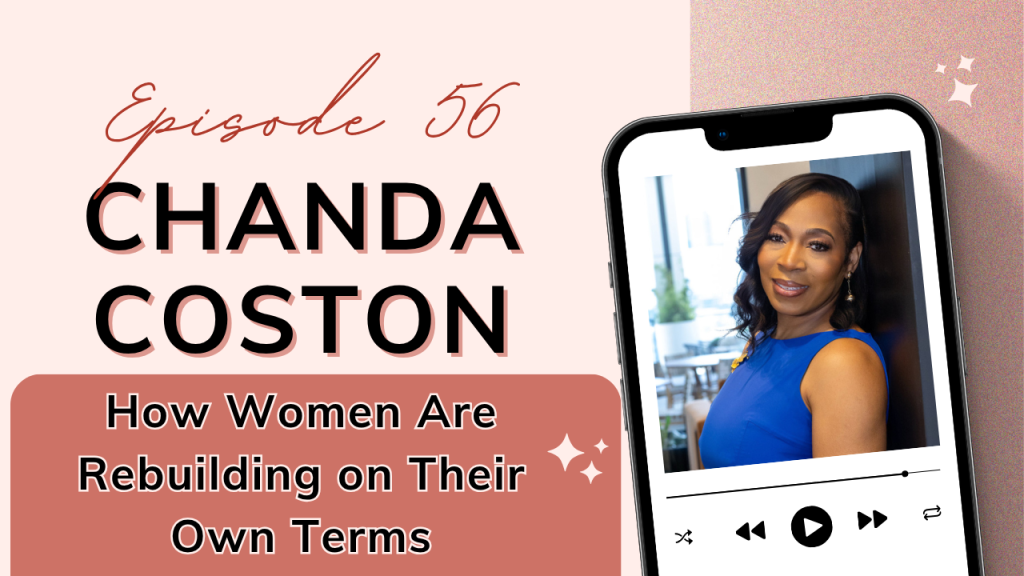
For women over 40 starting a business, that question is not just common. It is the starting line. Business coach and strategist Chanda Coston has made it her mission to meet women at that starting line and help them build something sustainable, purposeful, and designed around the life they actually want to live. In Episode 56 of DissedMedia: A Startup Story, host Ben Olmos sits down with Chanda to explore what burnout and entrepreneurship really look like from the inside, what business coaching for women actually delivers, and why the most powerful thing a business owner can do is give herself permission to stop running on empty. This is one of the most grounded and honest conversations the show has produced, and it is aimed squarely at every woman who has looked at her schedule and wondered how she got here.
Who Chanda Coston Is
Chanda’s path to business coaching did not follow a straight line, and that is precisely what makes her so effective at what she does. She began her career in the military, served for ten years, and then transitioned into corporate life working in government consulting. She moved back into public service, then into government contracting as an independent consultant and entrepreneur, which gave her firsthand experience with the particular pressures of building a business without a safety net.
During that season of her life, she experienced a devastating personal loss. Her brother, Raki Ishmael Brooks, was killed by gun violence in 2018 at just 27 years old. Rather than retreat, Chanda channeled that grief into action. She founded the HEB Foundation, named after her brother’s nickname, Hebe. The foundation stands for Healing, Evolving, and Building Community, and it serves families in the Hampton Roads area of Virginia who have been affected by gun violence. The HEB Foundation runs mentorship programs for young adults, seasonal relief initiatives, and Camp Healings, a summer program that gives children in affected communities access to play and art therapy.
It was in that nonprofit space that Chanda discovered her real gift: teaching, mentoring, and coaching. Her peers began asking her to work with them one-on-one. She completed formal coaching programs. Her kids grew up. And she made the leap into full-time coaching, targeting the women who needed her most: those around the age of 40 who were ready to build businesses that fit the season of their life, not the other way around.
The Burnout Problem Nobody Talks About Honestly
When Ben asks Chanda what her clients most commonly bring to her, her answer is immediate. Overwhelm. Not a lack of ideas, not a bad business concept, not a missing skill set. Pure, grinding overwhelm. Burnout and entrepreneurship are so closely linked in the coaching space that most professionals treat them as inseparable, and Chanda agrees that they often are. But she draws a critical distinction. Burnout is not a personality flaw. It is a structural problem.
Most of the women who come to Chanda have done the same thing: they left a job or a career to start a business and, without realizing it, built another job. The freedom they were chasing never arrived because the systems that would create freedom were never put in place. They are doing every task, absorbing every problem, and filling every hour with activity that feels productive but is not building anything scalable. Business coaching for women in this situation is not therapy and it is not cheerleading. It is strategic intervention, and Chanda approaches it that way.
Structure Is Not the Opposite of Freedom
One of the most counterintuitive ideas Chanda brings to the conversation is her relationship with structure. She is a certified Project Management Professional, a PMP, and she carries a Six Sigma Black Belt, credentials that put her squarely in the world of operational discipline. Ben, who shares both a Six Sigma background and years of project management experience, recognizes immediately what she is describing. Structure is not a cage. It is the thing that makes everything else possible.
When a client tells Chanda she has no time, the first thing Chanda does is a calendar audit. They look together at exactly how the client is spending her hours. What comes out of that exercise is almost always the same: time is being lost in small, untracked increments across the day, and the schedule is not organized around priorities. Chanda introduces time blocking, task batching, and themed CEO days. She teaches clients to review their calendar at the start and end of every day so that when life shifts, as it always does for someone managing five adult children, four grandchildren, and two aging parents as Chanda herself does, the difference between what is negotiable and what is not is always clear.
For women over 40 starting a business, this kind of structure is not optional. It is the foundation that everything else gets built on top of. Once the operational skeleton is in place, Chanda says, all the client has to do is build to scale. The creative, joyful, purposeful work becomes possible because the structural work has already been done.
The Book She Recommends to Every Client
Chanda returns consistently to one resource when she talks about helping clients shift from overwhelmed to organized. The 12 Week Year by Brian Moran is her go-to recommendation across her entire client base because it takes the principles of project management and translates them into a framework entrepreneurs can actually use. It gives clients milestones. It gives them due dates. It compresses the planning horizon in a way that makes goals feel achievable rather than abstract. When a client can see her idea turn into a full business plan with specific tasks and deadlines, something shifts. The overwhelm does not disappear, but it becomes manageable. That shift is what purposeful business building looks like in practice.
What Purposeful Business Building Actually Means
The phrase “purposeful business” gets used a lot in the coaching space, and Chanda is precise about what she means by it. A purposeful business is one that fits the season of its owner’s life. It is not just a business that aligns with the owner’s values, though that matters too. It is a business that is structured in a way that the owner can actually live inside of it without sacrificing her health, her relationships, or her sense of self.
This is why Chanda’s coaching combines personal development with business strategy. She works on the limiting beliefs her clients carry alongside the operational systems they need to build. The inner work and the structural work are not separate tracks. They are the same project. Purposeful business building, in Chanda’s framework, starts with the person before it starts with the plan. A woman can have the best business model in the world and still sabotage herself with the stories she tells about her own capacity, her worth, or her right to take up space as an entrepreneur.
Burnout and entrepreneurship are connected in both directions. The burnout often comes from running a business that was never designed to be sustainable. The path out of burnout runs through a business that is built with intention from the ground up. That is what business coaching for women who work with Chanda is actually delivering. And understanding the full relationship between burnout and entrepreneurship is what separates coaches who produce real change from those who just offer motivation.
The Nonprofit Work Running Alongside the For-Profit Work
Ben is struck during their conversation by the way Chanda’s for-profit coaching and her nonprofit work at the HEB Foundation mirror each other. Both are about helping people build something better out of circumstances that could have stopped them. The foundation serves families facing one of the most catastrophic kinds of loss. The coaching practice serves women who are facing a quieter kind of crisis, the realization that the life they built is not the life they want.
Chanda does not see a contradiction between running both. She sees continuity. The tools change. The scale changes. The populations she serves are different. But the underlying work is the same: meeting people where they are and helping them move toward something that feels like progress, purpose, and peace. This dual commitment is also what makes business coaching for women with Chanda feel different from generic entrepreneurship advice. She is not working from theory. She is working from experience.
Giving Yourself Permission
There is a phrase Chanda returns to throughout the episode, and it lands differently every time she says it: give yourself permission. Permission to structure your business around your life instead of the reverse. Permission to step away from the desk for fifteen minutes between time blocks. Permission to not be everything to everyone all the time. Permission to evolve, change direction, and build something new if the old thing stops fitting.
For women over 40 starting a business, this is often the hardest part. They have spent decades in roles, both professional and personal, that rewarded constant output and penalized rest. The identity of the person who always delivers is hard to set down, even when it is making everything worse. Chanda does not tell clients to abandon their drive. She helps them redirect it toward purposeful business building that sustains them instead of depletes them.
How to Connect with Chanda Coston
Website: chanda-co.com
Social Media: @cchanda__co
HEB Foundation: thehebfoundation.org
About the Show
DissedMedia: A Startup Story follows the real-time build of DissedMedia Corporation and The Daily Pitch, featuring candid conversations with founders, operators, coaches, and experts on what it actually takes to start, grow, and sustain a business.