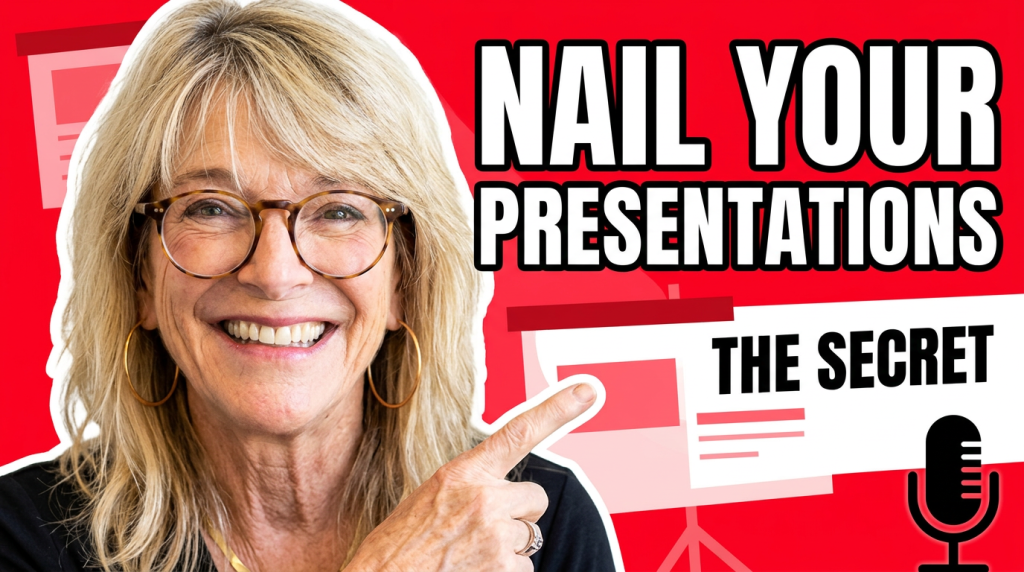

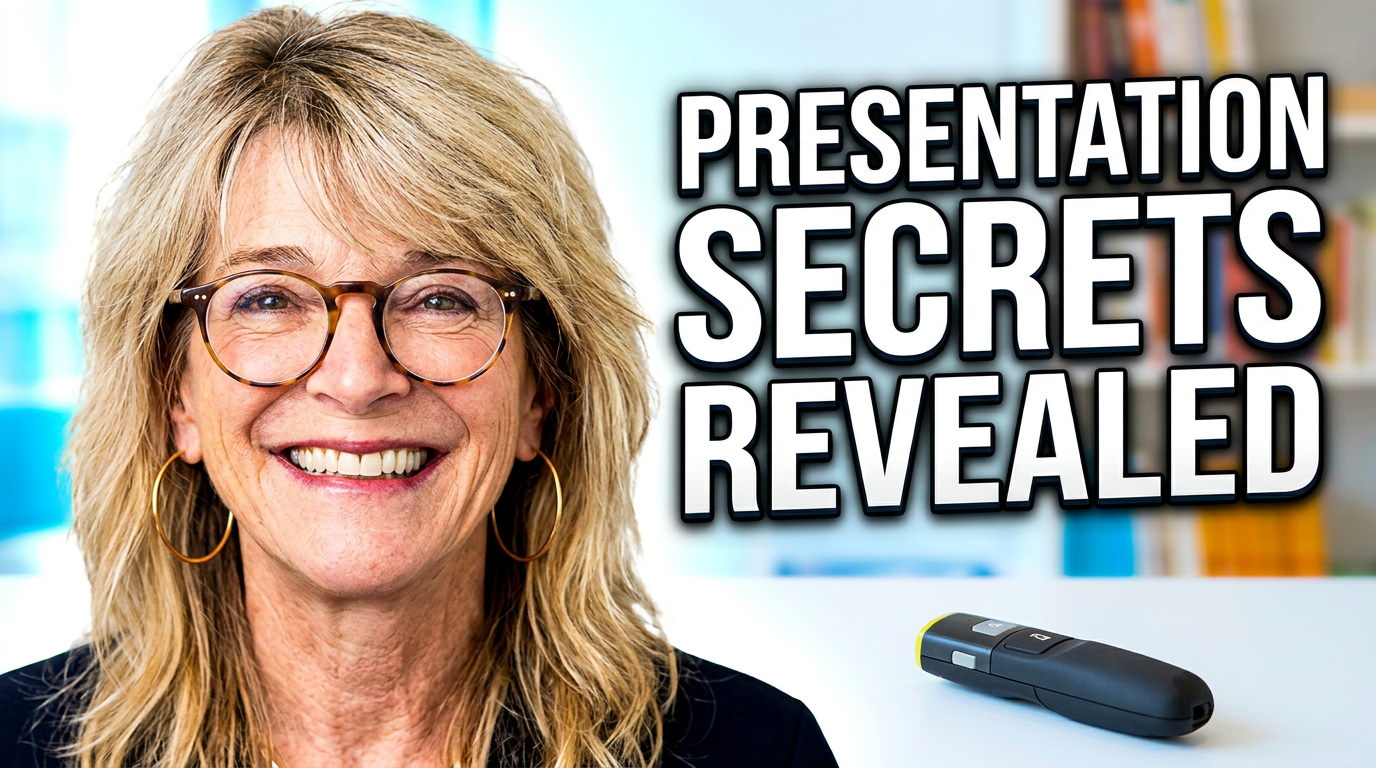
Learning how to improve public speaking skills is one of the highest-leverage investments any entrepreneur, leader, or professional can make. Yet most people either avoid presentations entirely or keep repeating the same mistakes without understanding why their message is not landing. Debbie Fay has spent nearly 20 years fixing that. As the founder of Bespeak Presentation Solutions and author of Nail It: Create and Deliver Presentations That Connect, Compel, and Convince, she has coached executives at BNY Mellon Bank, the US Fund for UNICEF, and dozens of other organizations on the presentation skills that actually move people to action. In Episode 69 of DissedMedia: A Startup Story, she joined Ben Olmos for a masterclass on how to improve public speaking skills, covering public speaking tips, presentation anxiety, and what it actually takes to nail a presentation.
How to Improve Public Speaking: Start with the Audience, Not the Slides
Before Debbie discusses delivery, nerves, or slide design, she starts somewhere most presentation coaches skip: the audience. Her first rule for anyone working on their presentation skills is to turn their focus 180 degrees, away from what they want to say and toward who they are saying it to.
Before building any outline, she asks presenters to genuinely consider what their audience cares about, what problems they are trying to solve, what they already know about the topic, and why the subject matter matters to them specifically. Her test is simple: if you cannot write down five concrete reasons why your topic is important to your audience, either you have not thought hard enough or you need to open your presentation by making the case for why they should care.
This audience-first orientation also directly reduces public speaking anxiety. When a presenter is genuinely focused on serving people who need their message, the internal monologue that keeps nervous speakers stuck loses its grip. You cannot simultaneously focus on your audience and obsess over your own performance.
The Science Behind Public Speaking Anxiety

One of the most compelling parts of the conversation is Debbie’s breakdown of research by Michael Motley, a professor at the University of California Davis who has studied the physiology of public speaking anxiety through an objective, measurable lens: heart rate. What Motley found is that everyone’s heart rate accelerates in the minutes before speaking, regardless of experience level. In the first few minutes of the actual presentation, it accelerates more. But then the paths diverge.
For confident presenters, the heart rate decelerates quickly and settles at a comfortable but energized level. For nervous speakers, it can spike to 185 beats per minute and stay there, producing sweating, shaking, and the sensation of mental shutdown. The reason, Motley discovered through interviews, is the internal dialogue happening in the nervous speaker’s head. While speaking, they are simultaneously running a commentary: I am terrible at this, why did I say that, everyone can tell. The pronoun is I. The focus is entirely on themselves.
The cure follows directly from the cause. Shift the focus to the audience. It is not just a presentation tip. It is a neurological intervention that breaks the stress cycle from the inside. How to overcome fear of public speaking, in Debbie’s framework, is largely a question of where you are pointing your attention.
The PowerPoint Mistake That Is Killing Your Presentations
The second most common presentation failure is slides. Debbie’s position is direct: human beings cannot read and listen at the same time. When a presenter fills slides with paragraphs of text and then reads them aloud, the audience attempts to read independently, tunes out the speaker’s voice, and begins to wonder why they could not have received the deck via email instead of sitting in this room.
Slides are not the presentation. The presenter is. Slides exist to support and amplify the message, not to replace it. The most useful PowerPoint tips she offers start with this: treat each slide as a visual anchor for a single point, not as a script. If the slide contains everything the speaker is going to say, the speaker has already been made redundant by their own deck.
Transitions matter as much as content. One of the most common disasters she sees is a presenter who has never thought through how to move from their introduction to their first major point. They click through slides silently during preparation, then stand in front of an actual audience and watch the seams fall apart in real time, causing them to reference material that is five slides away or repeat things they said two minutes earlier. Thinking through your presentation is not the same as practicing it. Only speaking it out loud is practice.
Why Authenticity Beats Executive Presence Every Time
Debbie has little patience for the concept of executive presence as it is typically taught. In her experience across nearly 20 years of presentation coaching, the most powerful and motivating leaders are not the ones who achieved some polished corporate version of themselves. They are the ones who showed up as their actual selves.
She referenced the Burt Decker principle, grounded in research: even in casual daily interactions, the first thing people unconsciously assess about someone they meet is whether that person is authentic. The brain runs this check before it processes the content of what is being said. If the answer is no, nothing that follows is fully received. For presenters, this means that no amount of rehearsed technique or manufactured body language will substitute for genuine presence.
She cited Ed Lloyd, former COO and CFO of the US Fund for UNICEF, as an example of authentic leadership in presentation. When he was passionate about something, people felt it viscerally. When something was off track, his team knew it without being subjected to anything harsh. His results came from his passion, his intelligence, and his authenticity, not from any cultivated persona. The most common presentation skills advice that Debbie pushes back on hardest is the idea that presenters should model themselves on someone else. Be yourself, she says, citing Oscar Wilde: everyone else is already taken.
The Single Most Important Public Speaking Tip: Practice Out Loud
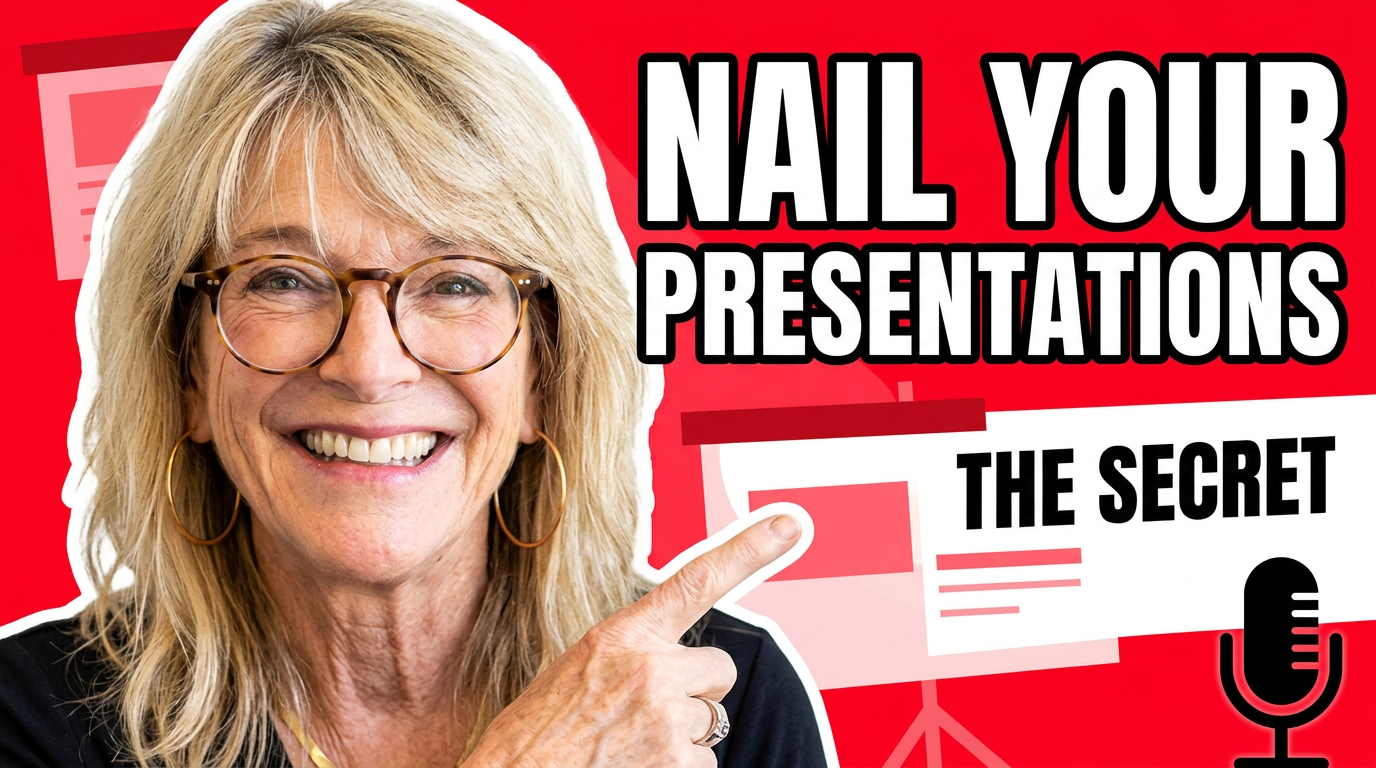
The most actionable public speaking tip in this entire conversation is the one Debbie saves for the end, and it is almost universally ignored. Practice out loud. Not reviewing notes mentally. Not clicking through slides in silence. Out loud, every time, from start to finish, before you stand in front of anyone.
The reason ums, ahs, stumbled transitions, and lost trains of thought happen in real presentations is that most people have never actually spoken the words aloud before the moment they are expected to deliver them. The path from thinking about a presentation to delivering one passes through your voice. There is no shortcut.
In practical terms: open a Zoom session, turn on the record function, and talk through the presentation alone from beginning to end. Then watch it back. You will hear exactly what is working and what is not. Filler words, missing transitions, sections where your energy drops, moments where you race through something you know well. Do it two or three more times. It will come out differently each time, which is fine. The goal is not memorization. It is familiarity with the shape of the presentation, confidence in the transitions, and the kind of muscle memory that only comes from actual repetition.
This connects directly to what Ben described about editing his own podcast episodes. Listening back to yourself critically, week after week, is the same feedback loop that separates presenters who improve from ones who plateau. Everyone who asks Debbie how to improve public speaking skills, whether they are a first-time presenter or a seasoned executive, tends to need the same answer: stop preparing silently and start practicing out loud.
What Nailing a Presentation Actually Means
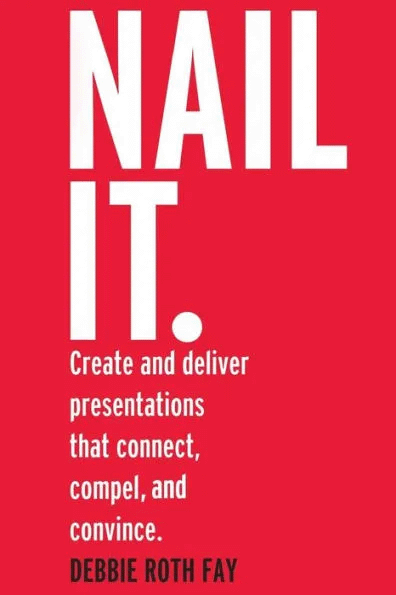
The title of Debbie’s book naturally prompts the question: what does nailing a presentation actually mean? Her answer is outcome-specific rather than performance-based. In a sales pitch, nailing it means getting to the next meeting. In a board presentation, it means getting unanimous approval or a room full of nodding heads. In a team motivation session, it means people committing to the action you are asking for. In the GED English class she once taught, it meant getting every student to raise their hand and pledge to read for 20 minutes a day, knowing full well not all of them would do it every day but confident the pledge would move the needle.
Nailing a presentation is not delivering a flawless performance. It is getting the result you set out to get before you started building the deck. You can get Debbie’s book Nail It on Amazon here.
Frequently Asked Questions: Presentation Tips and How to Improve Public Speaking Skills
How do you get rid of ums and ahs when speaking?
Debbie’s first point: occasional filler words are not a problem. Audiences are forgiving, and everyone uses them in natural conversation. They become a problem when they are so frequent they distract from the message. The cure is awareness and practice. Start by listening to yourself, whether through recordings of your own presentations or simply by paying attention as words leave your mouth. Then practice out loud repeatedly until the filler words are replaced by the natural pauses that confident speakers use to let a point land.
Should I memorize my presentation?
No. Debbie is not a fan of scripts or memorization for most presentations. The goal of practicing out loud is not to memorize a fixed sequence of words but to build familiarity with the structure, the transitions, and the key points well enough that you can deliver them naturally. Scripted presenters tend to sound flat and robotic, and when something interrupts the sequence, they lose their place entirely. Practice the shape of the presentation, not a script.
What should I do with my hands during a presentation?
Whatever you do naturally in an animated conversation with people you are comfortable with. If you use your hands when you talk with friends, use them when you present. If you do not, do not force it. Coached gestures that do not feel natural will read as inauthentic, and the moment your audience senses inauthenticity, your credibility takes a hit. The one thing to avoid: mechanical, repeated gestures that look like you are directing air traffic. Natural movement is the goal, whatever natural looks like for you.
Free 45-Minute Consultation with Debbie Fay
Debbie is offering DissedMedia: A Startup Story listeners a free 45-minute consultation, an offer she does not typically extend publicly. Whether you are a nervous speaker looking for tools to manage your public speaking anxiety, an experienced presenter whose message is not producing the results you want, or a founder pitching investors without traction, this consultation is worth taking. Visit bespeakpresentations.com to connect. You can also reach her on LinkedIn by searching Debbie Fay, or email her directly through the website with any presentation question that did not get answered in this episode.
For more presentation tips, communication skills, and confidence-building frameworks for leaders, see our conversations with Dr. Andy Neillie on personal development for leaders in Episode 68 and Rich Ashton on developing confident managers in Episode 66.
Episode 69 is available now wherever you listen to podcasts. Watch the full conversation on the DissedMedia YouTube channel at @DissedMedia and subscribe to help us reach 100,000 subscribers by the end of 2026.