

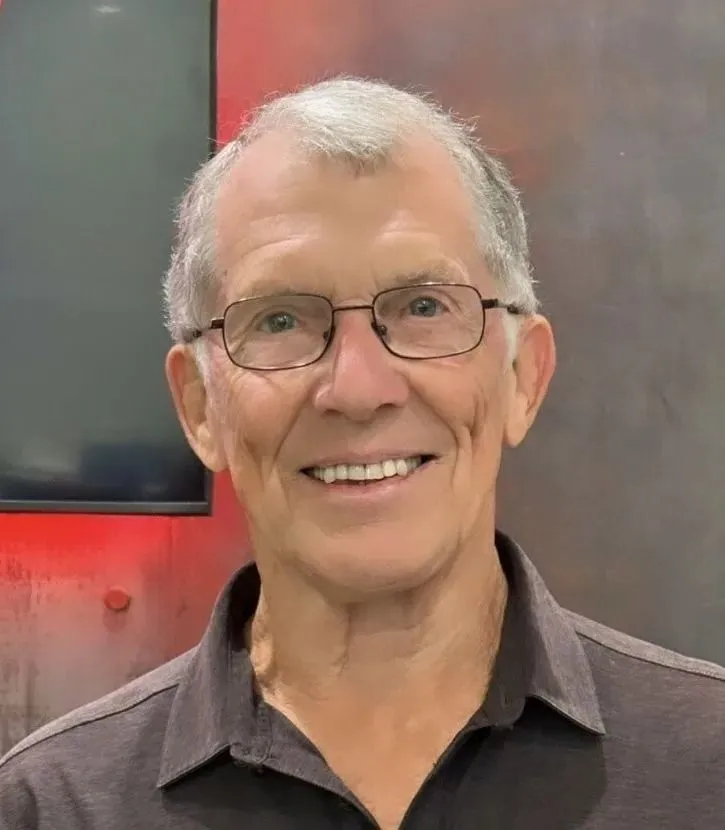
leadership skills are not something most great workers develop automatically when they get promoted. The technical expert who always hit their numbers, the top technician everyone trusted, the employee who could do the job better than anyone else on the team: none of that prepares a person to lead other people. Rich Ashton knows this better than most. After 40 years running companies, including a nearly bankrupt HVAC business he purchased in 1988 and turned into a thriving operation, he discovered that the single biggest challenge in small business is not finding customers or managing cash flow. It is having the right leaders ready when you need them. In Episode 66 of DissedMedia: A Startup Story, Rich joined Ben Olmos to share the leadership development philosophy behind his program Growing Your Own Leadership and the leadership book of the same name.
Why Leadership Skills Do Not Come Automatically with a Promotion
The most common mistake small business owners make when building a management team is assuming their best workers will become their best leaders. Being great at a job and being great at leading people who do that job are two entirely different skill sets, and promoting without developing almost always ends the same way: the business loses a top performer and gains a struggling, frustrated new manager who was never given the tools to succeed.
Rich learned this firsthand running an HVAC company where the workforce was almost entirely blue-collar technicians. These were people who were exceptional at their craft and deeply resistant to anything that felt like a classroom. Traditional leadership training programs built around corporate frameworks did not land. He had to find a different way to develop leadership skills in employees who did not see themselves as leaders at all.
His solution was a blogging strategy. He asked his technicians to write short posts about what they were working on, what they learned, what went wrong, and what they would do differently. The exercise served three purposes at once: it built communication skills, it forced reflective thinking, and it quietly identified the people who had the capacity for proactive, analytical thought that good leadership requires. Some of the best leaders Rich developed came directly out of that blogging process, people who had never considered themselves leadership material and had no interest in sitting in a seminar room.
The Informal Leader: Your Greatest Untapped Leadership Asset
One of the most practical insights in this conversation is Rich’s concept of the informal leader. Every team has one. This is the person everyone quietly turns to after the official meeting ends: the coworker who gets asked for advice before anyone emails the manager, the technician who other techs follow because they respect them rather than because the org chart says to. Most small business owners walk right past this person when they are thinking about who to develop next.
Rich argues this is exactly backwards. The informal leader already has the credibility, the peer trust, and the natural influence that first time managers so often struggle to build from scratch. What they typically lack is the formal framework, the communication tools, and the accountability structures that transform that natural influence into effective management. When you identify the informal leader early and invest in their leadership development, you accelerate the whole process because you are building on a foundation that already exists.

Why the Authoritarian Leadership Style Hits a Wall
Rich spent years leading in a command-and-control style before he recognized its ceiling. The authoritarian approach works up to a point, particularly in environments where speed and compliance matter more than creativity or buy-in. But it scales poorly. When a leader who rules by authority is not in the room, work slows or stops. When they leave the business, the culture they built often collapses behind them because it was built on their presence rather than on shared principles.
The leadership coaching shift Rich made was toward developing leaders who could operate independently, make good decisions without being told to, and hold themselves and each other accountable without needing constant supervision. That transition requires a different kind of investment: not just telling people what to do but teaching them how to think, how to communicate, and how to take ownership of outcomes. This connects directly to what Ben has written about in his own book on management and leadership: the difference between managing tasks and developing people is the difference between a business that runs on you and a business that runs without you. For a deeper dive on that distinction, see our earlier conversation with David Salerno on building a company that does not need you to survive.
The Four Pillars of Rich Ashton’s Leadership Development Framework
The Growing Your Own Leadership program and the book it is built around are organized around four core pillars that Rich identified across four decades of running teams and coaching small business owners on employee development.
Communication is the foundation. Leaders who cannot communicate clearly, consistently, and with genuine intent to be understood will fail at everything else regardless of how capable they are in other areas. Rich emphasizes that communication is not just about speaking. It is about creating the conditions where people feel safe enough to tell you the truth, surface problems before they become crises, and ask for help without fear.
Accountability is the second pillar and the one most first time managers struggle with immediately. Holding other people accountable requires clarity about expectations, consistency in follow-through, and the courage to have uncomfortable conversations. Most new managers default to avoidance because accountability in leadership feels personal, particularly when they are managing people they used to work alongside as peers. Rich’s program gives new managers the language and the frameworks to make accountability feel structural rather than personal.
Proactive thinking is what separates reactive managers from genuine leaders. The reactive manager responds to what is already happening. The proactive leader is looking around corners, anticipating problems before they arrive, and preparing their team for conditions that have not yet materialized. This is a habit of mind that can be developed, but it requires deliberate practice and a leadership culture that rewards it.
The relentless pursuit of knowledge is the fourth pillar, and the one that tends to separate leaders who plateau from leaders who keep growing. Rich is explicit that leadership development is not a training event you attend once. It is a continuous practice, which is exactly why he called his program and his book Growing Your Own: the verb is intentional. Growth does not have a finish line.
Growing Your Own: The Leadership Book Built for Small Business
Rich’s book, Growing Your Own, is built specifically for small business owners and operators who cannot afford to wait for great leaders to show up from the outside. The book translates the four pillars of his Growing Your Own Leadership program into a practical framework that owners can apply immediately, whether they are developing a first time manager or working to level up an experienced team leader who has hit a ceiling.
The core argument of the book mirrors the argument Rich makes in this episode: leadership development is not a luxury for small businesses. It is a survival skill. Small businesses operate with thin margins, small teams, and almost no redundancy. When a key leader fails, leaves, or never develops, the impact on the business is immediate and significant. The only reliable solution is to build leaders from within, intentionally and consistently, before you desperately need them. You can get a copy of Growing Your Own on Amazon here.

What Great Leadership Really Means: You Do Not Get to Decide
One of the most memorable lines from this conversation is Rich’s answer to the question of what makes someone a great leader. It is not something you get to decide for yourself. The people who follow you make that call. You can hold a title, carry a job description, and issue directives from a position of authority, and none of that makes you a leader in any meaningful sense if the people around you are not genuinely willing to follow.
That framing reorients the whole conversation around leadership skills. Developing leadership skills is not primarily about acquiring techniques or frameworks. It is about becoming someone people trust, want to follow, and will tell the truth to. The best management training in the world cannot substitute for that. But the right leadership coaching, applied consistently over time, can build the habits of thought, communication, and accountability that make that kind of trust possible.

Frequently Asked Questions: Leadership Development for Small Business
How do you develop leadership skills in employees?
Rich Ashton’s approach starts with identifying the informal leaders already present in your team, the people peers turn to naturally. Then it involves giving those people low-stakes opportunities to practice communication, accountability, and proactive thinking before they are formally promoted. The blogging strategy he used with his HVAC technicians is one example: small, consistent writing exercises that build reflective thinking and surface leadership capacity in people who would never attend a traditional leadership training program.
What is the biggest mistake small business owners make with new managers?
Promoting great workers without providing leadership development support. Technical excellence and people leadership are different skill sets. Without intentional management training and ongoing coaching, new managers default to the leadership styles they experienced, which is often authoritarian or avoidant, rather than developing the communication and accountability habits that actually build high-performing teams.
How do you create a leadership development program for a small business?
Start by identifying your informal leaders. Build in regular reflection practices, even something as simple as short written check-ins. Create clear frameworks for communication and accountability so that expectations are explicit rather than assumed. And make it continuous: leadership development is not a one-time training event. It is an ongoing practice that grows with the person and the business. Rich’s book Growing Your Own is a practical starting point for building that system.
Where to Find Rich Ashton
Rich Ashton can be reached at growingyourown.net or directly at rich@growingyourown.net. He is also active on LinkedIn with regular short-form leadership content. His book Growing Your Own is available on Amazon here.
Episode 66 is available now wherever you listen to podcasts and on the DissedMedia YouTube channel at @DissedMedia. If this episode added value, subscribe and help us reach 100,000 subscribers by the end of 2026.