

So, you’ve just completed a job interview, and now comes the waiting game. But instead of passively waiting, one of the best ways to maintain a strong connection with the hiring team is by sending a follow-up interview email. Not only does this reinforce your interest in the role, but it also helps you stay top of mind as the company makes its decision.
The following are some tips to help guide you through writing an effective follow-up interview email, including best practices, what to include, and common mistakes to avoid. Whether you’ve just had an initial phone screen or a final in-person interview, a well-timed follow-up can make a difference.
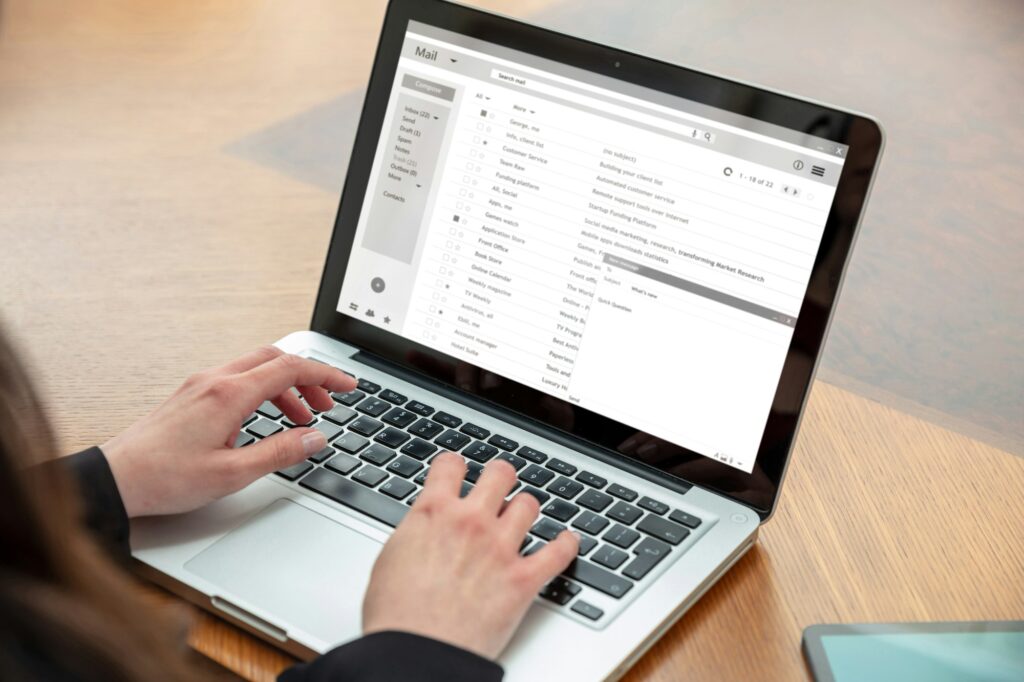
Why Sending a Follow-Up Interview Email Matters
Sending a follow-up interview email is more than just a polite gesture. It’s an opportunity to remind the hiring manager of your enthusiasm for the role, address any points you may have missed during the interview, and leave a lasting impression.
Many candidates skip this step, either because they think it’s unnecessary or they’re unsure how to write one. However, hiring managers often appreciate candidates who follow up because it shows professionalism, attention to detail, and genuine interest in the position. There are some key elements to consider when crafting a follow-up interview email that can help set you apart from other candidates.
1. Timing Is Key: When to Send the Follow-Up Interview Email
Timing plays a crucial role in sending a follow-up interview email. The ideal time to send a follow-up is within 24 to 48 hours after the interview. This window allows you to express your gratitude while the conversation is still fresh in the hiring manager’s mind.
Sending an email too soon can seem rushed or insincere, while waiting too long might make you seem disinterested. A follow-up sent within the right time frame can reinforce your enthusiasm without being overbearing.
2. Keep It Short and Professional
The follow-up interview email should be concise and to the point. You want to express gratitude, reinforce your interest, and briefly recap any highlights of the interview. Avoid turning the email into an essay; the goal is to remind the interviewer of your qualifications while respecting their time.
Here’s a simple structure to follow:
- Subject Line: Be clear and concise. Something like “Thank You for the Interview – [Your Name]” works well.
- Opening: Begin with a polite greeting and mention your appreciation for the opportunity.
- Body: Reiterate your interest in the role, highlight any key points from the interview, and clarify anything that might need further explanation.
- Closing: Close with a thank you and a positive statement about next steps.
3. Example of a Follow-Up Interview Email
Here’s an example of what a professional follow-up interview email might look like:
Subject: Thank You for the Interview – [Your Name]
Dear [Interviewer’s Name],
I hope you’re doing well. I wanted to take a moment to thank you for the opportunity to interview for the [Job Title] position at [Company Name] yesterday. I truly enjoyed learning more about the team and the exciting work happening at your company.
Our discussion about [specific aspect of the role or company] further reinforced my enthusiasm for this opportunity, and I am confident that my skills in [specific skill] would make me a strong fit for your team. Please let me know if you need any additional information or references.
Thank you again for your time and consideration. I look forward to hearing about the next steps in the process.
Best regards,
[Your Full Name]
[Your Contact Information]
[LinkedIn Profile or Portfolio Link, if applicable]
This email example is straightforward, respectful, and professional while conveying your interest in the role. Remember to personalize it based on your conversation and any unique takeaways from the interview.
4. Personalize Your Email for Each Interviewer
If you were interviewed by multiple people, it’s courteous to send each of them a personalized follow-up email. While the core message can be the same, tailor each email by referencing specific points you discussed with each interviewer.
For example, if you had a technical interview with one person and a more culture-focused conversation with another, your follow-up emails should reflect those differences. Personalization shows that you were fully engaged and that you value each interviewer’s time and perspective.

5. Address Any Gaps or Clarifications
The follow-up interview email is an excellent opportunity to address any points you may have forgotten or areas where you feel you could have provided more clarity. Did you forget to mention a relevant project or qualification? Use this email to briefly bring it up without dwelling on it too much.
Example:
During our discussion, I realized that I didn’t mention my experience with [relevant tool or process], which I believe is highly relevant to the [job requirement]. I would be happy to elaborate on this if needed.
This approach lets you reinforce your qualifications without making the email too lengthy.
6. Mistakes to Avoid in a Follow-Up Interview Email
While sending a follow-up interview email is important, it’s equally critical to avoid certain missteps that could undermine your professionalism.
1. Being Too Pushy: Asking for updates immediately after the interview can come across as overly eager or impatient. Respect the employer’s timeline and trust the process.
2. Lengthy Emails: Keep your email concise. Hiring managers are busy and appreciate when candidates can make their points without unnecessary fluff.
3. Overly Casual Language: Even if you had a relaxed and friendly interview, maintain a professional tone in your follow-up email. Avoid using slang or overly familiar language.
4. Failing to Proofread: Spelling and grammar mistakes in a follow-up email can leave a bad impression. Take a few extra minutes to proofread your message and ensure it’s error-free.
7. Should You Follow Up Again if You Don’t Hear Back?
If you don’t receive a response to your follow-up interview email, it’s generally acceptable to send a polite follow-up one week later. Use this email to reiterate your interest and gently ask if there are any updates regarding the position.
Here’s an example of a second follow-up email:
Subject: Follow-Up on [Job Title] Interview
Dear [Interviewer’s Name],
I hope this message finds you well. I wanted to check in regarding the status of the [Job Title] position. I’m still very excited about the opportunity to join [Company Name], and I wanted to reiterate my enthusiasm for the role. Please let me know if there are any updates on the next steps in the hiring process.
Thank you again for your time, and I look forward to hearing from you.
Best regards,
[Your Full Name]
Remember, while it’s acceptable to follow up, avoid excessive emails or messages, as it could come across as pushy or desperate.
Hitting Send
Sending a follow-up interview email can be a critical part of the job interview process. It’s a chance to show professionalism, reinforce your interest, and leave a lasting impression on the hiring team. By following the tips, you can craft a follow-up email that not only keeps you top of mind but also enhances your chances of landing the job.
The key is to strike a balance between enthusiasm and professionalism, ensuring your follow-up is polite, timely, and thoughtful. So, next time you complete an interview, don’t forget to send that follow-up interview email, it might just be the extra step that sets you apart from the competition.