
Podcast monetization works best when you treat the show as a real business from the very first episode, selling experiences and services instead of waiting on download numbers and ad rates. That is the central message Adam Torres brings to this episode of DissedMedia: A Startup Story. Adam has recorded thousands of interviews, hosts 15 shows, and built a media company on the belief that a podcast can generate revenue through events, publishing, PR, and paid guest experiences long before it has a large audience. In this conversation with host Ben Olmos, he explains how to make money podcasting from day one and why conviction matters more than chart position.
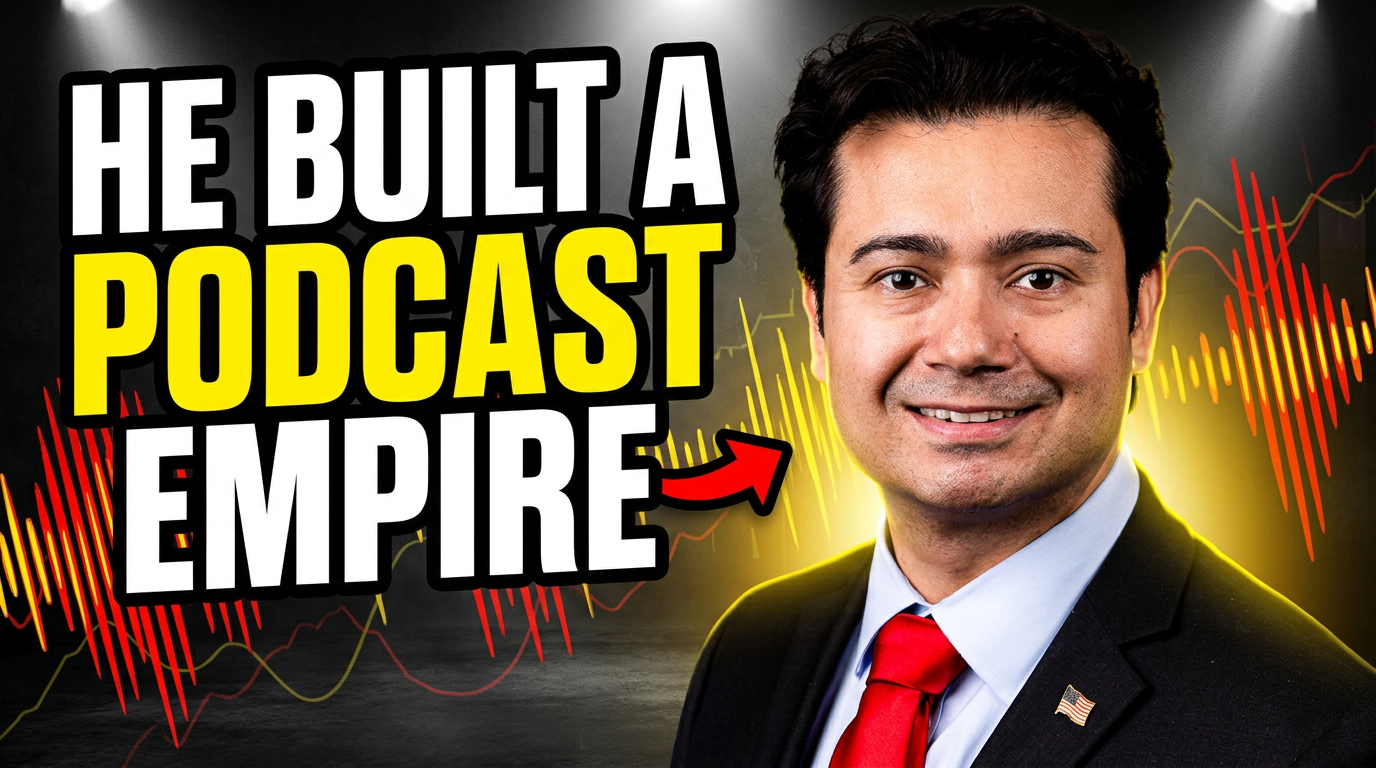
Why Podcast Monetization Should Start on Day One
Adam’s strongest argument is that podcast monetization belongs at the front of the plan, not the end. When a show has no revenue model, it quietly becomes a loss leader that drains time and energy until the host walks away. He compares it to the guitars he keeps buying with the promise that this will finally be the year he learns to play. The lessons stall because nothing keeps him accountable. A podcast is the same. If a host has a paying reason to show up every week and a clear payoff waiting at the end of the month, the odds of staying in the game climb dramatically.
His personal benchmark was never audio quality or a polished edit. It was a single question: what would someone pay him for? Adam is candid that his first 300 episodes were recorded on a cell phone and never edited, and he did not shoot video until well past his 1,500th interview. He kept going because he was building relationships and offers, and the revenue followed the value he created. He frames it like real estate. If a property does not earn from the beginning, there is no way to buy the next one. That mindset is what separates a hobby that fades from a media asset that compounds.
Ben and Adam agree on one thing about the labor-of-love framing. Loving the work is a real reason to start, and it is also the reason so many shows quietly end. A creator can pour months into production, chase the perfect edit, and still burn out because nothing about the show pays them back. Building podcast monetization into the plan early is how you protect the passion, because money in the tank is what lets you keep showing up long enough to get good.
From Finance Screens to a Media Company
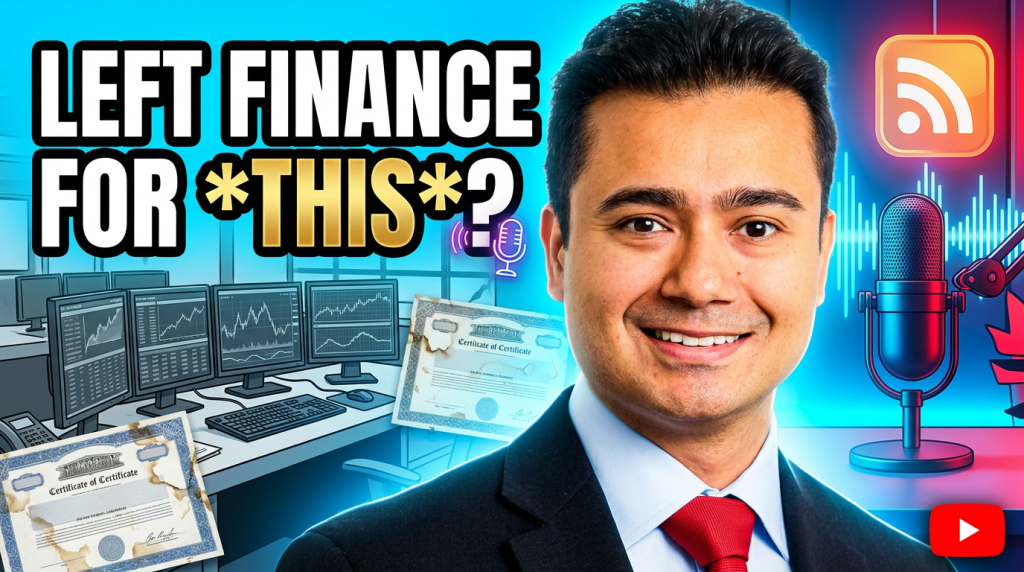
Adam spent almost 14 years in finance, starting at 16 and eventually becoming a certified financial planner buried in trading screens and spreadsheets. He describes himself back then as entirely left brain, someone who did not understand the point of telling a story. His first book, written reluctantly at a mentor’s insistence, was about money and titled to match. That book opened doors he never expected, including speaking tours as far away as China, and it planted the seed that there was a much bigger world beyond his three office monitors.
The turning point came in a way he still calls dramatic. The night he moved into a new place, he left his finance certificates unhung and asked for a clear sign about which business to pursue. He woke to find the room flooded from a failed water heater, his framed credentials ruined on the floor. He took a photo of them in the trash so he would never doubt the decision, then committed fully to media and storytelling. The company grew from a small marketing side project into a publishing operation that has produced hundreds of authors through an anthology model inspired by the old Chicken Soup for the Soul series.

How to Make Money Podcasting Beyond Downloads and CPM
The practical heart of the episode is Adam’s refusal to tie income to CPM. He tells the story of a host in Kenya who asked how to monetize his new show. Adam’s advice was simple: print flyers, knock on a thousand local business doors, and offer a paid guest spot. Revenue shows up the same day the work does. Most creators overcomplicate this by assuming every dollar must flow through advertising and downloads, and that assumption keeps them waiting for a payday that may never arrive.
Instead, Adam sells experiences. His profit centers include book publishing, PR campaigns, in-person events, and packages that pair a guest appearance with a press release and additional marketing. His company runs roughly 90 events a year. He points to a CPG Convergence Conference where executives from major grocery brands are interviewed on stage, tickets run in the low hundreds, and vendor booths sell for a couple thousand dollars each. That is a live podcast with a business model attached. This approach mirrors what other creators explore when they use authority marketing through podcasting to win clients before a first sales call.
The lesson for anyone building a show is to look past the ad model and ask what value you can package and sell right now. A single sponsor deal might take months of audience growth to land. A paid guest experience, a workshop, a published book, or a live event can generate income this week. Adam is proof that a host can build a thriving media company without ever leaning on a large download count.
Why the Podcast Business Is Still in Its Infancy
Adam pushes back hard on the idea that podcasting is saturated. He researched the number to test his own thesis and found only about four million podcasts in a world of billions of people. Measured against demand, that is almost nothing. There is a large and growing appetite for people willing to host, to ask good questions, and to give others a place to tell their story, and very few people are actually doing the work.
That gap is the opportunity. Anyone starting a show today is arriving early in the medium’s life, and the demand for quality hosts keeps outpacing supply. Adam argues that the longer a host stays consistent, the more the odds compound in their favor, which is exactly why a durable revenue model matters so much. A show that pays for itself is a show that survives long enough to benefit from that momentum.
Dynamic Advertising and the Shift in Podcast Revenue
Adam offers a clear explanation of why podcast revenue historically lagged behind platforms like YouTube. For most of the medium’s life, starting a podcast was like launching your own radio station. There was no central platform selling ads on your behalf, so you sold everything yourself, and a host-read ad typically paid one time. Older episodes stopped earning the moment they aired, which capped how much a back catalog could ever be worth.
Dynamic advertising changed that. Ads can now be inserted across a back catalog, and that model has grown to make up the large majority of podcast advertising revenue. Combined with the way media compounds, where new content pulls listeners back into older episodes, this shift means a catalog can keep earning for years. For creators thinking about the economics of the whole operation, it pairs well with the lessons in building a media brand from scratch for around $2,500 a year.
Owning Your Audience and the RSS Feed
Adam shares a wake-up moment about platform control. After a decade of clean, on-brand work and thousands of videos, he received his first community violation simply for hosting a guest whose name alone triggered a flag. The experience taught him that YouTube owns the channel, and the creator only borrows the reach. Ben has run into the same throttling when episodes so much as mentioned policy topics, even in passing.
The takeaway for both hosts is to diversify. An RSS feed remains one of the few distribution channels a creator genuinely controls, and spreading content across Substack, a personal publication, and other platforms reduces the risk of any single gatekeeper cutting off an audience. Owning your distribution is a core part of protecting the revenue you work so hard to build.
The Human Side of Podcast Monetization
For all the business talk, Adam is clear that the work carries real human weight. He recorded an interview with a founder on a Thursday whose husband and co-founder passed away that Saturday, making that conversation a lasting piece of the family’s memory. He brought his own mother onto episodes before she was killed in a tornado during Hurricane Milton, and those recordings now let him hear her voice and her story whenever he needs to.
He even makes a mental-health case for the medium. A host who keeps a show running into old age holds onto a reason to connect with interesting people every single week, exactly when many people begin to withdraw from the world. Podcast monetization is what keeps the lights on so a creator can stay in the game long enough for that kind of meaning to accumulate. The money and the mission reinforce each other rather than competing.
Building Your Own Podcast Monetization Strategy
The blueprint Adam lays out is repeatable. Decide from the start what people will pay you for, whether that is publishing, events, PR, coaching, or premium guest experiences. Package those offers so buyers can say yes easily. Diversify across platforms so no single algorithm controls your reach. Then commit for the long haul, because consistency is what turns a back catalog into a compounding asset.
Treat the show as a serious practice rather than something you dabble in, and give it the same discipline you would give any real business. That combination of conviction, a clear offer, and staying power is the foundation of a podcast monetization strategy that can actually support a creator over time. Adam’s story is a reminder that the size of the audience matters far less than the strength of the value you deliver to the people already listening.
Frequently Asked Questions
How do you monetize a podcast?
You monetize a podcast by selling products and services around it rather than waiting on download-based ad revenue. Common paths include paid guest experiences, live events, book publishing, PR packages, coaching, and sponsorships. Adam Torres recommends deciding what people will pay you for on day one so the show funds itself early instead of becoming a loss leader.
How many downloads do you need to monetize a podcast?
You do not need a specific download count to start earning. Download thresholds mostly apply to advertising-based revenue. If you sell experiences, guest packages, events, or publishing services, you can generate revenue with a small audience, sometimes from your very first episodes.
How long does it take to monetize a podcast?
It can take one day if you sell services directly instead of waiting on ad networks. Adam’s example of knocking on local business doors shows revenue arriving the same week a show launches. Advertising income usually takes longer because it depends on audience size and consistent downloads over time.
Can you make money podcasting without sponsors?
Yes. Sponsors are only one revenue stream. Many creators earn more from events, publishing, PR, paid guest appearances, and premium offers than from advertising. Adam built his entire media company around selling experiences rather than relying on sponsorships or CPM.
Connect With Adam Torres
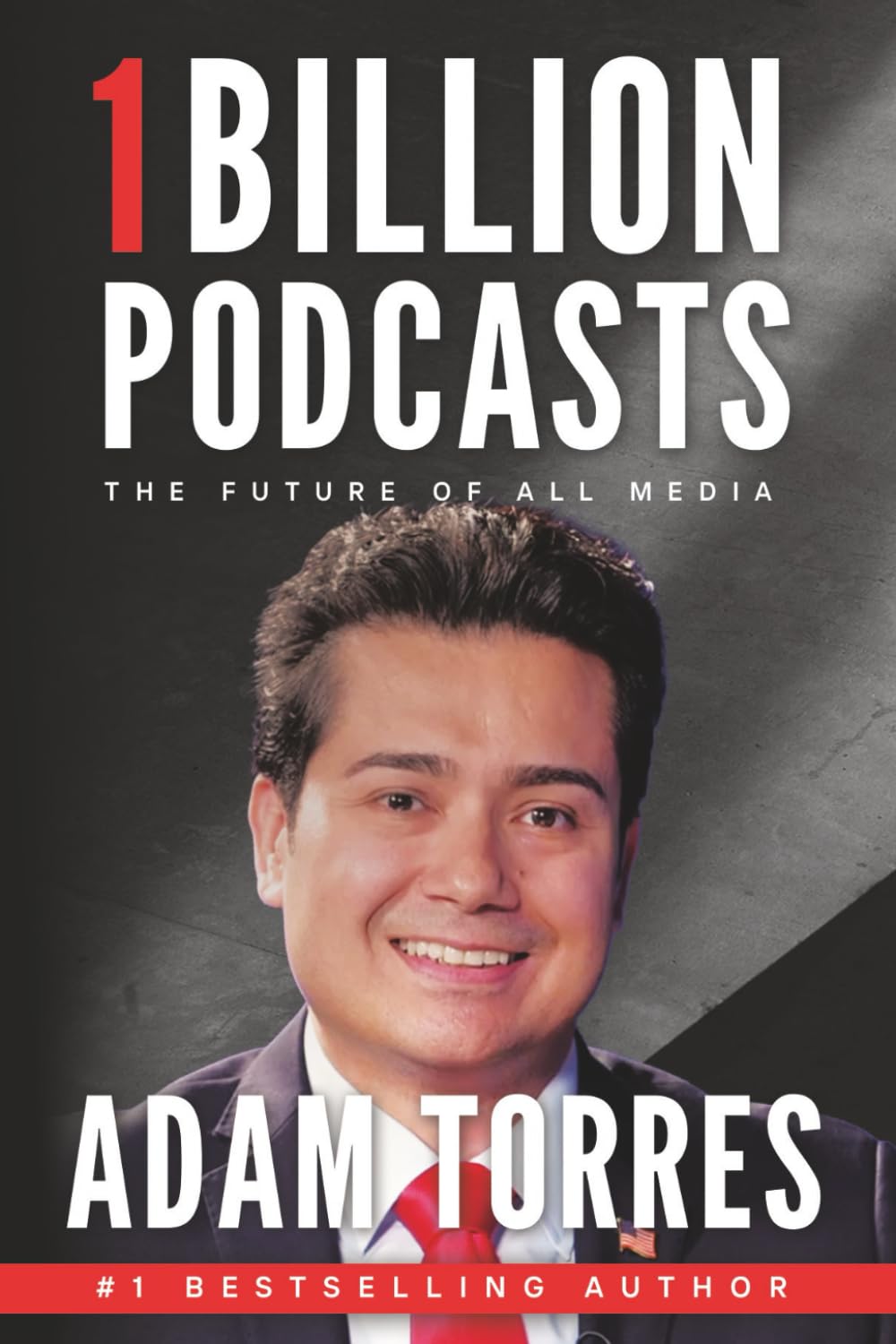
Connect with Adam Torres on Instagram at @AskAdamTorres, where a Linktree points to his shows and resources. His book One Billion Podcasts is available free at 1billionpodcasts.com and on YouTube, and you can learn more about his media company at Mission Matters.