

Yes, you can patent an idea, but only once it is developed enough to qualify as an invention. United States patent law draws a hard line here. An abstract concept, a wish, or a business goal cannot be patented, while a specific, described mechanism that accomplishes something new can be. The U.S. Patent and Trademark Office requires an application to describe the invention in enough detail that a person skilled in the field could build and use it, so the practical answer to can you patent an idea is that you can patent the invention your idea becomes once you put it on paper with real specificity. This guide answers the questions inventors actually ask, what qualifies, what it costs, how long protection lasts, what patent pending really means, and why the famous poor man’s patent is a myth that has cost inventors their rights.

Can You Patent an Idea or Only an Invention?
The legal test separates ideas from inventions using two concepts, patentable subject matter and enablement. Subject matter rules exclude laws of nature, natural phenomena, and abstract ideas. You cannot patent gravity, a mathematical formula, or the bare concept of matching drivers with riders. You can patent a specific, novel, non-obvious implementation, the particular system, device, or process that makes the concept work. Enablement is the second hurdle, and it is friendlier than most people expect. You do not need a prototype, a working model, or an engineering degree. A written description with drawings that would let a person skilled in the field build the invention is enough, which patent law treats as constructive reduction to practice.
A useful self-test before spending any money: If you can explain to a competent builder exactly how your invention works, what its parts are, and how they connect, the answer to can you patent an idea is yes for you. If you can only explain what it would be great if the product did, you still have an idea, and the next step is development rather than filing. Recipes and supplement blends usually fail a third hurdle, obviousness, because combining known ingredients that each do their expected job is rarely inventive enough to qualify.
How Much Does a Patent Cost?
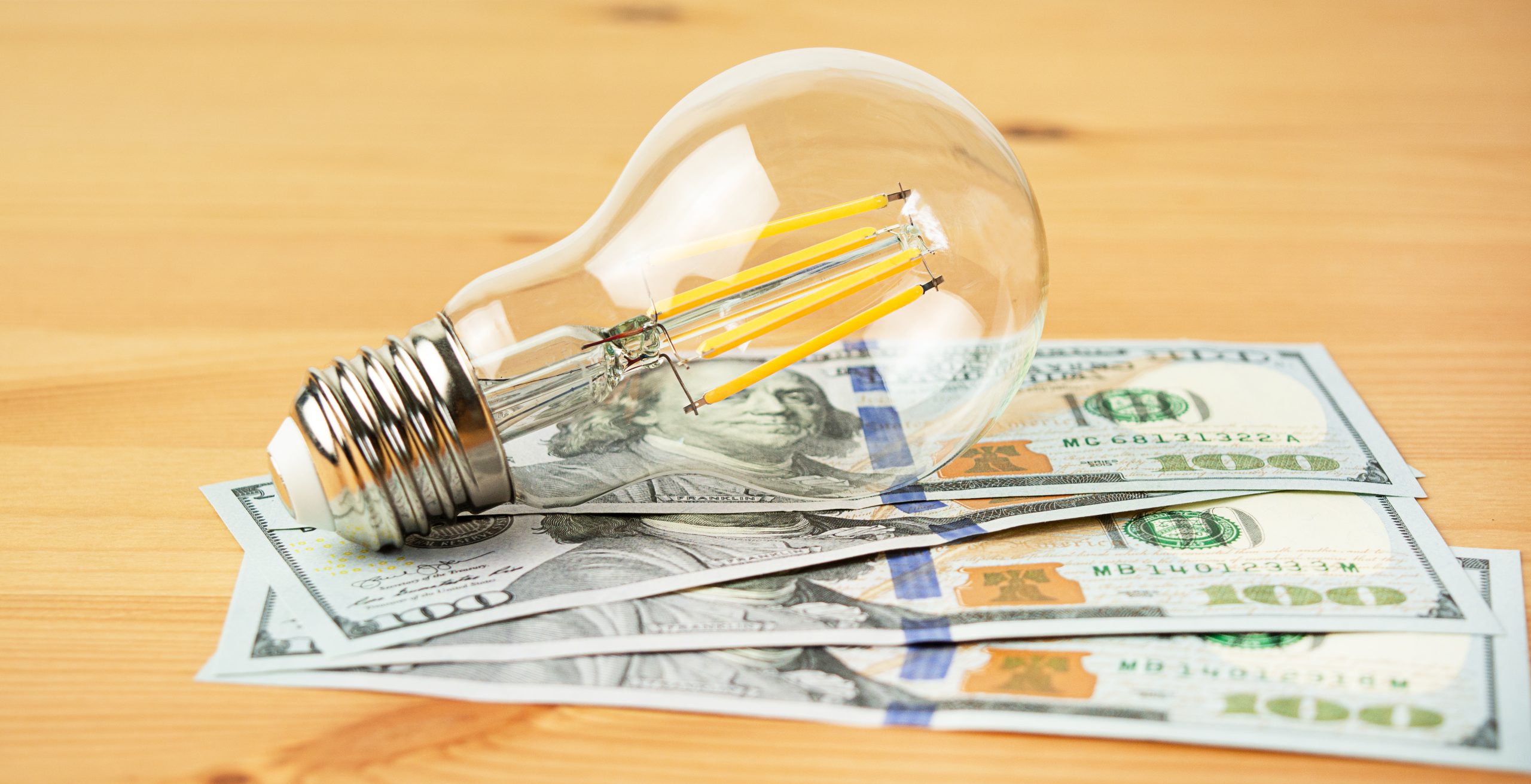
A typical attorney-prepared U.S. utility patent costs between $8,000 and $15,000 from filing through grant, and complex software, electronics, or biotech inventions frequently exceed $20,000. The total breaks into two very different buckets. USPTO government fees are the small bucket, scaled by entity size, with micro entities paying roughly one quarter of the standard rate and small entities roughly half, which puts initial filing, search, and examination fees in the hundreds of dollars for most independent inventors. Attorney drafting and prosecution fees are the large bucket, because claim drafting is where patents are won or lost years later.
Budget past the grant date too. U.S. utility patents require escalating maintenance fees at roughly 3.5, 7.5, and 11.5 years after issue, and missing one lets the patent lapse into the public domain. The scale of this market is worth appreciating. The USPTO granted close to 160,000 patents to American inventors in 2023 alone, with California accounting for roughly 50,000 of them, and behind nearly every one sits a multi-thousand-dollar investment that only pays off when a real product or licensing strategy stands behind it.
How Long Does a Patent Last and Do Patents Expire?
A U.S. utility patent lasts 20 years from its earliest effective filing date, and a design patent lasts 15 years from grant. Every patent expires, because expiration is the entire bargain of the system. The government grants a limited monopoly in exchange for a complete public explanation of how the invention works, and when the term ends, anyone may use it freely. Expired patents reshape whole industries. The consumer 3D printing boom took off after foundational fused deposition modeling patents expired in 2009, and the generic drug market exists entirely because pharmaceutical patents run out on schedule.
Two adjustments can stretch the term. Patent term adjustment adds days to compensate for delays caused by the patent office itself, which matters because first examination commonly takes two to three years. Patent term extension can add time for products like drugs that lose market years to regulatory review. Neither changes the core rule. Protection is temporary by design, which is also why some companies famously skip patents entirely and protect formulas or processes as trade secrets that never expire as long as they stay secret.
What Does Patent Pending Mean?
Patent pending means a patent application is on file and awaiting examination. It grants no enforceable rights, so you cannot sue an infringer while an application is merely pending. Its value is strategic and real. The marking warns competitors that exclusive rights may issue, it documents your place in line under the first-to-file system, and after a utility application publishes, the law preserves a potential claim to back royalties for the pending period if the patent later grants with substantially similar claims. The marking is also regulated. Stamping patent pending on a product with no live application on file is false marking and carries federal penalties.
For anyone wondering can you patent an idea and still talk about it publicly, patent pending is the milestone that flips the answer. Before filing, public disclosure starts a one-year countdown in the United States and can instantly destroy rights in most other countries, which offer no grace period at all. After filing, you can pitch investors, demo at trade shows, and launch crowdfunding with your filing date secured.
The Poor Man’s Patent: Why Mailing Yourself Your Idea Does Nothing
The poor man’s patent is the long-running myth that mailing yourself a sealed, postmarked envelope describing your invention creates legal protection. It does not. Since the America Invents Act took effect in March 2013, the United States awards patents to the first inventor to file an application, so evidence that you thought of something first carries almost no legal weight if someone else files first. A sealed envelope grants no rights, blocks no competitor, and has essentially no value in a modern patent dispute.
The myth survives because it feels like protection while costing a postage stamp. The legitimate version of the same instinct is the provisional application described below, which costs little and accomplishes what the envelope pretends to, an official government timestamp on your invention. Document privately, file early, and skip the envelope.
What Is a Provisional Patent Application?
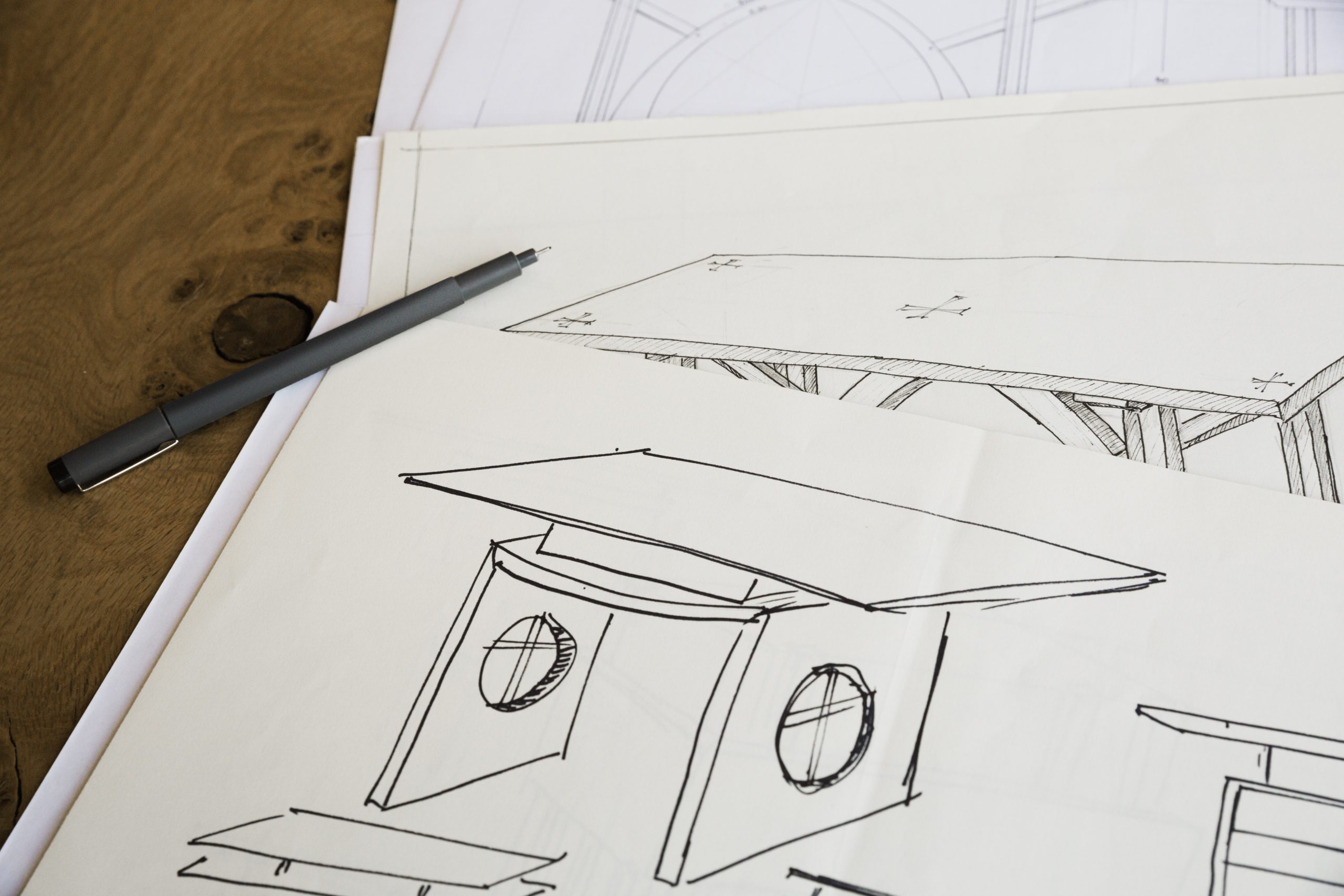
A provisional patent application is a lower-cost, informal filing that locks in a filing date for 12 months without starting examination. It is never examined and never becomes a patent on its own. Within the year, you must file a full utility application claiming the provisional’s date, or the placeholder simply expires. For early-stage founders, the provisional solves the timing trap that runs through this whole topic. It lets you mark products patent pending, speak openly to investors and customers, and test demand while preserving your position in the first-to-file line, all for government fees in the low hundreds of dollars.
The caveat is coverage. A provisional protects only what it actually describes, so a one-page sketch can create false confidence while leaving the valuable details exposed. Treat the provisional as a serious technical document rather than a formality. This is the same category of unglamorous early paperwork where young companies most often hurt themselves, a pattern we have covered before in our conversation on small business legal protection and the mistakes that kill businesses.
Where to Go Deeper
The legal facts in this guide reflect U.S. patent law and USPTO practice, and they come to life in the stories practitioners tell. Patent attorney Austin Bonderer, a former USPTO examiner who has helped secure more than 700 U.S. patents, joined our show to walk through how inventors win and lose protection in the real world, including NDAs that actually bind and international filing strategy. You can read the companion piece, how to patent an idea and protect your startup, visit him at bondererpatents.com, and watch the full conversation at the bottom of this page.
Frequently Asked Questions
Can you patent an idea without a prototype?
Yes. No working model is required for ordinary inventions. The application must describe the invention thoroughly enough that a person skilled in the field could make and use it, and a detailed written description with drawings meets that standard. The patent office only demands physical proof for claims that contradict established science.
What cannot be patented?
Laws of nature, natural phenomena, abstract ideas, and mathematical formulas cannot be patented, and neither can artistic works, which belong to copyright, or brand names, which belong to trademark. Inventions that are obvious combinations of existing technology also fail. The application must claim a specific, novel, non-obvious implementation rather than a goal or concept.
Is a poor man’s patent legally valid?
No. Mailing yourself a sealed description of your invention creates no patent rights. The United States has used a first-inventor-to-file system since March 2013, so the official filing date at the patent office is what counts, and a postmarked envelope cannot substitute for it. A provisional patent application is the legitimate low-cost way to secure a date.
How much does it cost to patent an idea yourself?
Filing without an attorney, USPTO fees alone can run a few hundred dollars for a provisional and roughly $1,000 or more for a small-entity utility application through examination. The savings carry risk, because weakly drafted claims are the most common reason granted patents fail to stop competitors. Many inventors split the difference by self-filing a detailed provisional, then hiring an attorney for the utility application.
How long does patent approval take?
First examination commonly takes two to three years from filing, and the full process often runs longer depending on the technology and the number of office actions. When the delay is the patent office’s fault, patent term adjustment adds compensating time to the end of the patent’s life.