


Antitrust laws play a pivotal role in shaping the retail landscape, especially when it comes to mergers and acquisitions (M&A), which seem to be making headlines as of late. Recently the merger between JetBlue and Spirit Airlines was blocked due to antitrust concerns and the proposed merger between grocery giants Kroger and Albertsons is on hold as regulators are taking a closer look following a lawsuit by Washington state that claims the merger would further consolidate the grocery market and create higher costs, less choice, and more challenges for consumer goods companies with. fewer groceries to negotiate with. These developments underscore the importance of competition law, the integral role of the Federal Trade Commission (FTC), and their combined impact on consumers and the overall market.
What is the Meaning of Competition Law?
Competition law, or more commonly antitrust law, is designed to curb monopolistic tendencies and create more competition in the market. It functions as a regulatory framework, ensuring that businesses operate fairly and equally. This is important for stimulating innovation and growth because it prevents market dominance by a few at the expense of many. Some might recall the challenges experienced with cable television before satellite and streaming services, or in some ways the challenges some have with current technology companies like Apple, Google, Microsoft, and Facebook.
Antitrust law safeguards the interests of consumers by ensuring they have access to a diverse range of products and services at competitive prices and detours large corporations from engaging in practices that could unduly influence market dynamics, competition law maintains the balance necessary for a healthy economic environment. With competition laws in place, mergers and acquisitions are scrutinized more as regulators seek to understand how a merger may affect pricing strategies, potential collusions among competitors, and ensure that no single entity can unfairly tilt the market in its favor. Competition law helps to protect smaller businesses by providing them with the opportunity to compete and innovate within the market fairly without being shut out by more powerful entities that might control the market.
How Does the Law of Competition Work?
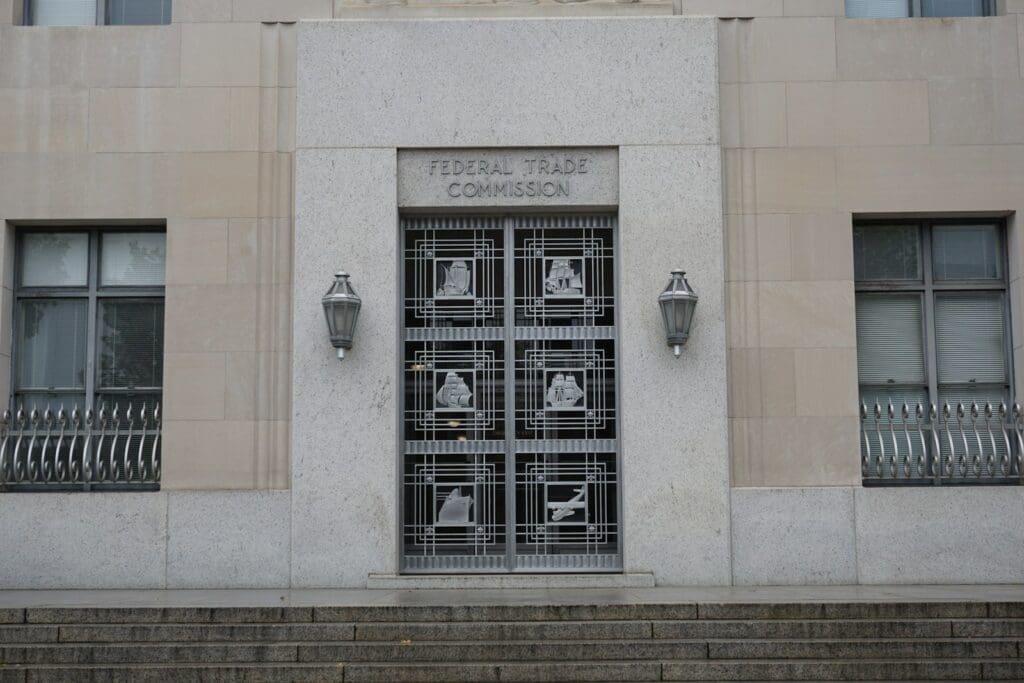
Antitrust law in the United States is regulated by agencies like the Federal Trade Commission (FTC). The FTC reviews business practices, mergers, and acquisitions to identify and prevent any form of anti-competitive behavior. The FTC uses a variety of tools and methodologies to assess whether a particular merger or business conduct could significantly reduce market competition. This includes evaluating market shares, examining barriers to entry for new competitors, and analyzing the potential effects on product quality, innovation, and consumer welfare. These investigations are designed to prevent market dominance as well as encourage companies to innovate and compete based on the quality, price, and efficiency of their products and services. At least that is the intent.
What Does the Federal Trade Commission Do?
The FTC’s primary mission is to prevent unfair methods of competition, as well as to shield consumers from deceptive and fraudulent business practices through the use of antitrust laws. This dual role makes the FTC a key guardian of both market fairness and consumer welfare. The FTC investigates business practices to identify and address anticompetitive behavior, such as price-fixing, monopolistic practices, and unlawful mergers that could significantly reduce market competition. They also focus on cracking down on things like false advertising, scams, and practices that mislead consumers and distort decision-making. By educating both businesses and consumers about their rights and responsibilities the FTC tries to prevent violations before they occur. While the FTC has some decisions in which they were praised by consumers, there are also times when they may not have gotten it right.
Examples Where the FTC Was Praised:
The Breakup of Standard Oil (1911):
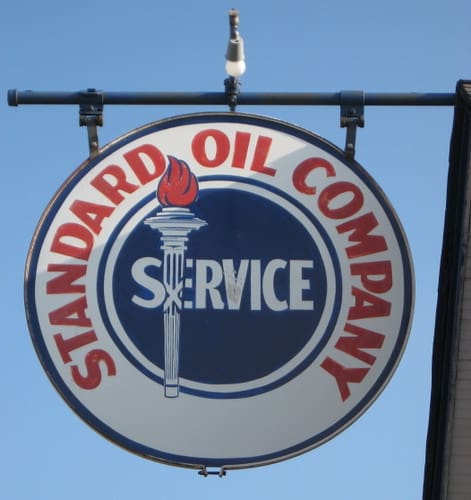
While this predates the formal establishment of the FTC in 1914, the actions against Standard Oil under antitrust laws, which the FTC now enforces, were seen as a significant win for competition law. The breakup of John D. Rockefeller’s Standard Oil into 34 companies for engaging in monopolistic practices is often cited as a landmark case in antitrust enforcement.
Action Against Deceptive Advertising:
The FTC has been successful in numerous cases against deceptive advertising practices. For example, actions against major companies for false health claims or misleading marketing practices have been seen as victories for consumer protection.
Preventing Anti-Competitive Mergers:
The FTC has successfully blocked or altered various mergers that it determined would have harmed competition. These actions are seen as crucial in maintaining market health and consumer choice.
Examples of Criticism or Controversial Decisions:
Google Antitrust Investigation (2013):
The FTC faced criticism for its handling of the antitrust investigation into Google. The commission decided not to bring major charges against Google, a decision that some critics viewed as a missed opportunity to address potential anti-competitive practices in the tech industry.

Facebook Acquisitions:
The FTC allowed Facebook’s acquisitions of Instagram and WhatsApp, decisions that later came under scrutiny. Critics argue that these approvals helped Facebook consolidate its position in social media and digital advertising, potentially stifling competition.

Alleged Inaction in Certain Areas:
The FTC has been criticized at times for what some perceive as inaction or insufficient action in certain sectors, particularly in rapidly evolving markets like technology, where the pace of change poses unique challenges to traditional regulatory approaches.
Kroger-Albertsons Merger: A Closer Look
While the deal between JetBlue and Spirit Airlines is no more, the proposed Kroger-Albertsons merger remains in play. This merger could position Kroger as the second-largest grocery retailer behind Walmart. On one hand, this merger promises to enhance Kroger’s market presence, potentially giving the company a stronger foothold in various regions and a broader customer base. Theoretically, a larger consolidated company would have greater negotiating leverage with suppliers, which could lead to more favorable procurement terms. This is particularly significant given the strength of Kroger and Albertsons’ private label brands, which have been key players in their success. However, there is uncertainty about whether this increased bargaining power will manifest in tangible benefits such as lower costs for consumers, or simply boost profit margins for the company.
There are also concerns about the potential downsides of this merger. A significant worry is that the consolidation would result in substantial layoffs, as overlapping roles within the merged entity become redundant. This not only affects employees but can also have wider economic impacts in communities where these stores operate. With fewer players in the market, competitive pressure is lower and could result in strategic decisions to limit focus on prices, service, and product quality. There is real potential that the consolidation could the impact smaller suppliers, particularly in sectors like produce, dairy, and meat could have. Larger companies often have the capacity to source products at lower costs, from broader regions, potentially squeezing out smaller, local businesses and limiting the market entry of new and emerging consumer product goods brands.
As the lawsuit in Washington state contends, who truly benefits from the merger. For the companies and shareholders, the benefits are apparent – increased market share, greater efficiency, and potentially higher profits. However, whether these corporate gains translate to consumer benefits is less clear. Though company leaders have stated the combined companies would expand competition, lower protect union jobs and improve the customer experience, Washington states believes there is a possibility that the increased market power could lead to higher prices and reduced options for consumers.
Balancing Corporate Growth and Market Fairness
Mergers and acquisitions for companies in any industry can be complex. The proposed Kroger-Albertsons union, alongside the blocked JetBlue-Spirit Airlines merger, sharply underscores the crucial role of antitrust laws and regulatory oversight. These cases highlight the balance regulators like the FTC must strike between corporate growth and market fairness. While the Kroger-Albertsons merger promises operational efficiencies it also raises concerns about potential layoffs and reduced competition. This situation exemplifies the complex challenges in balancing corporate ambitions with the necessity of maintaining a healthy, competitive market, emphasizing the importance of vigilant and responsive regulatory action in the evolving world of commerce.