


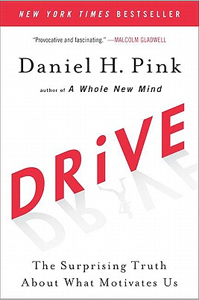
Personal autonomy at work isn’t just a feel-good concept; it’s a proven driver of productivity and employee satisfaction. Dan Pink, in his bestselling book Drive, highlights autonomy as one of the core elements that lead to better performance and greater personal fulfillment. Managers who harness this principle can cultivate more engaged, motivated, and productive teams, helping their organizations thrive.

Why Personal Autonomy Matters
At the heart of personal autonomy is the ability to make decisions about how, when, and where to perform tasks. This doesn’t mean a complete lack of structure, but rather the freedom to manage one’s work in a way that aligns with individual strengths and preferences. Research suggests that employees with a high degree of autonomy are more likely to be engaged, which leads to improved performance. For instance, a study of cross-functional team job designs indicated that autonomy enhances job satisfaction and reduces emotional exhaustion. When employees have control over their tasks, they often feel a stronger sense of ownership and responsibility, which translates into higher motivation and output.
Dan Pink’s Autonomy Principle
Dan Pink emphasizes the importance of autonomy as one of the three pillars of motivation, alongside mastery and purpose. In his TED Talk and his book Drive, Pink argues that while traditional incentives like financial rewards work for simple tasks, more complex, creative work thrives on intrinsic motivators. Autonomy, according to Pink, allows workers to “direct their own lives,” which fosters creativity, engagement, and satisfaction. The challenge for managers is learning how to give autonomy without sacrificing the necessary oversight for organizational success.
Autonomy and Productivity: A Proven Connection
Autonomy isn’t just about making employees happier, it’s directly linked to increased productivity. Research shows that when workers are granted autonomy, they are more likely to take initiative, innovate, and improve processes. A notable example can be seen in companies like Google, which gives its employees significant freedom to explore side projects. This approach led to some of Google’s most successful innovations, including Gmail and Google News.
Managers who foster autonomy enable their teams to work more efficiently. Instead of micromanaging every step, they empower employees to solve problems independently, which reduces bottlenecks and decision fatigue. This aligns with findings from positive psychology, where worker autonomy was shown to enhance well-being, reduce absenteeism, and improve job performance.
How Managers Can Encourage Personal Autonomy
- Set Clear Goals, Not Prescriptive Steps: The key to granting autonomy is providing clear objectives without dictating every action. By focusing on what needs to be achieved rather than how, managers can give employees the flexibility to use their skills creatively. This approach respects individual working styles while keeping teams aligned with organizational goals.
- Support Continuous Learning: Autonomy thrives in environments where employees feel confident in their abilities. Encourage ongoing learning and development opportunities so that team members can build the skills they need to work independently. When people feel competent, they are more comfortable making decisions and taking ownership of their tasks.
- Trust, Don’t Micromanage: Trust is the foundation of autonomy. Managers should trust their employees to make decisions and allow room for mistakes. Fostering a culture where failure is seen as a learning opportunity rather than a catastrophe can encourage more risk-taking and innovation.
- Provide Regular Feedback: While autonomy involves giving employees control over their work, it doesn’t mean leaving them without guidance. Regular feedback ensures that employees are on the right track and helps them align their personal goals with the organization’s objectives.
- Flexible Work Arrangements: One practical way to implement autonomy is through flexible work arrangements, such as allowing remote work or flexible hours. This approach acknowledges that employees perform better when they have the freedom to choose how they manage their time.

Learning from Dan Pink: Real-World Applications
Dan Pink’s work offers valuable insights into the psychology of motivation. His emphasis on autonomy has been embraced by companies like Atlassian, an Australian software company, which gives its employees 20% of their time to work on projects of their own choosing. This policy resulted in several new product ideas, showcasing how autonomy can directly drive innovation.
By integrating Pink’s ideas into their management strategies, leaders can unlock the full potential of their teams. Understanding that autonomy, when paired with purpose and mastery, leads to intrinsic motivation, managers can help create a work environment that not only boosts productivity but also enhances employee well-being.
Autonomy for Long-Term Organizational Success
Companies that prioritize autonomy are more likely to see long-term success. When employees feel they have control over their work, they are more invested in the outcomes, which leads to higher quality and efficiency. In competitive industries where innovation is key, autonomy is not just a luxury; it’s a necessity for staying ahead.
Managers can start by gradually increasing the level of autonomy they grant their teams, testing different approaches and gauging the impact on productivity and morale. Over time, as trust builds and processes evolve, organizations can foster a culture where autonomy is the norm, leading to sustainable growth and innovation.
Embracing Personal Autonomy
Personal autonomy at work, as championed by Dan Pink, is more than just a trend; it’s a critical element of modern management. When organizations embrace autonomy, they unlock higher levels of creativity, engagement, and productivity. Managers who prioritize autonomy, while maintaining clear goals and providing support, will see their teams thrive.
For more researched insights on personal autonomy, check out:
- Deci, E. L., Ryan, R. M., Gagné, M., Leone, D. R., Usunov, J., & Kornazheva, B. P. (2001). “Need Satisfaction, Motivation, and Well-Being in the Work Organizations of a Former Eastern Bloc Country: A Cross-Cultural Study of Self-Determination.” Personality and Social Psychology Bulletin, 27(8), 930-942.
- Hackman, J. R., & Oldham, G. R. (1976). “Motivation through the Design of Work: Test of a Theory.” Organizational Behavior and Human Performance, 16(2), 250-279.