


Estimated reading time: 7 minutes
Companies are always in transition and there are enumerable changes taking place all the time that force them into a constant state of flux. While some might like to hold on to this notion that somehow there was a time in the past when business was more steady, the fact is we are always one step form major change due to the uncontrollable external environment all businesses must contend with. It is for this reason we are taking a deeper dive into organizational resilience.
Organizational resilience refers to an organization’s ability to anticipate, prepare for, respond, and adapt to incremental changes and sudden disruptions in order to survive and prosper. It goes beyond mere survival, aiming at evolving and growing in the face of challenges. It encompasses the ability to transform operations and strategies to capitalize on changes, including technological advancements, market shifts, and internal disruptions.
For those who went to business school in the 1980’s and 90’s, you might be more familiar with the term “risk management” as it was all the rage on the financial and supply chain side of business as executives worked to mitigate risk for business operations. This era also saw the development of internal control frameworks to manage financial reporting reliability, compliance with laws and regulations, and operational and strategic goal achievement. With an increased focus on risk, more organizations began to realize that threats to the business could be more than just a focus on finances and operations and thus the term business continuity began to take hold.
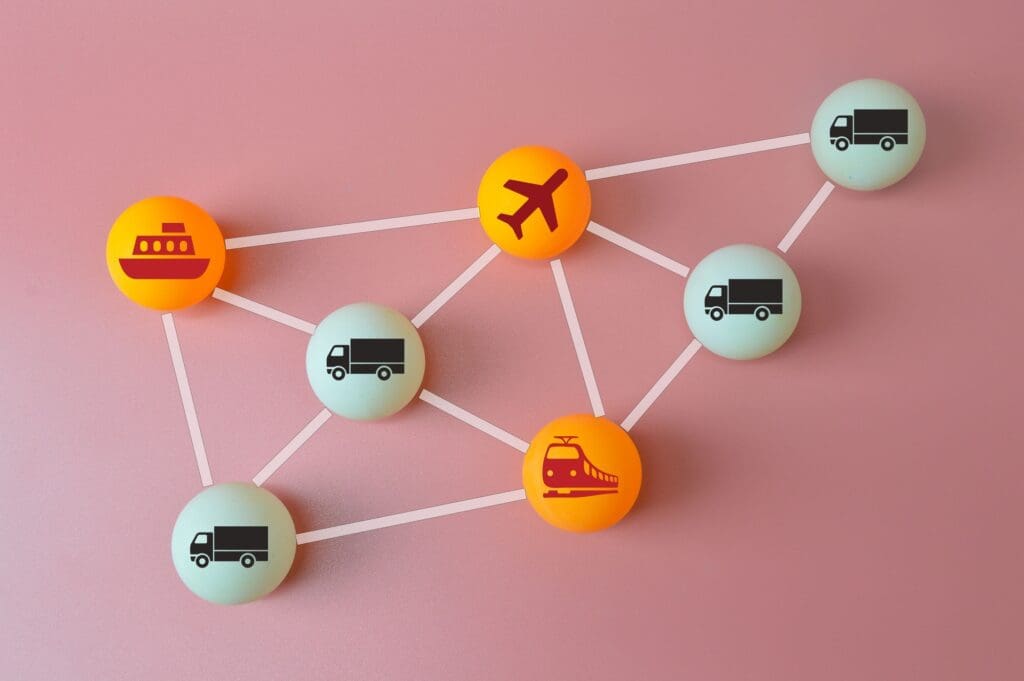
Business Continuity
Business continuity is the operational framework that organizations implement to ensure that essential functions can continue during and after a significant disruption. The focus of business continuity is twofold: to protect personnel and assets and to ensure they can function during and after a crisis. What kinds of functions and what kinds of crisis? Well, there are the catastrophic issues like earthquakes and floods, but also the technological issues like cyberattacks and IT system failures. Because organizations are run by people, and people can get upset, organizations have to consider factors like sabotage or even terrorism. Any one of these things can create a disruption so the aim is to have a plan that is robust and flexible enough to be applied to different types of incidents, ensuring the organization can respond effectively regardless of the specific nature of the disruption.
Business continuity involves conducting a risk assessment and a business impact analysis (BIA). These processes help identify potential threats to the organization and assess the impact that different types of disruptions could have on its operations. Based on the risk assessment organizations develops recovery strategies and plans for maintaining or quickly resuming critical operations. This might include alternative work arrangements, such as remote work capabilities, establishing redundancy for critical IT systems, and arranging for alternate suppliers or supply chains to mitigate the risk of disruptions.
Organizational Resilience
Because business continuity tends to be more narrowly focused on maintaining essential functions during and after a disruption, organizations realized there are many more considerations one must focus on aside form just getting back online, and this is where organizational resilience comes in. Organizational Resilience is a broad concept that includes the ability of an organization to absorb stress, recover critical functionality, and thrive in altered circumstances. It involves adapting to and learning from challenges, encompassing strategic, operational, financial, and commercial aspects to ensure long-term sustainability and growth.
Organizational Resilience Framework:
An organizational resilience framework has some similarities with business continuity. Each identify and assess risk, and ensure that the organization continues to operate or rebounds quickly. However, what sets organizational resilience apart is its focus on things like adaptive leadership. This ensures that leaders are flexible and responsive to changing circumstances. That organizations have a change management plan to address internal and external stressors. That before and after a crisis there is a focus on promoting a positive and resilient culture through open and broad communication that enables and engages workers; and that there is a focus on continuous improvement.
Examples of Resilient Organizations
Several organizations are recognized for their resilience, often attributed to their strong resilience frameworks. While specific names of current leading companies in organizational resilience can vary and evolve over time, sectors that often showcase resilient organizations include technology companies like Google and Amazon, finance organizations like JPMorgan Chase, and consumer goods companies like Procter & Gamble. These companies have been shown to do well with resilience by constantly adapting to market changes, investing in innovation, and maintaining robust risk management and business continuity strategies.
- Innovation and Adaptability: Google continuously innovates and diversifies its product offerings, allowing it to adapt to changes in technology and market demands. For example, its investments in cloud computing, artificial intelligence, and autonomous vehicles position it well for future growth.
- Culture of Resilience: Google fosters a culture that encourages creativity, learning from failures, and iterative improvement, which is fundamental to resilience. This culture empowers employees to take risks and innovate.
Amazon
- Scalable and Flexible Operations: Amazon’s investment in a robust and scalable logistics infrastructure has allowed it to respond effectively to surges in demand, such as those experienced during the COVID-19 pandemic.
- Diversification: By diversifying its business model to include e-commerce, cloud computing (AWS), and other ventures, Amazon can mitigate risks associated with any single line of business.
Procter & Gamble (P&G)
- Supply Chain Resilience: P&G has invested in making its supply chain more resilient through geographic diversification, local sourcing strategies, and flexible manufacturing processes. This approach helped it manage disruptions in supply chains.
- Focus on Core Strengths and Innovation: P&G focuses on innovation within its core brands and products, continuously adapting to consumer preferences and technological advancements, ensuring long-term growth.
JPMorgan Chase
- Risk Management: JPMorgan Chase has a strong focus on risk management, employing sophisticated tools and models to identify, assess, and mitigate financial risks, which is crucial for resilience in the volatile banking industry.
- Technological Innovation: The bank invests heavily in technology to improve its operations, enhance customer service, and develop new financial products, which helps it stay competitive and respond to changes in the financial services sector.

How To Be Small Business Resilient
The practices of organizational resiliency are not just for big companies, small businesses can also implement these lessons and adapt them to fit their own needs. Here are ways small businesses can apply these lessons to enhance their resilience:
1. Foster a Culture of Innovation and Adaptability
- Encourage Creativity: Create an environment where employees feel comfortable sharing new ideas and taking calculated risks. Small businesses can be more agile, making it easier to innovate and adapt.
- Learn from Failures: Embrace failures as learning opportunities, encouraging a mindset of continuous improvement.
2. Diversify Products, Services, and Revenue Streams
- Explore New Markets: Look for opportunities to serve new customer segments or geographical areas.
- Expand Offerings: Consider broadening your product or service range to reduce dependence on a single source of income.
3. Invest in Technology
- Digital Transformation: Use technology to improve operational efficiency, customer service, and online presence. Even basic digital tools can significantly impact productivity and market reach.
- Remote Work Technologies: Adopt tools that enable flexible work arrangements, making your business more adaptable to changes in work environments.
4. Develop Strong Risk Management Practices
- Identify Risks: Regularly assess potential risks to your business, including financial, operational, and market-related risks.
- Create a Contingency Plan: Have a plan in place for dealing with unexpected events, such as natural disasters, supply chain disruptions, or sudden changes in customer demand.
5. Build a Resilient Supply Chain
- Diversify Suppliers: Avoid relying on a single supplier. Having multiple sources can help mitigate risks if one supplier faces disruptions.
- Local Sourcing: When possible, source materials and products locally to reduce supply chain vulnerabilities.
6. Emphasize Customer Relationships and Engagement
- Understand Your Customers: Regularly gather feedback to better understand their needs and preferences, and adapt your offerings accordingly.
- Build Loyalty: Focus on excellent customer service and building strong relationships to ensure a stable customer base even during challenging times.
7. Maintain Financial Health
- Emergency Fund: Keep a reserve of funds to help your business survive short-term disruptions without drastic measures.
- Prudent Financial Management: Monitor cash flow closely and manage debts wisely to maintain financial flexibility.
8. Invest in Employee Well-being and Development
- Support Employee Growth: Offer training and development opportunities to help employees adapt to new roles or technologies.
- Promote Well-being: Support your employees’ mental and physical health, recognizing that a resilient team is foundational to a resilient business.
By applying these lessons, small businesses can build resilience into their operations, culture, and strategic planning. This approach not only prepares them to face challenges but also positions them to seize new opportunities for growth and development.