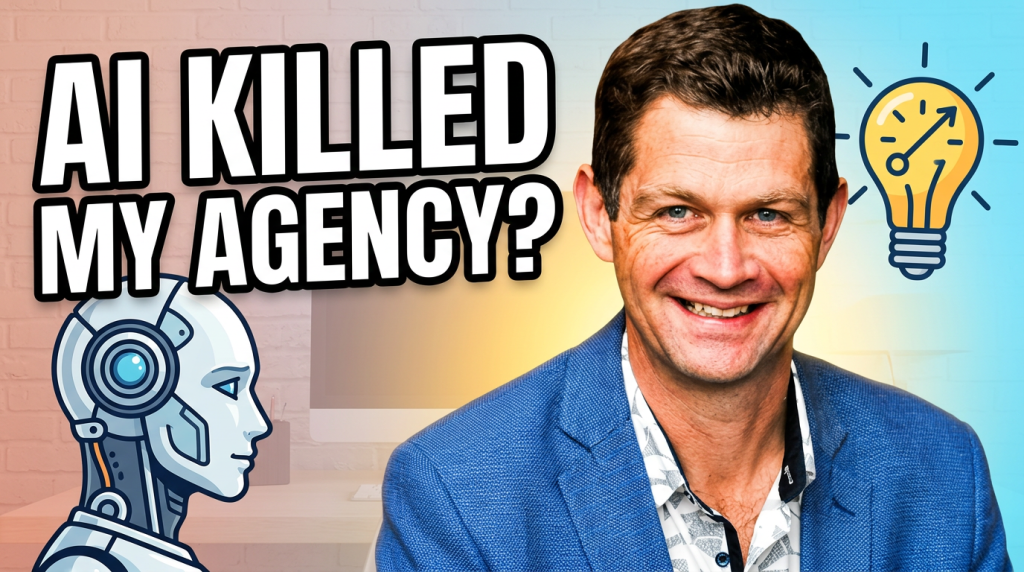

AI disruption in digital marketing is no longer a distant threat – it is reshaping entire industries right now. For Wes Towers, founder of Uplift 360, an Australian digital agency with over 20 years of experience helping trades, construction, and service-based businesses get found online, an AI-driven business valuation delivered the gut punch that became the catalyst for a complete reinvention.
In this episode of DissedMedia: A Startup Story, host Ben sits down with Wes to unpack how AI is disrupting digital marketing, why the human element in business has never been more valuable, and what it really takes to future-proof a small business in an era of vibe coding, large language models, and an internet flooded with AI-generated content.

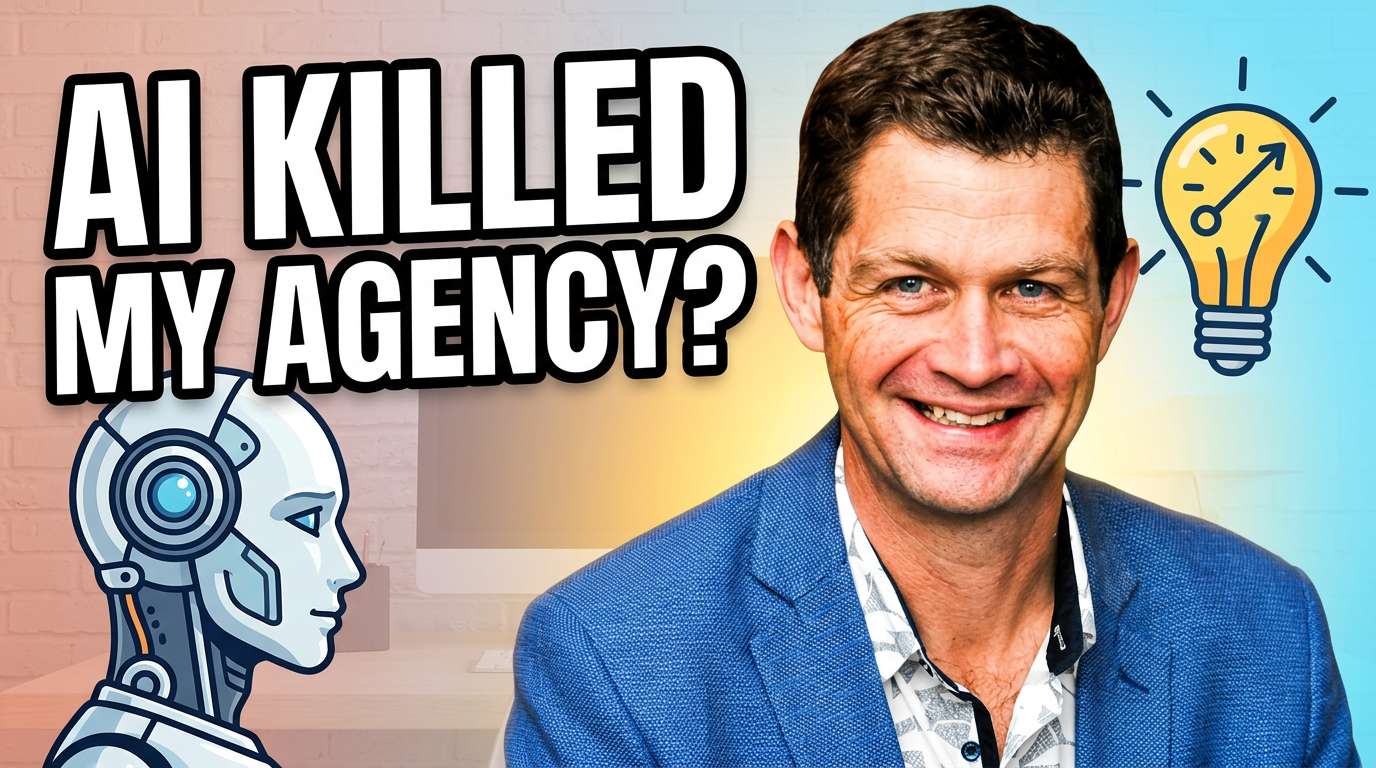
When AI Tells You Your Business Is Worth Less
A few years ago, Wes commissioned a professional business valuation. The result was sobering: the evaluator believed the company’s core value — building websites — was under serious threat from the rise of AI and vibe coding tools that would soon allow anyone to spin up a functional website without hiring a developer. Wes didn’t dismiss it.
“No one wants to go out of business simply because some software wiped them out.”
Rather than wait for disruption to arrive, he got ahead of it. The agency reworked its standard operating procedures, leaned into strategic consultation, and began thinking about what AI could never easily replicate: deep domain expertise, human insight, and trusted relationships built over decades.
This is a story many entrepreneurs and small business owners need to hear right now. Whether you run a digital agency, a trades business, or a service-based company, the pressure to adapt to AI is real — and the window to act is narrow.
Why AI Disruption in Digital Marketing Has Changed Small Business Forever
One of the most compelling insights Wes shares is that the small business digital marketing playbook has fundamentally shifted. The old linear sales funnel — attract, capture, convert — is largely broken. Customers are no longer following a predictable path from ad to landing page to purchase.
Instead, people research on their own schedule, across multiple platforms — and increasingly, they’re asking ChatGPT and other large language models to recommend service providers. Wes shares a remarkable example: one of his clients, a solo consultant, landed a $120,000 contract because ChatGPT named him as the best in Australia for his specialty when a prospective client asked.
That’s the new SEO frontier. It’s not just about ranking on Google anymore. It’s about optimizing for AI search — making sure your content is authoritative, useful, and indexed by the LLMs that are increasingly becoming the first stop for buyers making major decisions.
Key shifts in digital marketing strategy Wes highlights:
- Website authority matters more than ever. Your website is still the trust hub — and it’s what both Google and LLMs pull from.
- Google reviews and social proof are critical trust signals, especially for trade and construction businesses.
- Publishing quality, human-centric content beats volume. AI-generated filler gets passed over by both algorithms and readers.
- Niching down is a competitive superpower. In a noisy, AI-saturated market, being the recognized expert in a specific niche is more valuable than trying to be everything to everyone.
AI Is Pushing Us to Be More Human — Not Less
Perhaps the most counterintuitive takeaway from this conversation is that the rise of AI is actually increasing the value of human connection in business. As Wes puts it, “AI is forcing us to be more human than ever before.”
When every brand can produce polished, professional-sounding content with the click of a button, authenticity becomes the true differentiator. People — even 13-year-olds — are increasingly skilled at detecting AI-generated content. They’re tuning it out. What cuts through is a distinct voice, a real perspective, and genuine expertise.
Wes describes a discovery technique he borrowed from psychology — specifically the concept of shadow work — where instead of asking clients to describe what makes them great, he asks them to talk about what frustrates them most about their industry. The negative emotions surface faster, more honestly, and more vividly than the polished elevator pitch ever does. Once you identify the darkness, you can articulate the light — and that becomes the core of an authentic, resonant marketing message.
Vibe Coding, AI Tools, and the New Reality for Digital Agencies
With vibe coding — the ability to build functional software and websites through conversational AI prompts — becoming more accessible, the technical execution side of digital agency work is facing real commoditization pressure. Wes doesn’t sugarcoat this. He acknowledges that the days of charging premium rates purely for technical website builds are numbered.
But the story doesn’t end there. The flip side of vibe coding is that it’s extremely good at giving you what you ask for — even when what you asked for isn’t what you need. This is where seasoned expertise earns its keep. A business owner who builds their own site via AI may produce something visually appealing that quietly destroys their conversion rate because they didn’t know what to optimize for.
Wes shares a real client example: a company came to Uplift 360 wanting a heavily animated, visually spectacular website. Left to their own devices — or to an AI tool without strategic guardrails — they would have built exactly that. What they actually needed was a high-converting site designed to generate leads. Those are two very different briefs, and knowing the difference is worth every bit of the consulting fee.
How to Get Found on ChatGPT and LLMs
One of the most actionable segments of this episode is Wes’s breakdown of how to optimize for AI search and get your business recognized by large language models. The good news: it’s not as different from traditional SEO as you might fear.
LLMs are trained to surface the most authoritative, useful, and well-structured information available on the web. That means:
- Writing genuinely helpful, expert-level content on your website — not thin, keyword-stuffed filler.
- Building a strong Google Business profile with consistent, positive reviews.
- Publishing case studies, project showcases, and industry-specific content that demonstrates real-world expertise.
- Earning mentions and backlinks from credible sources in your industry.
- Being active and consistent enough online that when someone asks an LLM who the best in your field is, your name is in the training data.
It’s worth noting that this type of content strategy is also exactly what drives website conversion optimization — it builds trust before a visitor ever picks up the phone.
What Would Wes Do Differently?
When asked what he would do differently if he were starting Uplift 360 today, Wes’s answer is immediate: network sooner. He stumbled into networking later than he should have, and he’s convinced that getting in the room with the right people — both potential clients and mentors who’ve already solved the problems you’re facing — is the single highest-return activity for any early-stage founder.
He also talks about the pivotal shift of bringing his technical team into the strategy conversation. For years, the SOPs at Uplift 360 were built around Wes’s own best judgments. When he finally opened the floor to his team, the improvements were rapid and significant. The lesson: the people doing the daily work often have the clearest view of what needs to change.
About Wes Towers and Uplift 360
Wes Towers is the founder of Uplift 360, an Australian digital agency specializing in helping trade, construction, and service-based businesses build a powerful online presence. With over 20 years of experience in SEO, web design, and digital strategy, Wes works with businesses locally and globally to help them get found, get trusted, and get chosen.
He is also active on LinkedIn and welcomes connection requests — find him at linkedin.com/in/westowers. You can book a free strategy call at uplift360.com.au.
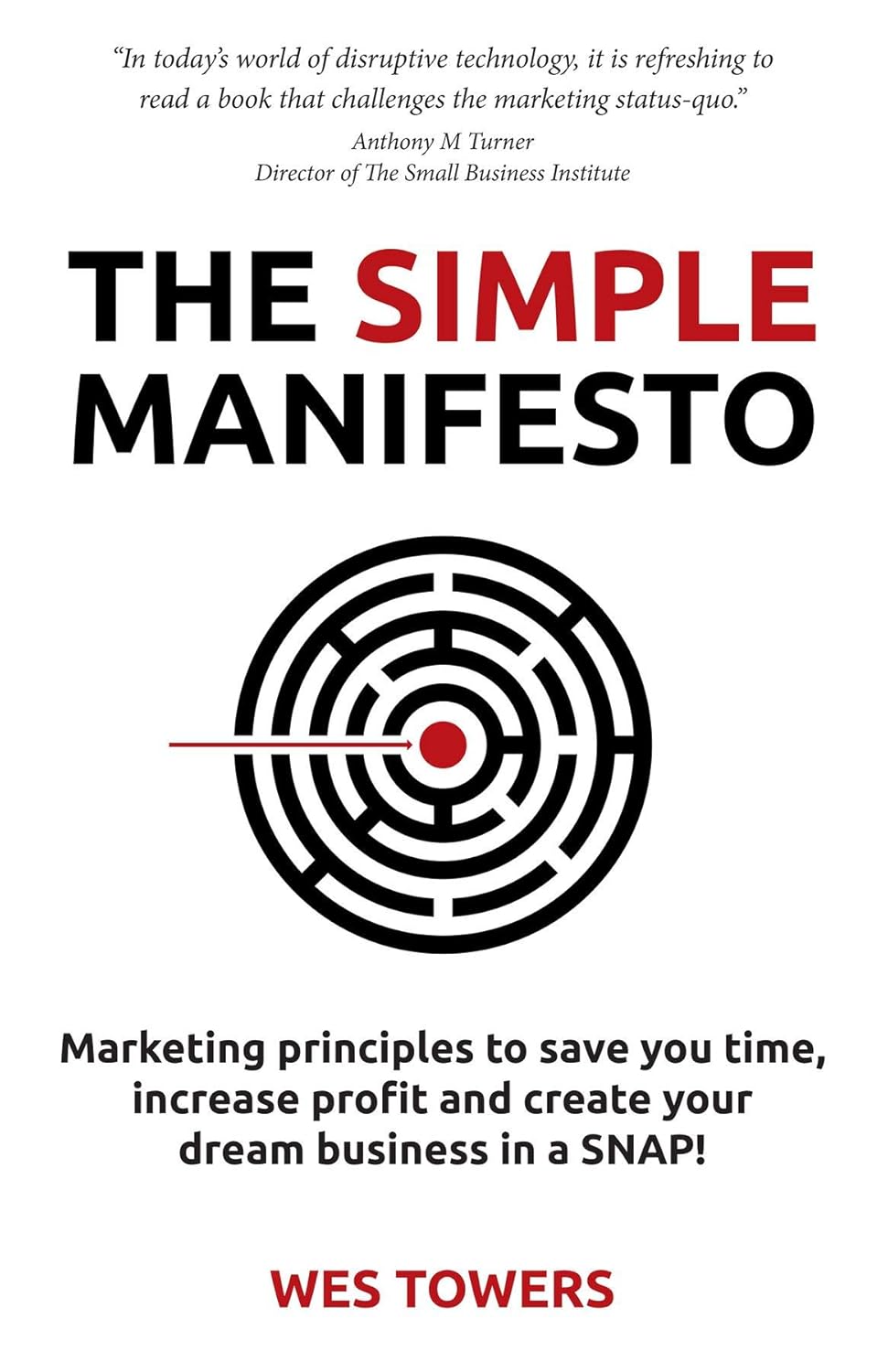
Wes is also the author of The Simple Manifesto — a practical guide to marketing principles that save time and increase profit. Written before the AI era but perhaps more relevant now than ever, it’s available in paperback and ebook on Amazon: Get The Simple Manifesto on Amazon.
More From DissedMedia: A Startup Story
If this conversation resonated, explore more episodes from our podcast archives:
- How to Improve Public Speaking Skills – Debbie Fay on Nailing Your Presentation Every Time
- Personal Development Lessons from Leadership Expert Dr. Andy Neillie
Listen to the Full Episode
This episode is packed with practical insights for entrepreneurs, agency owners, and anyone trying to figure out how to market a small business in a world where AI is changing the rules faster than anyone can keep up. Whether you’re a tradesperson trying to get more Google reviews, a founder reevaluating your digital strategy, or a business owner wondering whether ChatGPT is sending customers your way — this conversation is for you.
DissedMedia: A Startup Story is available on Apple Podcasts, Spotify, and wherever you listen. Subscribe, leave a review, and share this episode with a fellow entrepreneur who needs to hear it.