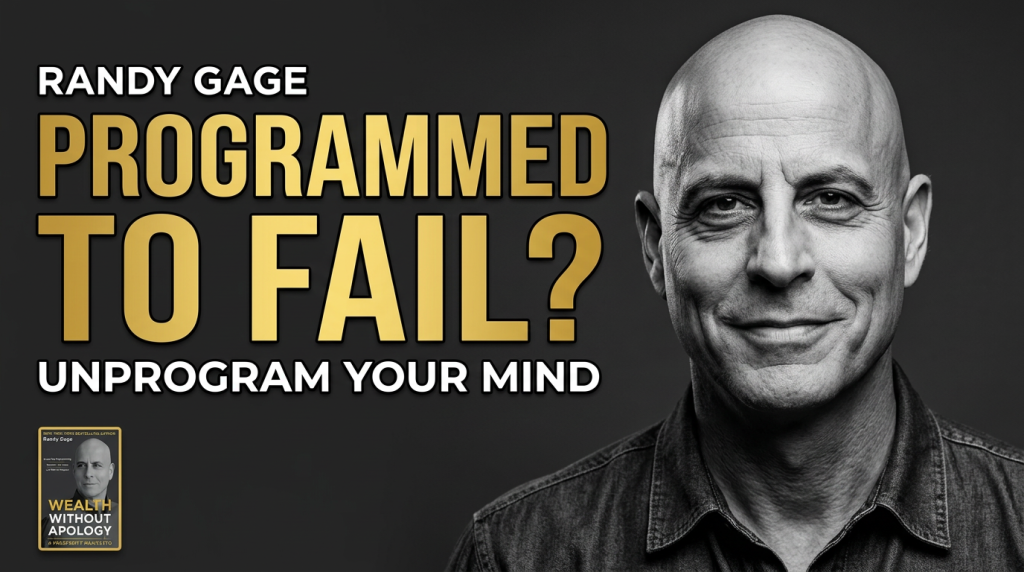

Your money mindset is either your most powerful business asset or your biggest invisible liability. Most entrepreneurs who struggle with income, pricing, or growth are not failing because of weak strategy or poor execution. They are failing because of inherited belief systems around money, success, and worthiness that were never consciously chosen. Randy Gage, Speaker Hall of Famer and bestselling author of 16 books translated into more than 25 languages, has spent decades helping entrepreneurs identify and dismantle those beliefs. His message is direct: you were likely programmed to fail before you ever started your business, and until you fix that programming, no tactic or strategy will save you.
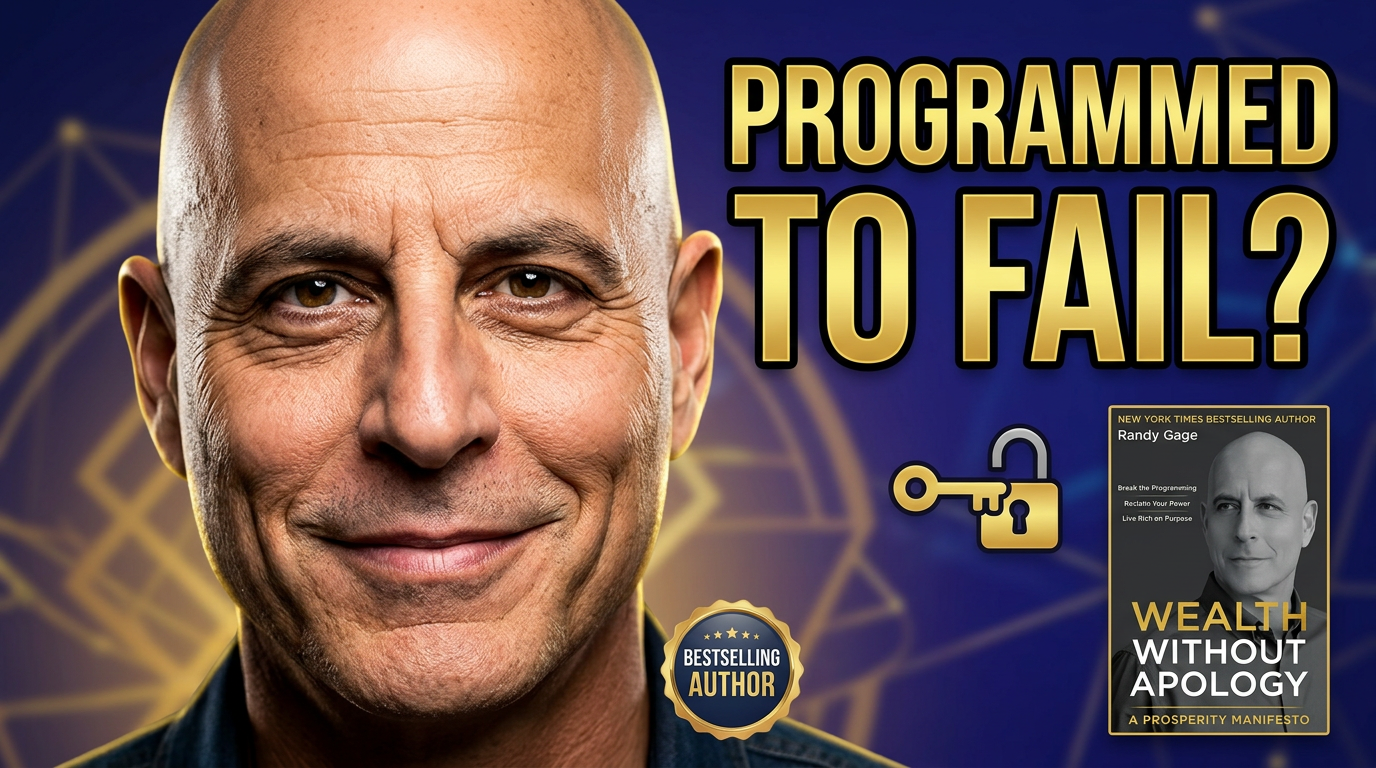
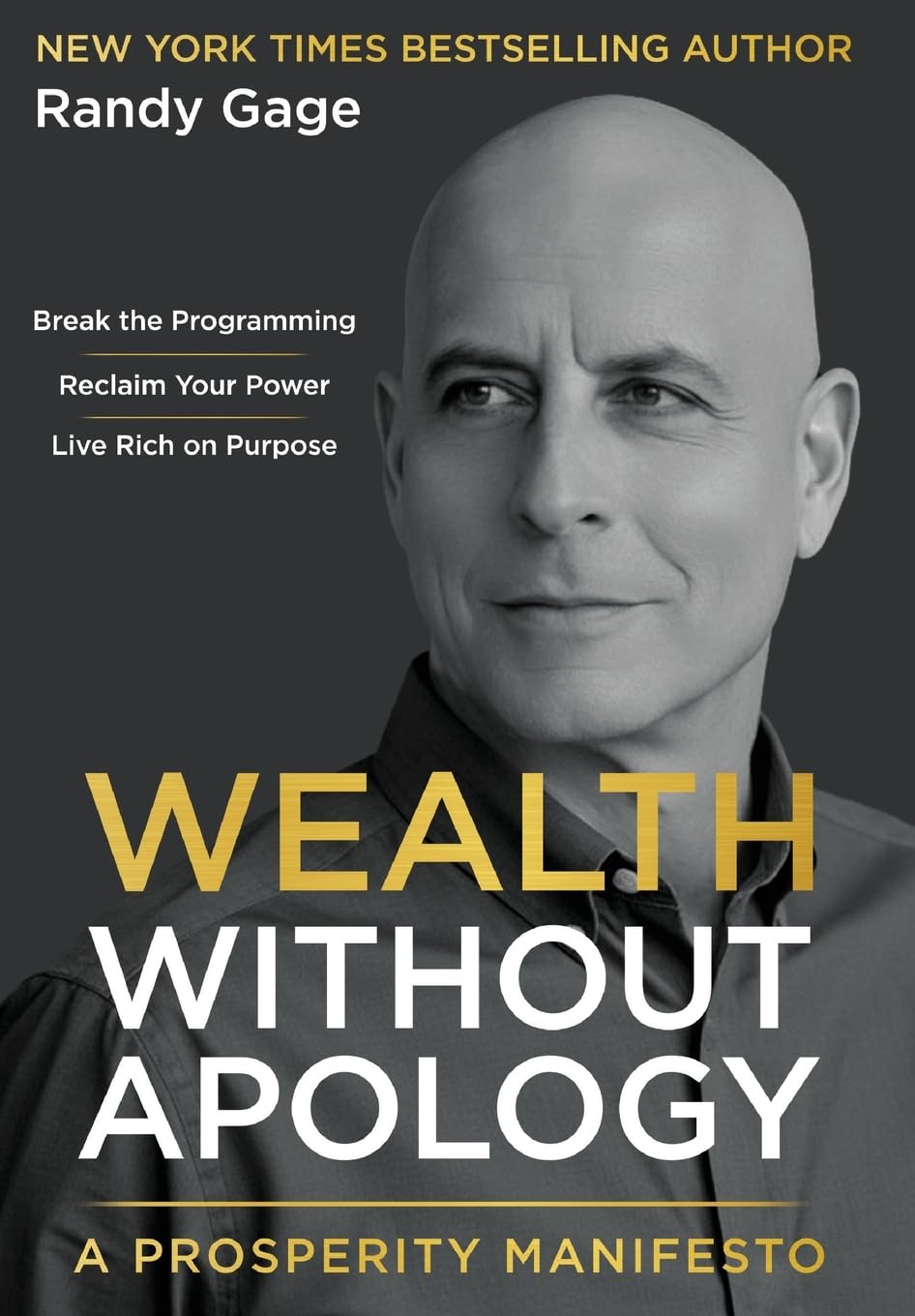
In Episode 73 of DissedMedia: A Startup Story, Randy joins Ben Olmos for a wide-ranging conversation about the science of belief, the cultural forces shaping how entrepreneurs think about wealth, and the practical steps to build what Randy calls a prosperity flywheel. His new book, Wealth Without Apology: A Prosperity Manifesto, just released and serves as the backbone for much of what they discuss.
What It Means to Have a Money Mindset That Works Against You
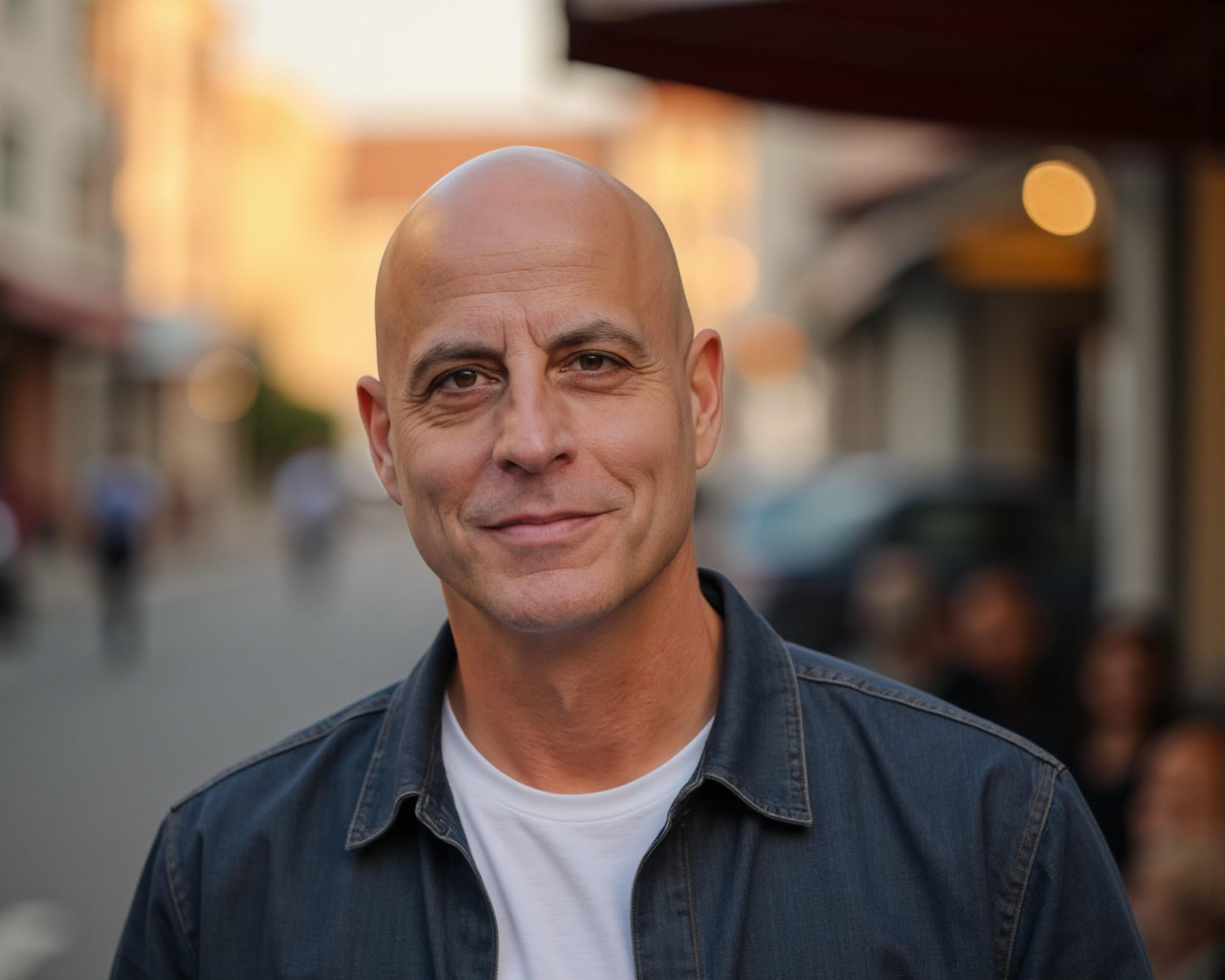
Randy Gage did not come from privilege. He came from a jail cell as a teenager and rebuilt himself entirely from the inside out. That experience gives him a perspective that most business coaches and authors simply do not have. He has watched himself and thousands of clients self-sabotage at critical moments, not because they lacked talent, but because their internal programming was set against success.
The money mindset challenge Randy describes is not about positive thinking or morning affirmations. It runs deeper. He explains that entrepreneurs often carry contradictory beliefs: they claim to want a million-dollar business while pricing their services at $50 an hour. That gap between stated value and actual pricing is not a strategy problem. It is a belief problem. And according to Randy, approximately 70 percent of the work he does inside his entrepreneurial coaching program is focused entirely on the mental side of business, not business mechanics.
This pattern shows up in ways entrepreneurs rarely notice. They undercharge. They apologize for promoting their work. They feel vaguely guilty when revenue climbs. These are symptoms of a money mindset shaped by messages absorbed over a lifetime, not by conscious choice.
Mind Viruses and the Science of Memetics
One of the most compelling frameworks Randy introduces in this episode is the concept of the mind virus, rooted in the science of memetics. The term meme was coined by biologist Richard Dawkins in his book The Selfish Gene to describe how ideas and behaviors spread through culture the same way genes spread through biology. Dawkins used the word to describe external programming, beliefs and behaviors that have nothing to do with genetics but replicate and spread through populations nonetheless.
Randy identifies several dominant mind viruses circulating in business culture today. Money is bad. Rich people are evil. To succeed in business, you must exploit workers and harm the environment. These are not fringe beliefs. They are embedded in mainstream entertainment, social media, and casual conversation. And they are infecting your money mindset whether you realize it or not.
He points to a particularly damaging pattern in popular television. Almost every hospital drama eventually features a storyline where a wealthy person buys the hospital and threatens care for lower-income patients. Shows like Succession, Billions, and Alien all frame extreme wealth as inherently corrupt. Randy has catalogued this phenomenon in detail inside Wealth Without Apology. The point is not that wealthy people are always good. The point is that the relentless cultural repetition of wealthy people as villains creates a subconscious belief that your own success makes you a threat. That belief is what makes entrepreneurs self-sabotage.
Questioning Premises Is the Most Underrated Entrepreneurial Skill
One of the most energizing moments in this episode comes when Randy and Ben talk about Elon Musk and the practice of questioning premises. Randy argues that the most dangerous thing an entrepreneur can inherit is an unexamined assumption. He uses the example of Tesla’s assembly line, where Musk discovered that a fiberglass component creating a production bottleneck was there because two departments each assumed the other one needed it. Nobody had ever asked why it existed. The component was not necessary at all.
The same logic applies to how rockets were built before SpaceX. For decades, aerospace companies built rockets, launched them, and discarded them entirely. The cost was staggering. Musk simply asked whether there was any physical reason a rocket could not be reused. There was not. That question, applied from first principles, changed the economics of space travel.
Entrepreneurs who operate from inherited premises rather than first principles will always be constrained by someone else’s ceiling. Randy frames premise-questioning as both a business strategy and a money mindset practice. What have you accepted as fixed that could actually change? What pricing assumption, service model, or market belief is limiting you not because it is true, but because nobody ever challenged it?
This connects directly to the personal development work Ben explores with guests across the DissedMedia podcast. In Episode 68 with Dr. Andy Neillie, the conversation around character and conviction touches the same core idea: growth happens when you examine and challenge the foundational beliefs driving your behavior, not just the surface behaviors themselves.
The Infinite Game and What It Changed for Randy Gage
Randy shares a turning point in his own business philosophy rooted in Simon Sinek’s book The Infinite Game. For most of his career, Randy approached business the conventional way: identify a product or service, calculate cost, estimate profit margin, and build a revenue model. That framework worked well enough. He had already generated more than $23 billion in revenue across his own business, clients, and coaching proteges by that point.
But after reading Sinek, Randy restructured his entire business around a single mission: making the world more prosperous by raising prosperity consciousness one person at a time. He stopped leading with the money model and started leading with the mission. His company, Prosperity Factory Incorporated, now operates from the premise that doing enough good creates profitability as a byproduct rather than as a goal.
The results have been striking. Randy turned 67 in 2025. He describes it as the best year of his entire career across every metric: revenue, investments, relationships, health, and energy. He credits the shift in money mindset from profit-first to purpose-first as the single biggest driver of that growth. He is already projecting that 2026 will exceed it.
How AI Is Expanding Randy’s Business Without Replacing His Team
The conversation takes a practical turn when Randy describes how he has integrated AI into his business operations. He is not using AI to cut costs or reduce headcount. He is using it to multiply output.
Randy estimates that AI agents are now handling 12 to 15 hours per week of work he previously did himself. That freed time goes back into higher-leverage creative and strategic activity. But the more surprising benefit is what he calls the magic sauce: roughly 20 additional hours per week of ideas, frameworks, and opportunities that AI surfaces that he would not have discovered on his own.
A concrete example he shares involves his Monday Mojo newsletter, a 12-week email series designed to help coaching clients start each week with the right mindset. After completing the 12th edition, one of his AI agents pointed out that the structure of the series would make a natural framework for a book and offered to draft a table of contents. That kind of proactive creative contribution is what Randy means by magic sauce: value that emerges from AI that goes beyond task completion.
Rather than reducing his team, Randy is expanding it. He anticipates hiring three additional people by the end of the year alongside deploying ten new AI agents. The AI handles the repeatable; the humans handle the relational. His money mindset around AI is the same as his money mindset around business in general: invest in the tools that multiply your genius, not just the tools that reduce your costs.
Why Disruption Always Creates More Than It Destroys
Both Randy and Ben acknowledge that AI will displace significant numbers of jobs. Randy estimates that two to three billion jobs will be disrupted by AI and AI-driven robotics. He does not minimize that impact. But he places it in historical context.
His sister-in-law worked as a typesetter, manually arranging letter blocks to produce printed materials. That job was eliminated entirely by desktop publishing software. It did not come back. But she found other work, and the industry expanded. Randy himself started his speaking career in 1991 by producing cassette tape albums, a format his peers warned would cannibalize his speaking fees. Instead, those albums built a fan base across more than 50 countries that drove sold-out live events for decades. The tapes eventually generated $125,000 per month in sales and contributed to him being inducted into the Speaker Hall of Fame.
The pattern is consistent across every wave of technological disruption. Tools that seem to threaten a category of work ultimately expand the category. The printing press did not kill journalism. It created more of it. The internet did not kill music. It created more of it. A strong money mindset includes the long view on disruption: adapt early, invest in yourself, and trust that expanded capability creates expanded opportunity.
For entrepreneurs at any stage of building, this same framework applies to the fear of investing in their own growth. Randy’s reflection on funding his first cassette album without any guarantee of return is instructive. That album sold more than one million copies. He had no way of knowing that when he recorded it. But he operated from the belief that if he would not invest in himself, no one else would either. That money mindset turned out to be worth everything.
That willingness to bet on yourself before others do is also a recurring theme across DissedMedia conversations. April Palmer explored this same territory in Episode 44, where she described how the most successful founders treat failure as tuition rather than defeat, and why investing in your own learning is the most reliable path to sustainable growth.
What Wealth Without Apology Is Actually About
Randy’s new book, Wealth Without Apology: A Prosperity Manifesto, is not a wealth-building tactics book. It is a framework for dismantling the beliefs that prevent people from allowing themselves to build wealth in the first place.
Randy describes the book as covering four quadrants of a prosperous life, a framework that treats money and material success as necessary but not sufficient components of genuine prosperity. Health, relationships, and purpose are part of the equation. The goal of the book is to help readers build a prosperity flywheel: a self-reinforcing cycle where income-producing assets and business ventures generate wealth that compounds while they sleep.
He also addresses the guilt many high achievers carry around success. The cultural programming examined throughout this episode runs deep, and the book offers a direct counterargument. You were meant to be healthy, happy, and prosperous. Believing otherwise is not humility. It is the result of a money mindset shaped by forces that benefit from your underperformance.
Frequently Asked Questions About Money Mindset and Entrepreneurial Success
What is a money mindset and why does it matter for entrepreneurs?
A money mindset is the set of beliefs, assumptions, and emotional associations you hold about wealth, income, and financial success. For entrepreneurs, it matters because it determines how you price your work, how aggressively you pursue revenue, and whether you subconsciously sabotage growth when it begins to exceed what you believe you deserve. Randy Gage argues that most entrepreneurs are operating from a money mindset they inherited from family, culture, and media rather than one they deliberately built, and that gap is responsible for more business failure than any external market condition.
How do limiting beliefs about money show up in a business without the owner realizing it?
Limiting beliefs around money tend to show up as behavioral patterns that feel rational but are actually self-limiting. Common examples include underpricing services relative to the value delivered, avoiding promotion out of discomfort with selling, taking on clients who cannot afford fair rates while turning away premium opportunities, and feeling inexplicably anxious when revenue grows beyond a certain threshold. These behaviors are driven by a money mindset set below the level of success the entrepreneur is consciously pursuing. The mismatch between the stated goal and the subconscious belief creates internal resistance that surfaces as procrastination, self-doubt, or strategic errors.
Can you really change your money mindset as an adult, or is it too deeply ingrained?
Randy Gage’s entire career is evidence that the money mindset can be fundamentally rewritten at any age. He made the shift from a poverty mindset to a prosperity mindset after coming out of jail as a teenager with no resources and no blueprint. More recently, he restructured his entire business philosophy in his 60s after reading The Infinite Game, and experienced his best business year ever immediately afterward at age 67. The work required is real. It involves identifying the specific beliefs driving current behavior, understanding where they came from, and deliberately replacing them through consistent practice, mentorship, and in Randy’s case, written output like Wealth Without Apology. The process is not instant, but it is entirely possible at any stage of life or career.
Watch the Full Episode
Watch the full conversation with Randy Gage on YouTube below. Subscribe to DissedMedia for new episodes every week featuring entrepreneurs, leaders, and thinkers building businesses from the ground up.
Find Randy Gage at randygage.com. Get his new book at Wealth Without Apology: A Prosperity Manifesto on Amazon. Also recommended: Risky Is the New Safe and Mad Genius, both available on Amazon.