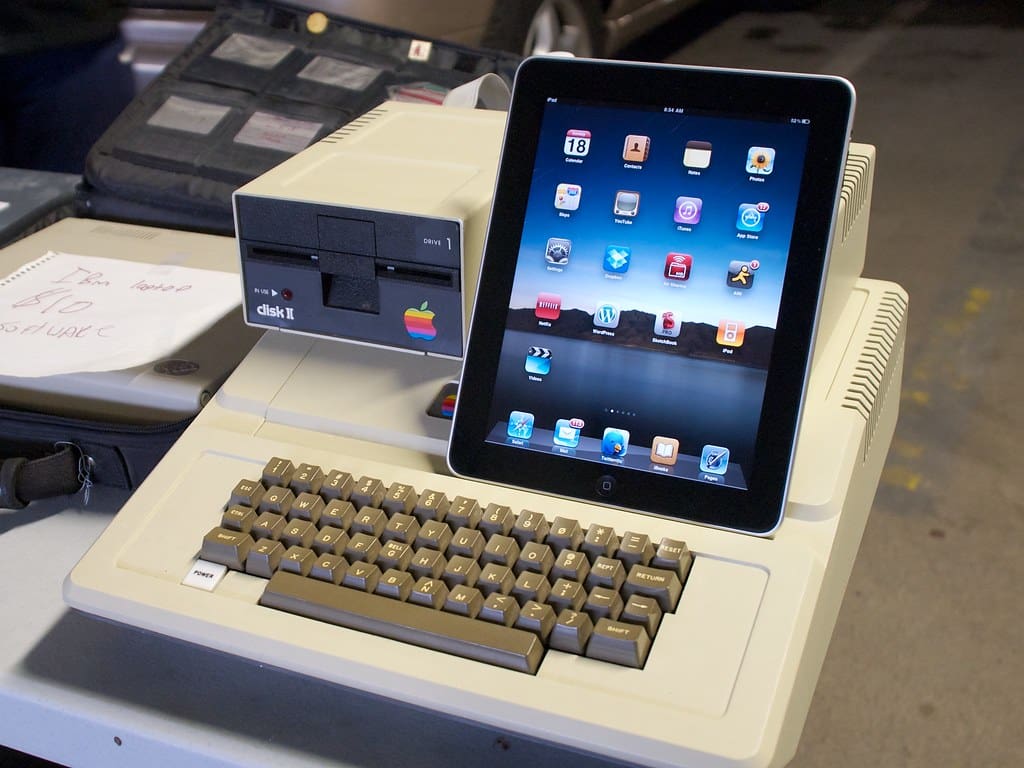

Office dynamics and tools have changed dramatically in the past 25 years. The speed and scope of this change have redefined workplaces, making them more efficient and interconnected. As we embrace the latest tech innovations, it’s fascinating to look back at the tools that once dominated our offices, shaping the way we worked.
From Rolodex to LinkedIn: Networking Tools Through Time
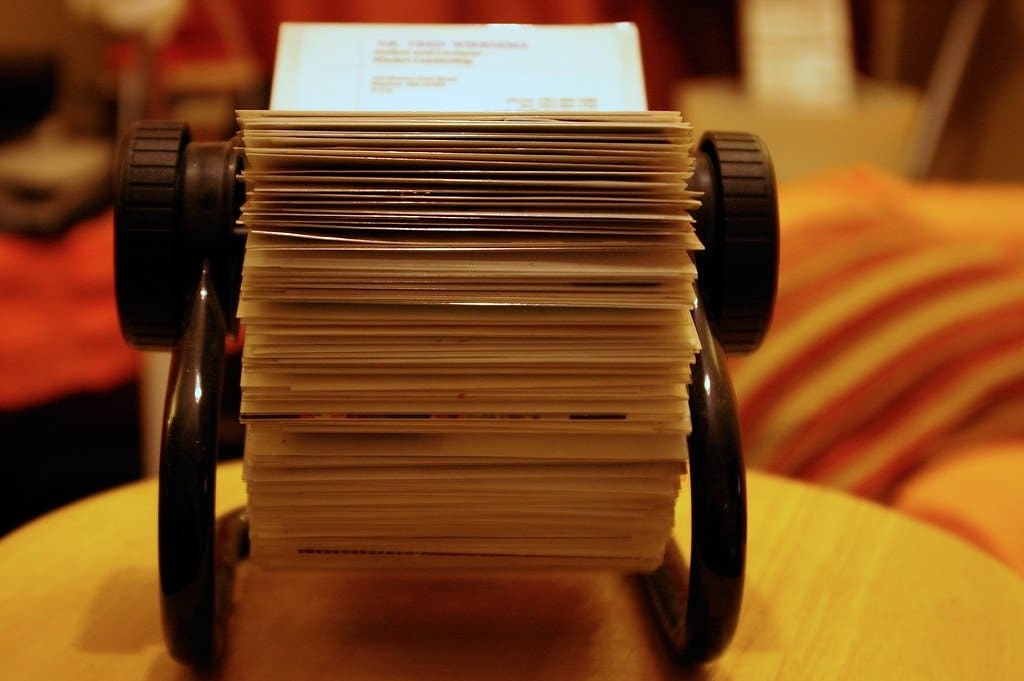
The Rolodex was a staple of desks across the world, with each card representing a contact, each spin a journey through a network of colleagues and clients. It was a physical embodiment of your professional network, a precursor to LinkedIn profiles and digital contacts lists.
Scheduling in Style: Calendars Then and Now
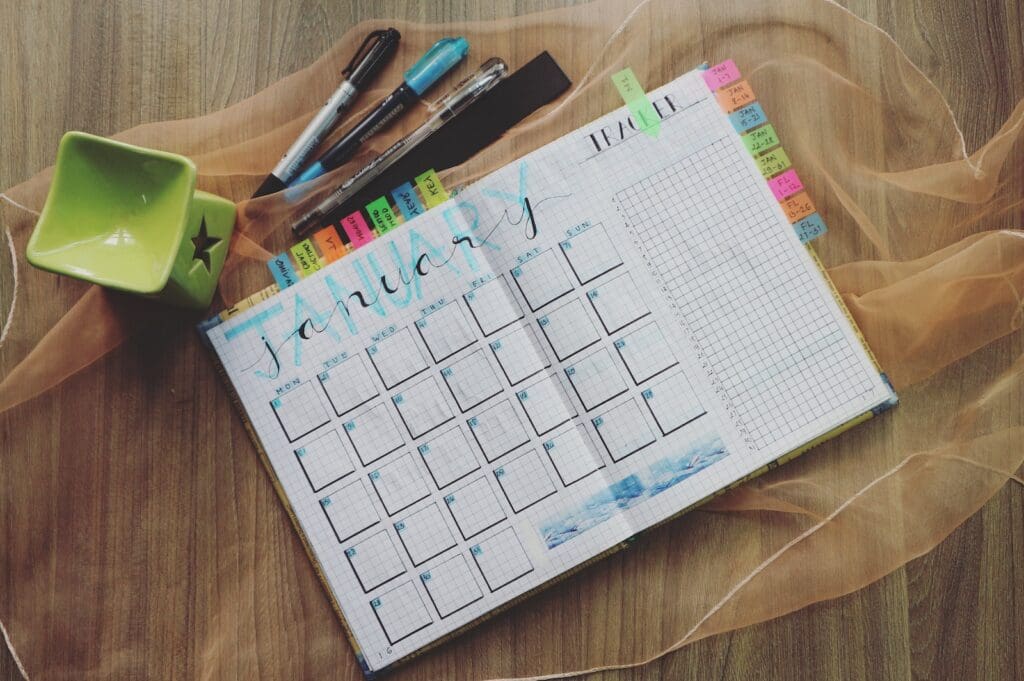
Alongside the Rolodex was the indispensable physical planner and calendar. These tools were used to meticulously plan and track meetings, deadlines, and important dates. They were the ancestors of Google Calendar and other digital scheduling tools we rely on today.
The Advent of Office Computing: Dumb Terminals and Beyond
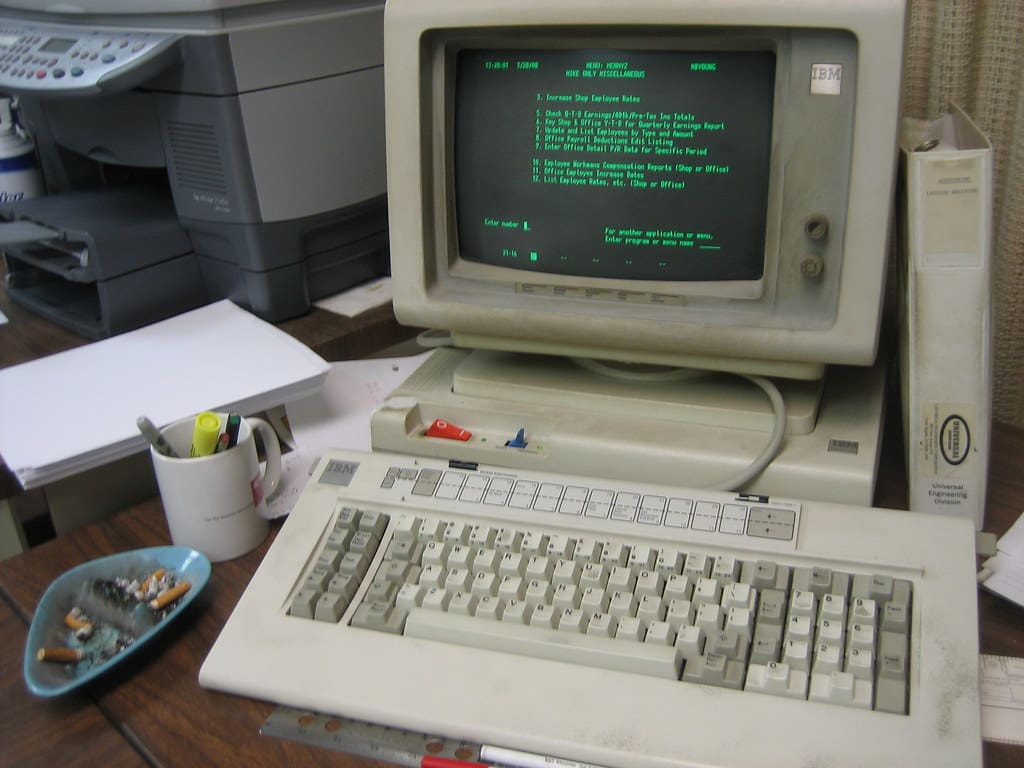
Dumb terminal computers were also standard office tools. These were simply monitors without processing capabilities, which relied on a connection to a mainframe computer to function. These precursors to our modern PCs were clunky and limited in functionality, but they laid the groundwork for the information revolution that was to follow.
Printing Through the Ages: From Dot Matrix to Laser
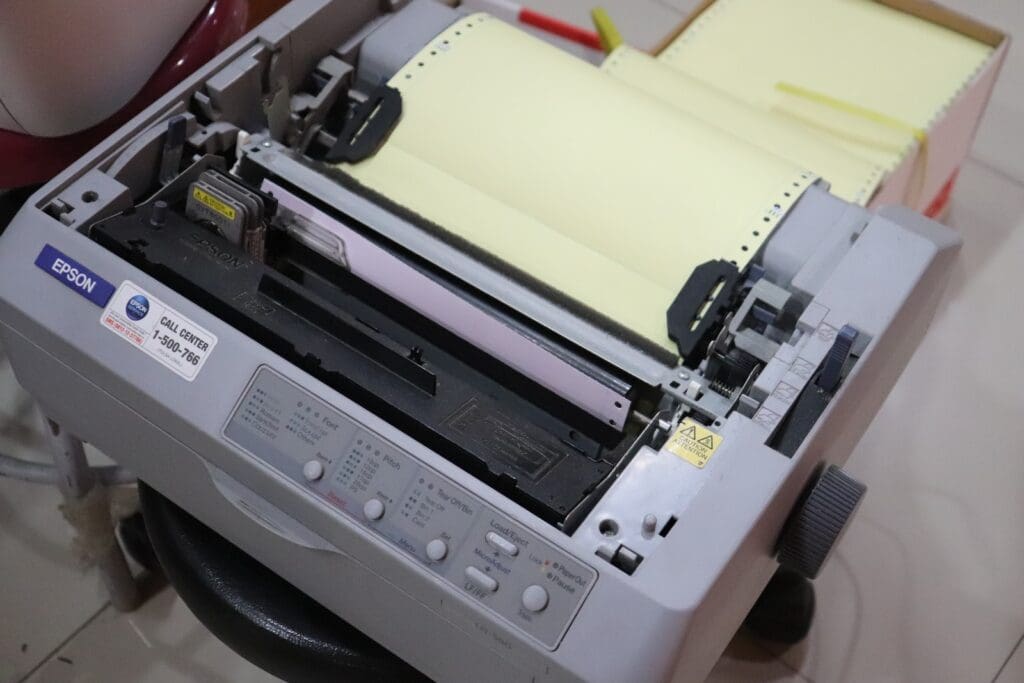
Printing, an integral part of business communication, was revolutionized by dot matrix printers. Despite their noise and less-than-crisp printouts, they were an office mainstay, serving us before the advent of quieter and more efficient laser and inkjet printers.
The Art of Presentation: Overhead Projectors to PowerPoint
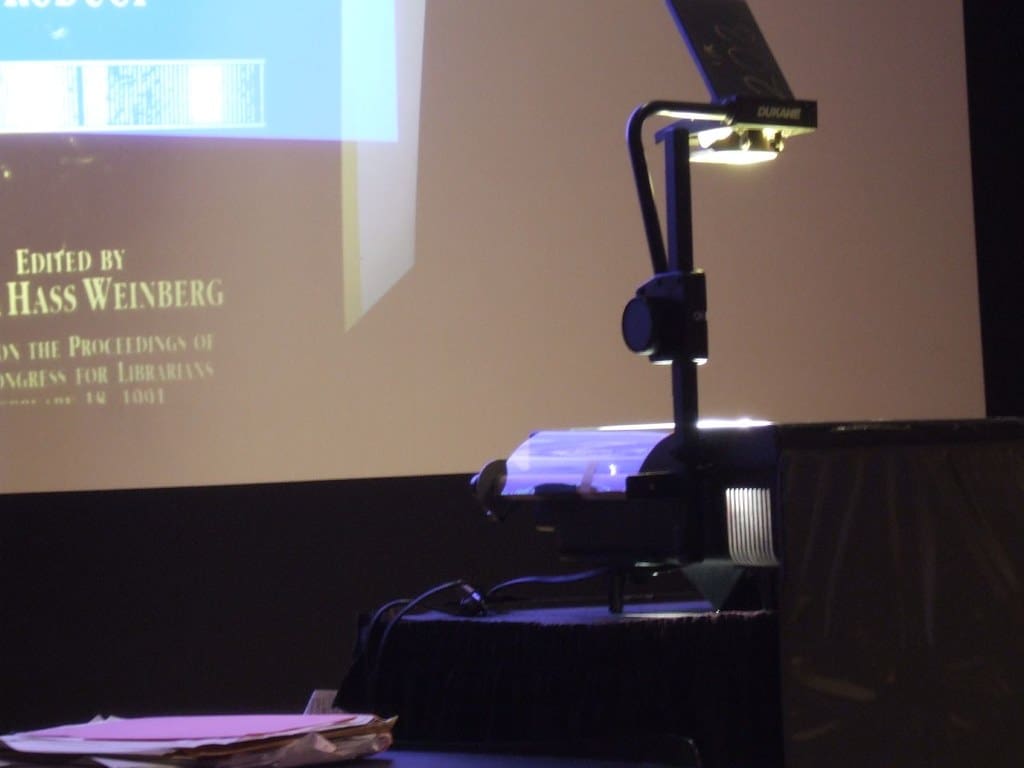
Overhead projectors served as the backbone of office presentations. Transparent sheets, filled with graphs and bullet points, were projected onto screens, paving the way for the PowerPoint and Prezi presentations we utilize today.
Instant Communication: The Pager and Its Modern Successors
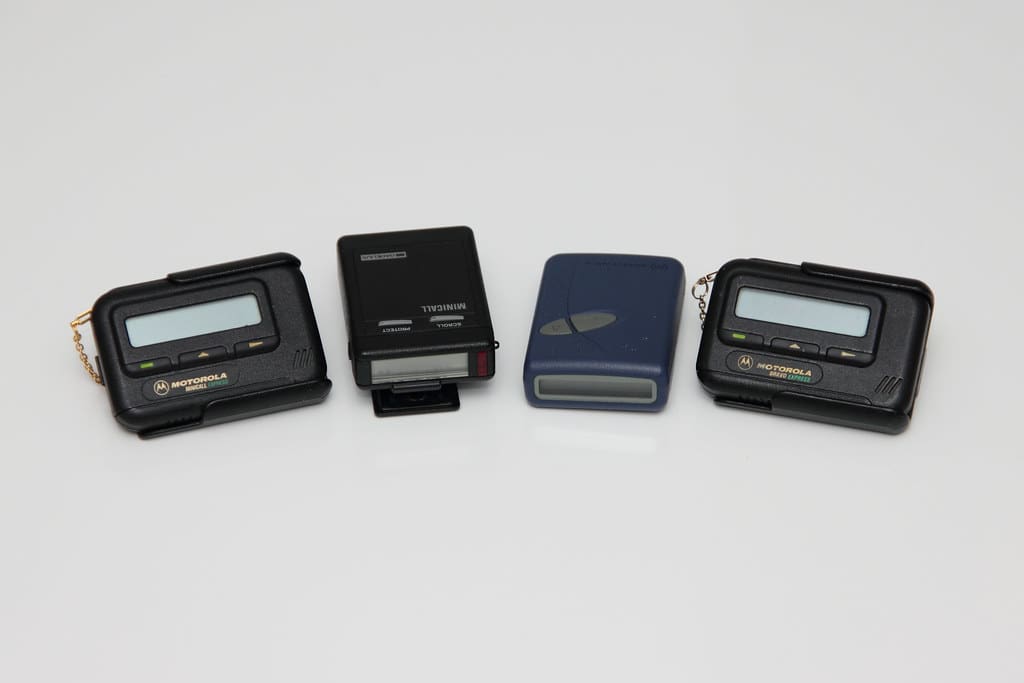
The pager was the office tool for instant communication before the rise of mobile phones. Receiving a page meant rushing to the nearest landline to return the call. It was a symbol of importance, a sign that you were needed urgently, a predecessor to the push notifications that now fill our smartphone screens.
From Ashtrays to Clear Air: The Evolution of Office Health Standards
The ubiquitous ashtray was a testament to a time when smoking was permitted, even normal, in office environments. Laws banning smoking in workplaces began to be enacted in the late 1990s, transforming office environments into healthier spaces.

Directory Search: From Yellow Pages to Google
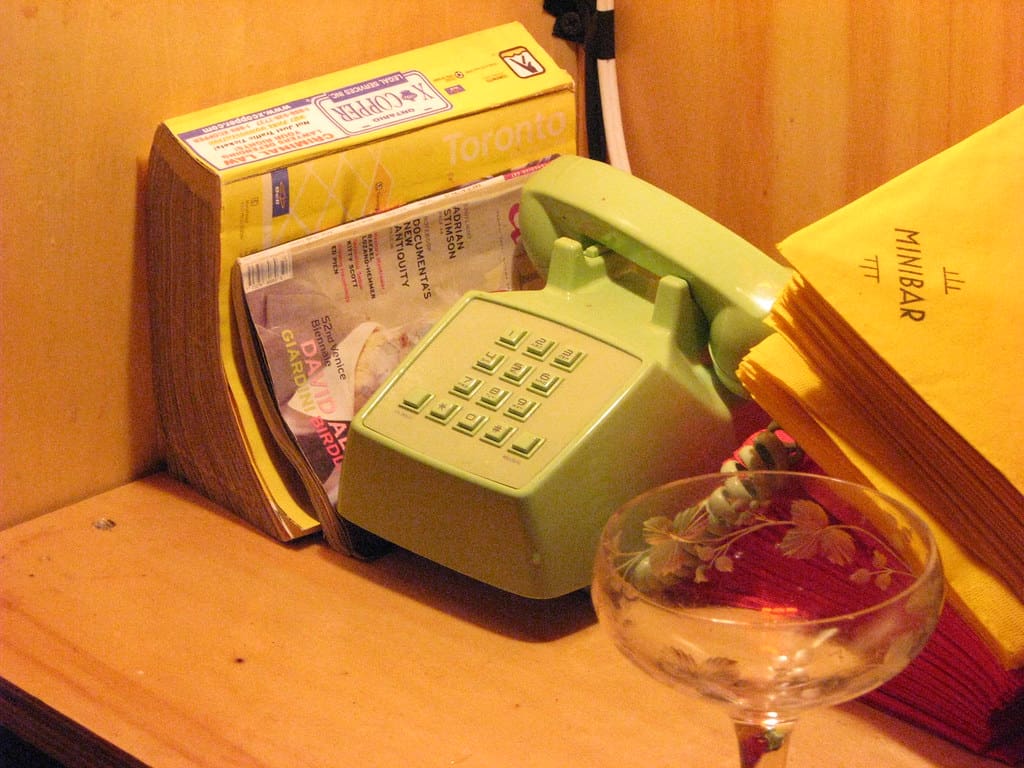
The thick, yellow-paged directories were the Google of their time. The Yellow Pages was the place to find contacts and services, a physical search engine sitting on our desks before the rise of web browsing.
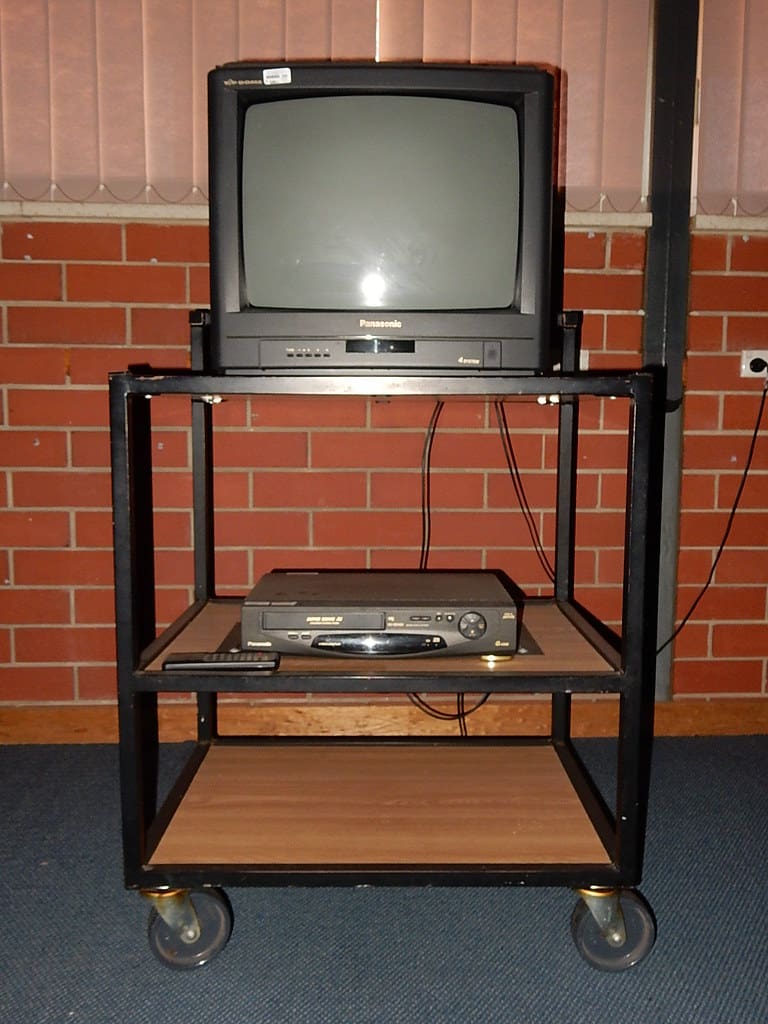
The Age of Analog: VHS Tapes, VCRs, and CD-ROMs
Visual content, in the form of VHS tapes and VCRs, was used for training materials or company updates, a far cry from the high-definition streaming videos we have access to now. Similarly, CD-ROMs were the go-to medium for software installation and data storage, before the cloud floated into our lives.
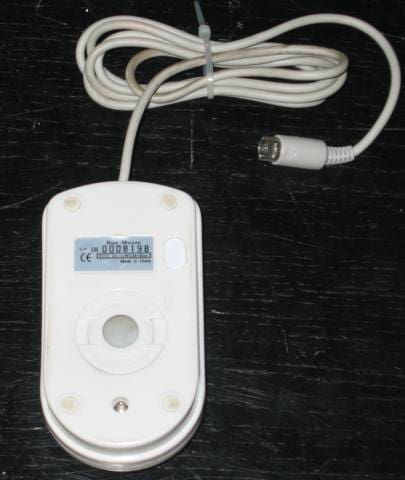
Mouse Evolution: From Trackball to Optical
Even the humble mouse with a trackball was a common tool, helping us navigate our digital workspace before being replaced by sleeker optical mice.
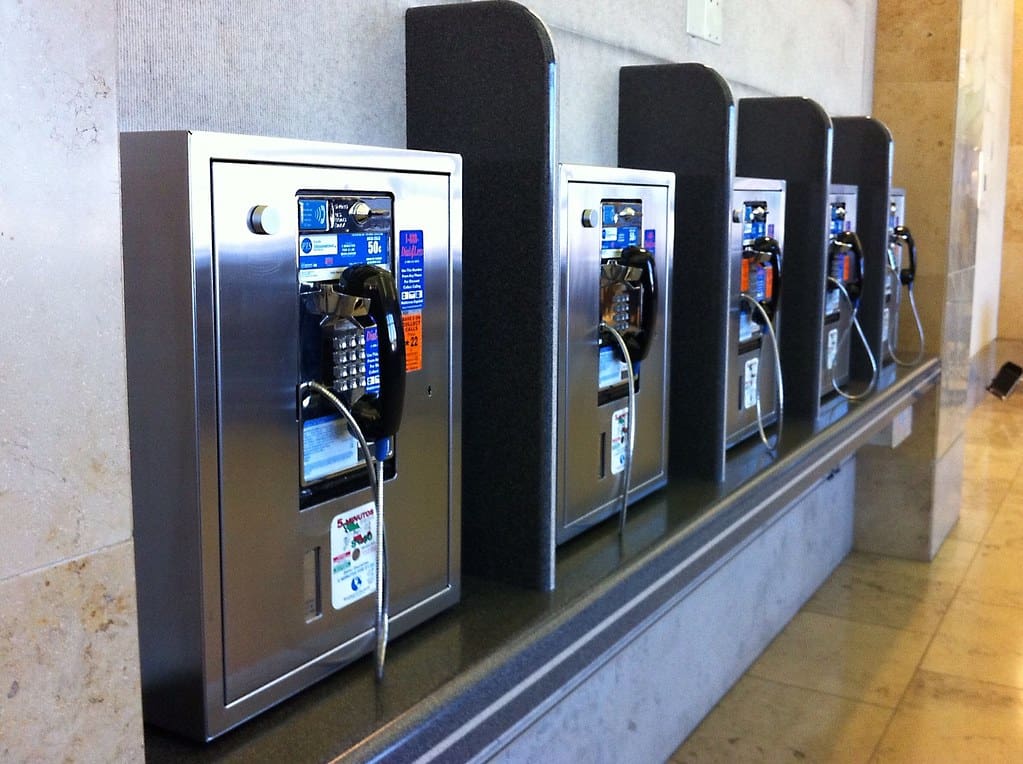
Pay Phones: The Precursor to Personal Mobile Phones
Lastly, the bank of pay phones in the office was the lifeline for employees to make private calls, a stark contrast to today’s personal mobile phones.
The Smartphone Revolution
All these tools, though outdated by today’s standards, were the stepping stones that led us to the current era of digital technology. One of the most transformative tools to emerge from this evolution is the smartphone. Before its arrival, to check emails, surf the web, play music, take photos and film videos, you’d need a PDA or a Blackberry, an MP3 player, a digital camera, a camcorder, and of course, a cell phone. The smartphone consolidated all these functionalities into a single, handheld device, revolutionizing not just the business world, but also our daily lives.
The Digital Leap: The Impact of Modern Tech on Efficiency
Today, we stand on the shoulders of these technological giants, reaping the benefits of decades of digital evolution. We’ve swapped physical contact cards for comprehensive, interconnected LinkedIn networks. Our office workstations are no longer tied down by terminal computers but are portable, compact, and powered by lightning-fast processors. Our pocket-sized devices have more computing power than the machines that put man on the moon.
The Future of Work: What Lies Ahead
The advancements of the past 25 years have shaped our present, and the choices we make today will define the offices of the future. As we adapt to new tools and ways of working, we should embrace the opportunities they present while being mindful of the challenges they pose. One thing is for sure, the office of the future will be built on the digital foundations we’re laying today, just as today’s office stands as a testament to the Rolodexes, dumb terminals, and dot matrix printers of the past.
And so, the evolution continues. As we stand at the precipice of AI integration, virtual reality, and quantum computing, we’re shaping the future of work, building on the lessons of our past, driven by the possibilities of our present.