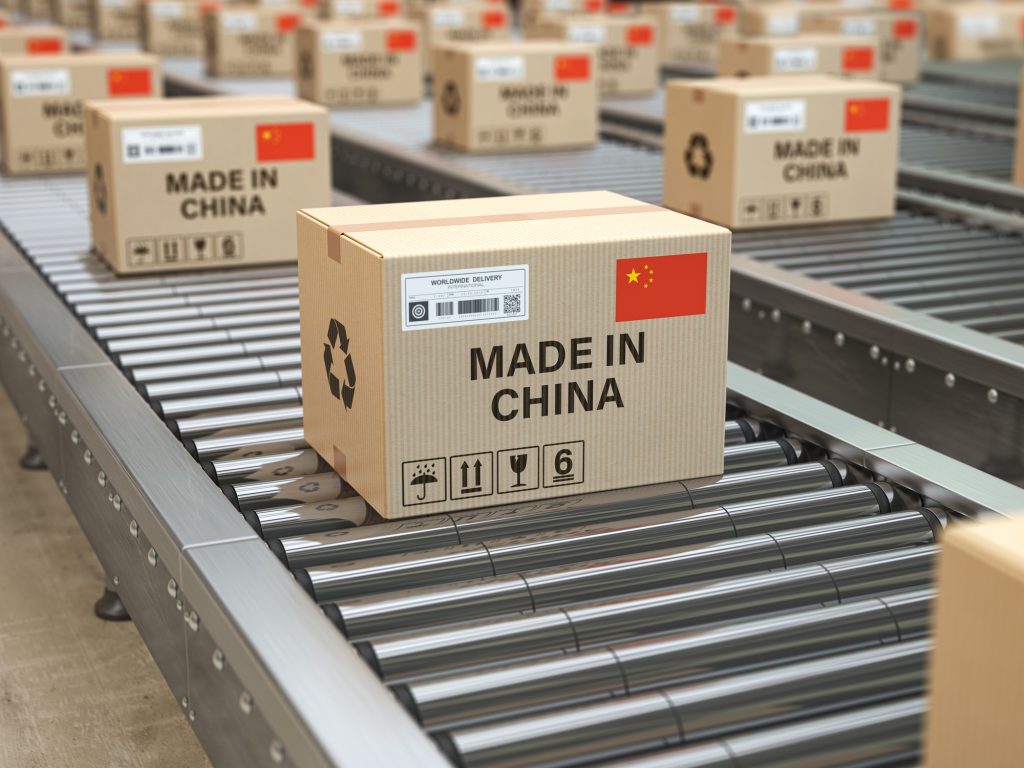

An intellectual property storm is brewing on TikTok, and it could not come at a more delicate time. As federal regulators continue heated negotiations around whether to ban TikTok in the United States, a growing wave of videos is shifting the conversation. These TikToks, posted by Chinese manufacturers, claim to produce goods for elite luxury brands like Louis Vuitton, Lululemon, and Hermès. The videos show factory floors, stacks of high-end looking merchandise, and narrators explaining how these products are made in bulk and sold cheaply to consumers willing to bypass traditional retail.
On the surface, these videos may seem like just another example of social media’s obsession with behind-the-scenes content. But in reality, they raise thorny questions about intellectual property, brand manipulation, and the ethical responsibilities of platforms like TikTok. These posts are not just marketing gimmicks, they may be evidence of an emerging tactic to disrupt Western markets while leveraging economic instability, all while cloaked in the highly personalized, algorithm-driven environment TikTok has perfected.

The Viral Surge
TikTok’s algorithm has made a name for itself by promoting hyper-specific, engaging content that can travel from obscure to viral overnight. Recently, it has become a pipeline for Chinese factory accounts showcasing goods that closely resemble or outright claim to be luxury items. From “Birkenstock” clogs to “Lululemon” leggings, these TikToks target U.S. consumers looking for deals. Some include commentary like, “We make this for [insert luxury brand], but sell to you directly,” often without brand labeling.
This trend comes on the heels of escalating trade disputes between the U.S. and China, most notably the recent round of tariffs on Chinese imports. In this climate, any attempt to reframe global supply chains around direct-from-factory pricing feels not just opportunistic, but strategic.
Copyright Claims vs. Contracts
Luxury brands typically operate with intense secrecy around their supply chains. Non-disclosure agreements and intellectual property clauses are built into virtually every manufacturing contract. Disclosing a brand partnership, especially in such a public and monetized fashion, would constitute a breach of those agreements and likely result in legal consequences.
For this reason, it is extremely difficult to believe that any of the Chinese manufacturers posting these TikToks are legitimate contractors for these luxury houses. As The Verge reported, the companies in question have denied working with the factories featured in the videos, and most are likely not authorized to produce or sell any such branded goods at all (The Verge, 2025).
According to The Times, companies like Lululemon and Adidas have issued public statements rejecting any relationship with these sellers, asserting that their goods are available only through official channels (The Times UK, 2025). Louis Vuitton has reiterated it does not manufacture in China. If true, then the products being promoted on TikTok range from unauthorized replicas to outright counterfeits.
Company Responses
The companies named in these TikToks have not remained silent. Lululemon explicitly denied working with the manufacturers showcased in the videos and reminded consumers that its items are sold exclusively through verified channels. Adidas also stressed that its supply chain does not include direct-to-consumer sales from factories. Louis Vuitton was even more forceful, emphasizing that none of its production occurs in China and warning that counterfeit operations threaten both brand value and customer trust (The Independent, 2025).
These rebuttals are not just defensive brand protection. They are legal clarifications that reinforce the confidential nature of luxury brand manufacturing. Breaching NDAs can end a manufacturer’s relationship with a brand instantly, making the idea that these posts are from authorized sources highly implausible.
The Algorithmic Incentive
One of the more disturbing dimensions of this trend is how effectively it rides TikTok’s algorithm. These videos are designed for virality. They blend industrial ASMR, brand name-dropping, and a veneer of insider access that captivates bargain-hungry viewers. TikTok, in its pursuit of engagement, is unintentionally amplifying what could be a strategic campaign to manipulate Western consumer behavior.
Whether these videos are part of a coordinated effort or simply individual manufacturers exploiting the moment, their sudden ubiquity raises suspicion. The possibility that this wave is being pushed, sponsored, or even state-influenced to exploit a moment of economic and geopolitical vulnerability cannot be dismissed lightly.
A Vulnerable Consumer Base
This moment arrives when many American consumers are feeling the pinch. Inflation, student debt repayments, and wage stagnation make luxury goods feel further out of reach. These TikTok videos offer an illusion of access, a backstage pass to elite consumption without the price tag.
But they also prey on the economically vulnerable, many of whom are unaware that these purchases may support counterfeiting, violate international trade rules, or come with serious quality concerns. The allure of “factory direct” is potent, especially when paired with algorithmic precision that knows exactly who to target and when.
A TikTok Ban, Rekindled
TikTok is already fighting for survival in the U.S., having been dealt a blow from bipartisan support for a ban over national security and data privacy concerns. The current wave of intellectual property exploitation adds another layer of complexity to that fight.
These videos are not just a legal headache for brands. They may also serve as fodder for lawmakers who view TikTok as a threat to U.S. economic interests. The platform’s inability or unwillingness to police this content could be interpreted as negligence at best and complicity at worst. If TikTok is seen as enabling a flood of counterfeit claims that destabilize Western brands, the push for a TikTok ban could intensify dramatically.
And timing matters. As the platform continues negotiations with U.S. lawmakers about its data practices and potential divestiture from ByteDance, the presence of these videos could be a tipping point. If any evidence surfaces that this content surge was incentivized, financially or algorithmically, it would validate some of the very concerns that led to these talks in the first place.
A Broader Crisis of Trademark Trust
The implications stretch beyond TikTok and into the broader digital commerce ecosystem. As consumers become increasingly accustomed to buying based on viral recommendations and unverified claims, the line between legitimate ecommerce and shadow markets begins to blur.
This trend undermines consumer trust, intellectual property protections, and the legitimacy of global trade frameworks. If platforms cannot distinguish between licensed partners and opportunistic impersonators, then enforcement falls on the consumer, a flawed and unsustainable model.
Final Reflection
As a professor and student of business, I find this moment emblematic of the collision between innovation and regulation. TikTok is a brilliant piece of engineering, a tool of mass influence. But with influence comes responsibility. If its algorithm can be gamed to spread potentially illegal content with global trade implications, then it ceases to be just a social platform and becomes a geopolitical actor.
Luxury brands will continue to fight these claims with legal notices and public denials, but the broader issue is systemic. We are witnessing a soft weaponization of the algorithm, one that merges the economic appeal of counterfeits with the psychological precision of behavioral targeting.
If TikTok wishes to avoid a ban, it must act decisively to protect intellectual property, enforce transparent commerce policies, and regain the trust of regulators and consumers alike. The cost of inaction is not just legal exposure, it is existential.