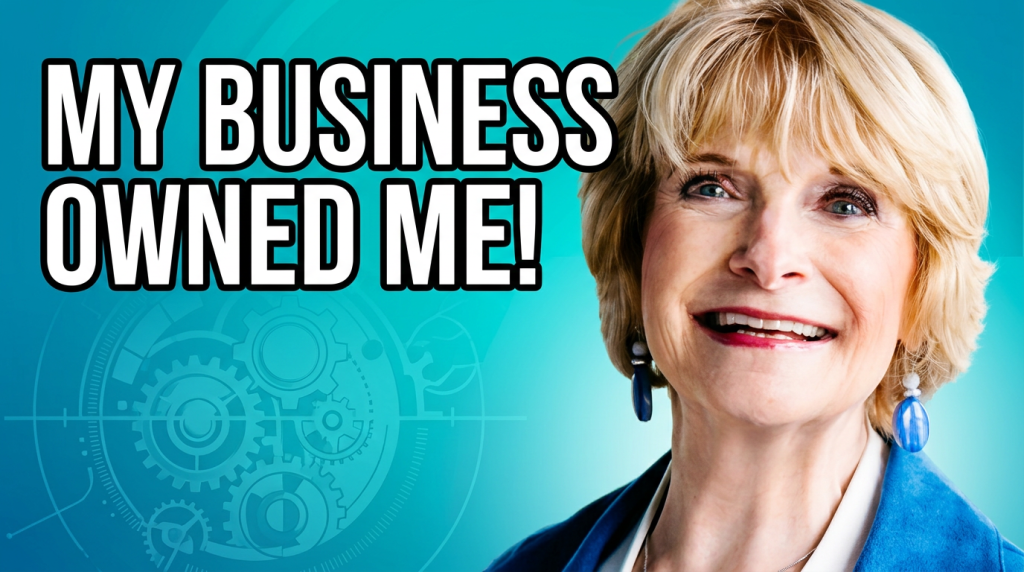

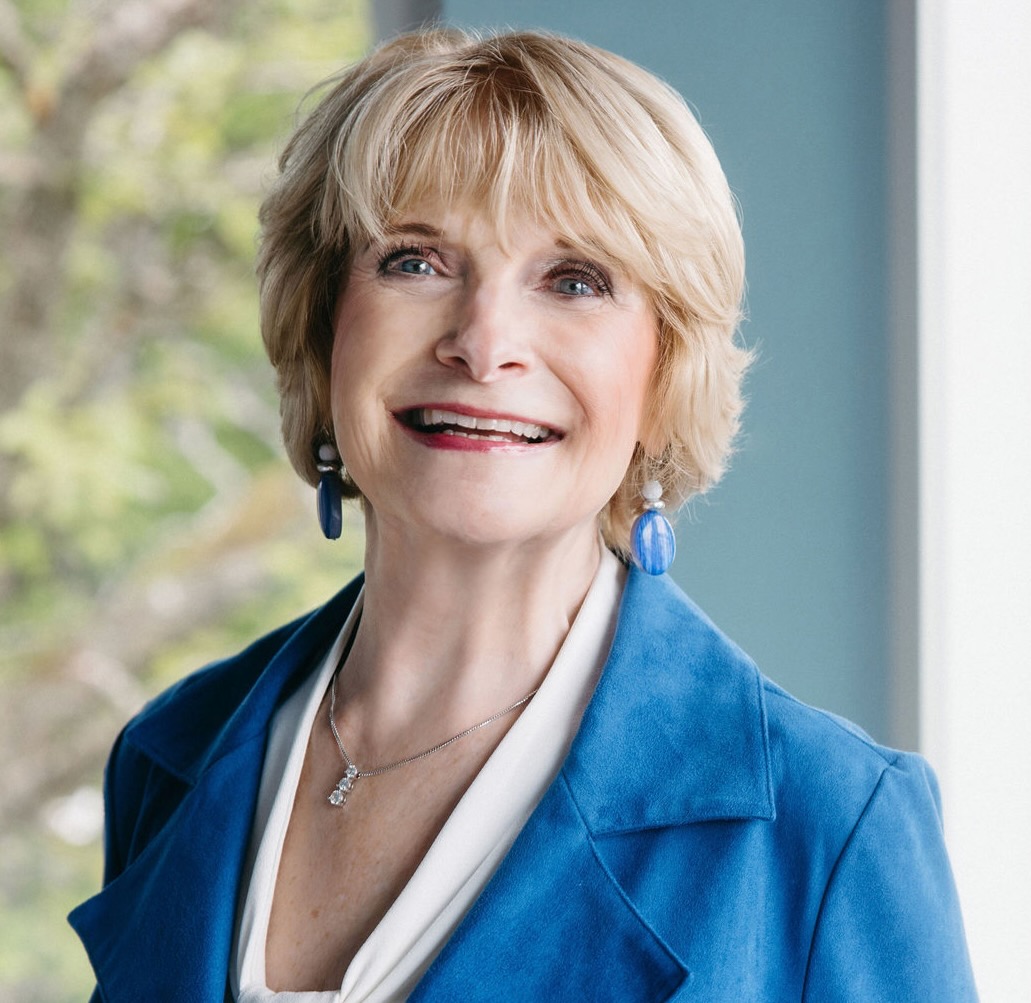
To build a business that runs without you, you have to stop being the bottleneck that every decision flows through and start trusting documented systems, repeatable processes, and a team that is empowered to make the call when you are not in the room. That is exactly what Ral West did. Over 25 years she and her husband grew a small Hawaii travel company into a scheduled charter airline that flew 35,000 passengers a year between Alaska and Hawaii, and they eventually sold the operation to Alaska Airlines. For the last several years of ownership they were rarely in the office, because the company no longer needed them in order to function.
On this episode of DissedMedia: A Startup Story, Ral sat down with host Ben Olmos to explain how she made that shift, and why so many founders end up trapped inside the very thing they built to give themselves freedom. Her story is a practical roadmap for any owner who is tired of being on call every hour of every day.
When the Business Owns You Instead of the Other Way Around
For the first stretch of their entrepreneurial life, Ral and her husband were the business. They handled the bookings, solved the problems, answered the phones, and carried the weight of every decision. They were successful by most outside measures, and completely exhausted by every inside measure. Ral describes a period when their young daughter was eating dinner at the office because that was the only way the family could be together while the work got done.
That is the trap. Most people start a company to gain freedom, and instead they build themselves a job with no off switch. The harder they work, the more the business depends on them, and the more it depends on them, the less freedom they actually have. Ral realized that if she wanted her life back, the goal could not simply be to work harder. The goal had to be to build a company that did not need her in order to survive, an idea explored in depth in our conversation with David Salerno about why true business freedom means building a company that does not need you to survive.
The Art of Delegation, and Why Most Owners Get It Wrong
Ask a struggling owner why they cannot step back and you will almost always hear the same line. I tried to delegate and it did not work. Ral hears that constantly, and her response reframes the entire problem. When delegation fails, it is rarely because the person was incapable. It is because the owner handed off a task without handing off the context, the standard, and the system that makes the task repeatable. Delegation is not dumping. It is teaching, documenting, and then trusting.
She learned this the hard way through redundancy and cross training. In the early days, if one person who knew how to do a critical task was out, the whole operation stalled. So she made sure that no single function lived in only one person’s head. Every important role had a backup, and every backup was trained on the real process, not a vague description of it. That redundancy is what eventually let her walk out the door without the business holding its breath.
Letting go also meant allowing people to make mistakes. Ral talks about shifting from a boss who corrects every error to a coach who lets the team learn by doing. If you swoop in and fix everything, you train your people to bring every problem back to you, and you guarantee that you can never leave. Hiring well and then reclaiming your time is a theme we also explored with Anna Brambilla in her conversation on virtual assistant services for entrepreneurs.
How to Build a Business That Runs Without You
The single biggest lever in building a business that runs without you is documentation. Ral is blunt about this. If a process only exists in your memory, then you are the system, and a company built on one person’s memory cannot scale and cannot be sold. She and her husband wrote down how everything was done, from the smallest customer service step to the largest operational decision, so that the knowledge lived in the company rather than in any one head.
This is the part most owners skip because it feels slow. Writing the manual takes longer than just doing the task yourself, which is true on any single day and false over any single year. Once the process is documented, it can be taught, improved, and repeated by anyone. That is the foundation of a business that runs without you. The systems do the remembering so the people can do the thinking, and the owner is finally free to work on the company instead of inside it.
Open Book Management Turned Her Team Into Owners
One of the most powerful shifts Ral made was adopting open book management, an approach she credits in part to Jack Stack’s The Great Game of Business. Instead of guarding the numbers, she shared them. The team could see revenue, costs, and profit, and they understood how their daily decisions moved those numbers. When people can see the score, they start playing to win.
She paired that transparency with profit sharing, so the team had a direct financial stake in the health of the company. Suddenly the people closest to the work were watching for waste, spotting opportunities, and holding each other accountable, not because they were told to, but because it was their win too. Ral describes a fruit bowl theory of leadership, the idea that you can give your people real freedom within clear boundaries, the way a bowl holds the fruit without controlling each piece. That balance of freedom and structure is what turns employees into something much closer to owners.
Scaling From a Travel Agency to a Charter Airline
The growth itself was not a straight line. Ral and her husband started selling Hawaii vacation packages, and demand kept outrunning capacity. At one point they were so inundated that they had to rethink the entire model. Drawing on mentors and on books like Michael Gerber’s The E-Myth, they stopped working only in the business and started working on it, designing it to scale. That decision eventually carried them all the way to operating a scheduled charter airline moving 35,000 passengers a year.
Because they had built real systems and a capable team, the company became something a buyer could actually take over, which is how the sale to Alaska Airlines became possible. A business that depends entirely on its founder is very hard to sell. A business with documented systems, trained people, and clean numbers is an asset. We unpack that same principle with Tyrus Shivers in his episode on how to build a scalable, fundable, and sellable business, and the parallel to Ral’s journey is striking.
Why Burnout Is a Signal, Not a Badge of Honor
Many founders wear exhaustion like a medal. Ral pushes back on that hard. In her view, burnout is not proof of commitment, it is a warning light telling you that something in the structure of your business is broken. If you are the only one who can keep the wheels turning, the problem is not your work ethic, it is your design. The fix is not another energy drink and a longer day. The fix is building the systems and the team that let the work continue without you.
Scaling the right way is supposed to reduce that pressure, not multiply it. If growth is making your life worse, you are scaling the load instead of scaling the system, a trap we dig into in our guide on how to scale a business without losing your mind or your life. Ral’s whole message is that freedom and growth are not opposites when the foundation is built correctly.
The BOSS Framework: Business Owner Success Strategies
Today Ral teaches owners the same playbook she lived, organized into a framework she calls BOSS, short for Business Owner Success Strategies. It is built on six core principles and delivered through a year round mastermind so that owners are not just handed information, they are supported while they actually implement it. The throughline of all six principles is leverage, getting more result from systems and people rather than from your own raw hours.
The biggest obstacle she sees is not strategy, it is willingness. Many owners say they want a business that runs without you, but they are quietly unwilling to give up control, because their identity is wrapped up in being needed. Real freedom starts the moment you decide that being indispensable is a problem to solve, not a status to protect.
Connect With Ral West
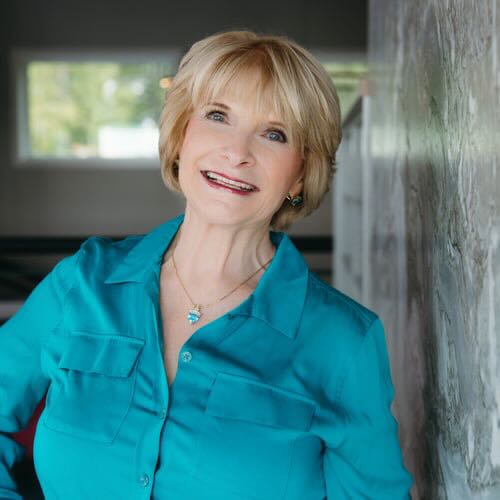
You can learn more about Ral West and her work helping owners build a business that runs without you at her website, ralwest.com. Connect with her on LinkedIn and subscribe to her YouTube channel for more on systems, delegation, and scaling without burnout.
Frequently Asked Questions
How do you build a business that runs without you?
You build a business that runs without you by documenting every important process, training a team to follow and improve those processes, and removing yourself as the single point of failure. Ral West recommends creating redundancy so no critical task lives in only one person’s head, sharing the numbers through open book management so the team understands how their work affects results, and then stepping back far enough to let people learn and make decisions on their own.
Why does delegation fail for so many business owners?
Delegation usually fails because owners hand off a task without handing off the context, the standard, and the documented system behind it. That is not delegation, it is abandonment. When you teach the process, set a clear standard, and allow room for people to learn from small mistakes, delegation becomes the engine that frees you instead of a source of frustration.
How did Ral West sell her business to Alaska Airlines?
Ral West and her husband grew their Hawaii travel company into a scheduled charter airline carrying 35,000 passengers a year, then sold it to Alaska Airlines. The sale was possible because they had built a business that runs without you in practice, with documented systems, a trained team, and transparent financials. That structure turned the company from a founder dependent job into a sellable asset a larger airline could absorb.