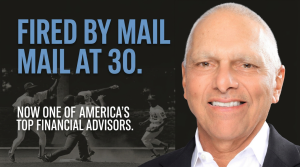
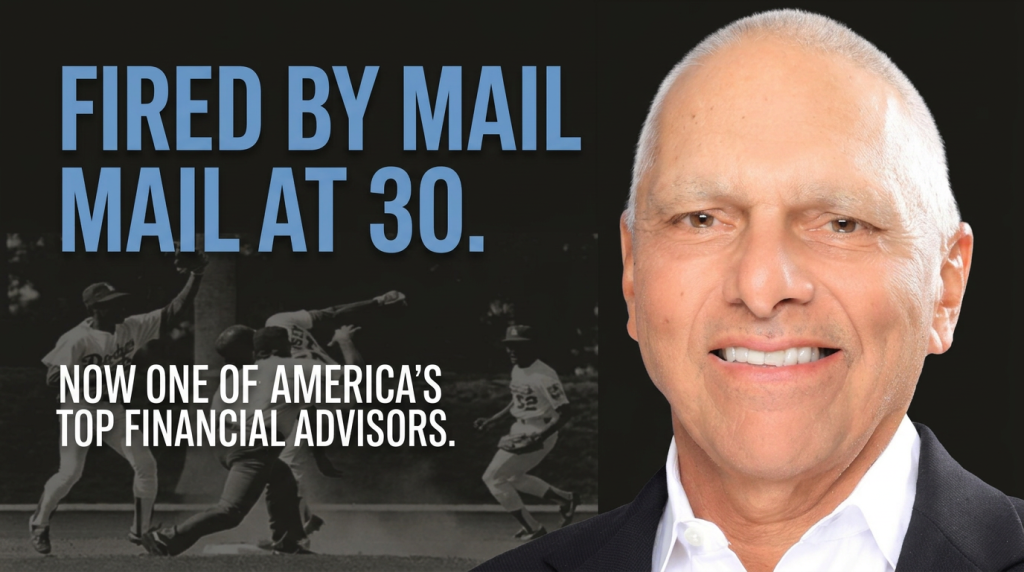

Financial independence rarely starts with a plan. For Jack Oujo, it started with a registered letter that ended his career as a professional baseball umpire at 30, broke, embarrassed, and with a baby on the way. He rebuilt from there, first in insurance sales, then in tax and wealth management, eventually becoming one of the top financial advisors in the country. His path to financial independence came down to a handful of decisions most people never make deliberately: planning for the worst case first, treating income taxes as the real budget problem, and hiring for quality even when it costs more up front.
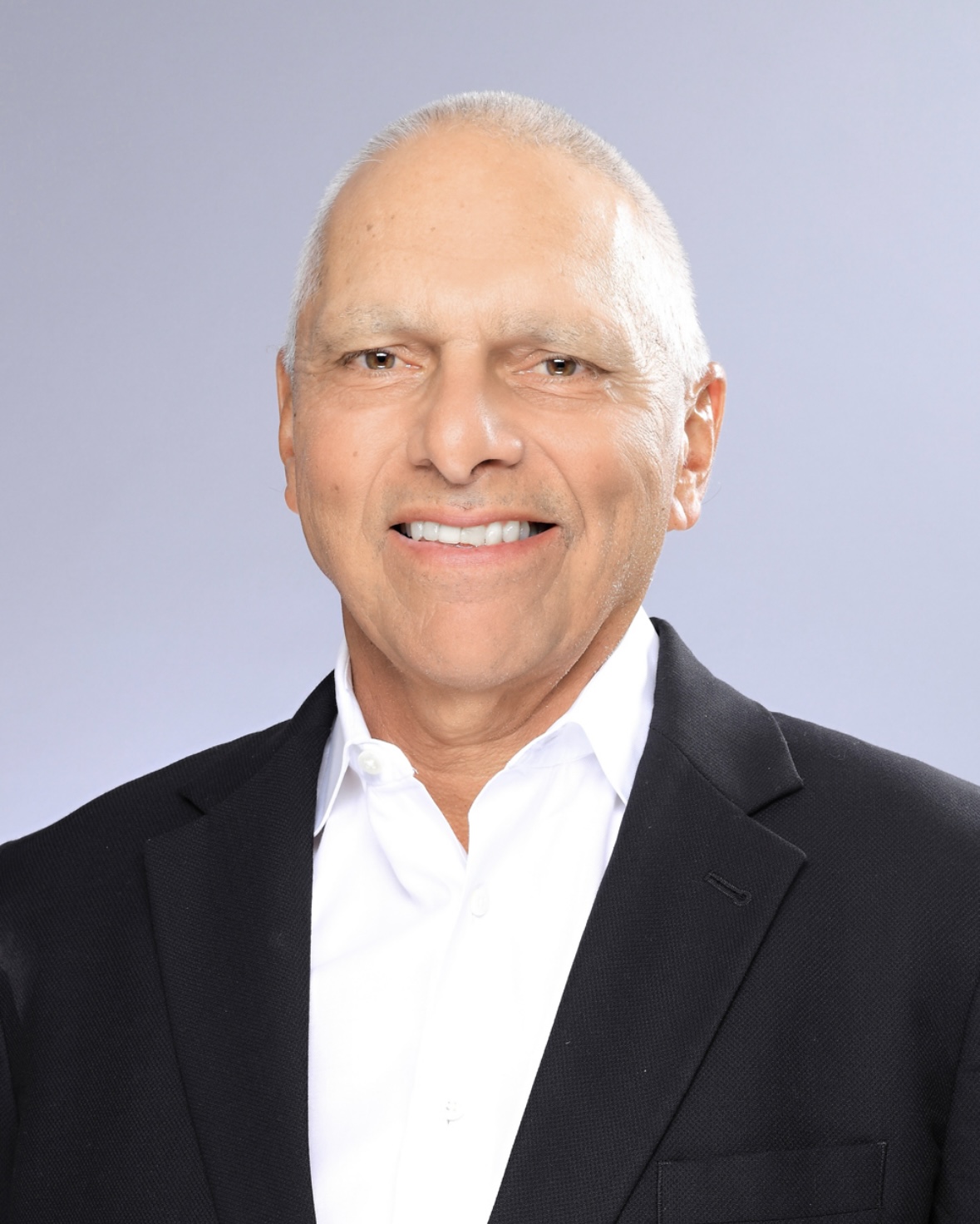
From Umpire to Financial Advisor: How Jack Oujo Reinvented His Career
Jack spent eight years working toward a Major League umpiring job, moving through the minor league ranks one season at a time. The letter arrived without warning. No phone call, no meeting, just a form notice that his contract would not be renewed. He was thirty years old, married, and about to become a father, with no backup career and no savings to speak of.
He took the only path that opened up: selling life insurance on straight commission. It was not glamorous work, and he was not immediately good at it, but it forced him to learn how people actually think about money, risk, and the decisions they put off. That foundation eventually pointed him toward tax and wealth management, where the same instincts he built calling plays at second base, staying calm, reading the situation, and making a decision under pressure, turned out to transfer directly.
Within a few years he was the top-producing advisor at his firm. He later started Oujo Wealth Strategies, financed in the early days on borrowed credit cards because no bank would lend to a former umpire with no track record in finance. The firm grew into one of the more recognized tax-focused wealth management practices in the country, built almost entirely on the discipline of planning for what could go wrong before celebrating what might go right.
Why Worst Case Scenario Planning Builds Financial Independence
Umpires do not get to react emotionally to a bad call. They make a decision, live with it, and move to the next play. Jack carried that same discipline into financial planning, and he argues it is the single biggest difference between clients who build lasting financial independence and clients who stay anxious about money no matter how much they earn.
Most financial planning starts with a best case: the market returns eight percent a year, the business keeps growing, the job stays secure. Jack starts every client relationship with the opposite question. What happens if the market drops thirty percent the year you retire? What happens if you lose your job next month? What happens if a health issue takes you out of work for a year? Clients who have already answered those questions, on paper, with a real plan attached, make calmer decisions when a downturn actually happens. This kind of stability is less about maximizing the upside and more about removing the scenarios that would force a bad decision under pressure.
This is also why Jack pushes back on clients who want to carry a large mortgage balance into retirement purely to keep money invested in the market. The math might work out on a spreadsheet, but a retiree with a paid-off house has fewer bad-case scenarios to worry about than a retiree with a mortgage payment and a portfolio that could drop in a bad year. He draws the line specifically at leverage that removes flexibility exactly when flexibility matters most, especially heading into retirement.
The Tax Mistake That Quietly Blocks Financial Independence
Ask most people what their biggest annual expense is, and they will say their mortgage or their rent. Jack’s answer is different: for most working professionals, income taxes cost more per year than housing does, and almost nobody plans around that fact the way they plan around a mortgage payment.
The fix he walks clients through most often is simple on paper and rarely done in practice: max out pre-tax retirement contributions before doing almost anything else with extra income. It lowers the current tax bill and builds the retirement account at the same time, which means the same dollar is solving two problems instead of one. Jack has watched clients delay this for years because a 401k contribution feels less exciting than paying down debt or making a big purchase, even when the math clearly favors the tax move.
Financial independence, in Jack’s framework, is built less by finding a clever investment and more by removing the leaks that quietly drain a household’s income every year. Taxes are the biggest and least discussed leak most families have.
Hiring Lessons From Building a Financial Advisory Firm
Building Oujo Wealth Strategies taught Jack a second lesson that had nothing to do with markets: cheap hires are expensive. In the early years, he hired based on who cost the least and could start the soonest. Nearly every one of those hires cost him more in redone work, client friction, and turnover than a stronger candidate at a higher salary would have.
The lesson reshaped how he thinks about growth generally, well beyond staffing alone. Paying for quality, whether that is a hire, an accountant, or a piece of software, is often a form of the same worst case scenario thinking he applies to client portfolios. A cheaper option that fails at a critical moment is rarely actually cheaper once the cost of that failure gets counted.
Teaching Kids to Understand Money and Financial Independence
Jack’s approach to raising financially literate kids follows the same throughline as his professional advice: attach real numbers to real decisions early, rather than treating money as a taboo subject at home. He has walked his own children through the actual cost of different career paths, the real math behind a college decision, and what a starting salary in a given field can and cannot support.
His goal is to make sure his kids choose a career with open eyes, understanding the tradeoffs, rather than discovering the financial reality of a choice years after making it. He sees this as one of the highest-leverage things a parent can do for a child’s future: normalizing money conversations early enough that the numbers stop feeling scary or shameful by the time a child has to make a real decision about them.
How to Start Building Financial Independence After a Setback
Jack’s story resonates because most people who eventually build financial independence do it after a setback rather than on a straight line. The specifics of his path, from a release letter to a commission-only insurance job to running his own firm, are unusual, but the underlying pattern is not. He rebuilt by making a decision, learning fast, and refusing to treat the setback as a final verdict on what came next.
That pattern shows up in a lot of the reinvention stories on this site. Andrew Brummer’s career reinvention after 50 follows a similar arc, starting over from very little and building three companies on the other side of it. The shift in thinking that makes reinvention possible is also covered in more detail in our breakdown of a career mindset versus a job mindset, which gets at why some people treat a setback as the end of a plan and others treat it as the start of a new one.
Frequently Asked Questions
What is financial independence and how do you actually build it?
Financial independence means having enough income from savings and investments to cover your living expenses without depending on active work. Jack Oujo’s approach to building it centers on worst case scenario planning, maxing out pre-tax retirement contributions to solve two problems with one dollar, and removing financial leaks like unplanned tax exposure before chasing higher returns.
Why do income taxes cost more than a mortgage for most people?
Most households budget carefully around their mortgage or rent because it is a fixed, visible number. Income taxes are usually larger over the course of a year but get paid in smaller, less visible increments through payroll withholding, so most people never total up the real cost or plan around reducing it the way they plan around housing.
How did Jack Oujo become a financial advisor after being a baseball umpire?
Jack Oujo spent eight years working toward a Major League umpiring career before his contract was not renewed at age 30. He started over in commission-only life insurance sales, which led him into tax and wealth management. He eventually became the top-producing advisor at his firm and founded Oujo Wealth Strategies.
Should you pay off your mortgage before you retire?
Jack Oujo generally recommends paying off a mortgage before retirement when possible, since it removes a fixed monthly obligation at the exact point in life when income becomes less predictable. He views this as a worst case scenario decision rather than a pure math decision, since a paid-off house reduces how much can go wrong in a bad year.
About Jack Oujo
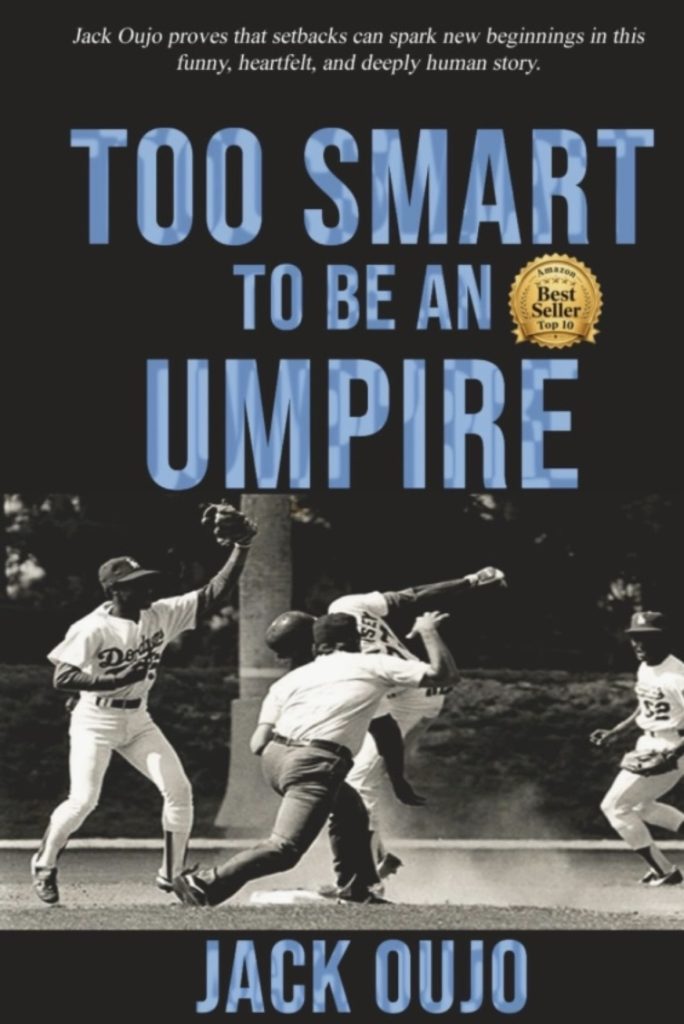
Jack Oujo is the founder of Oujo Wealth Strategies and the author of “Too Smart to Be an Umpire,” which tells the full story of his path from professional baseball to the top of the financial advisory industry.
Book: Too Smart to Be an Umpire
Website: Oujo Wealth Strategies