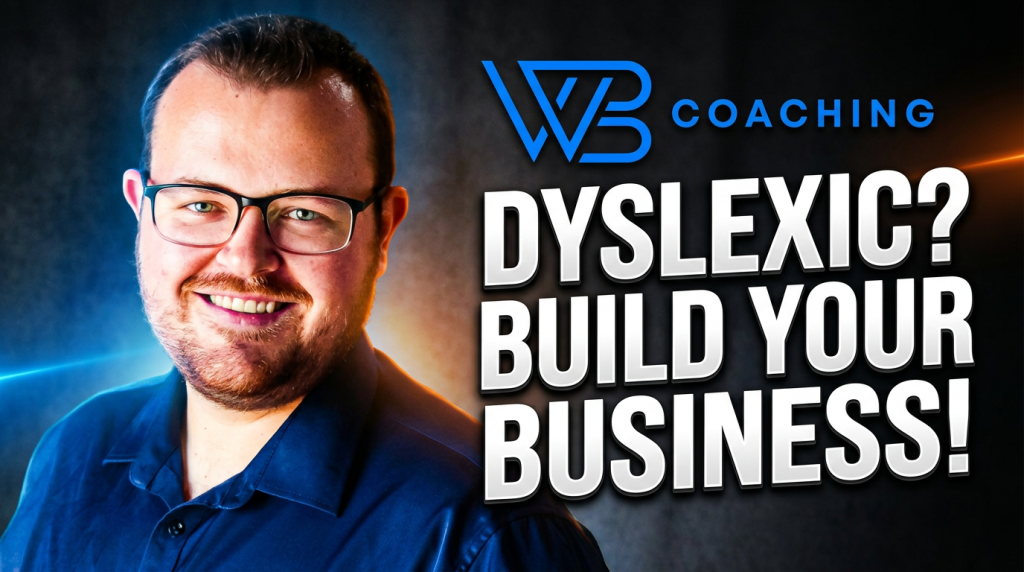

To overcome analysis paralysis, the fastest path is rarely more information or a stricter schedule; it tends to be a small, structured next step taken before the mind has room to spiral through every possible outcome. That is the position Willie Blake, founder of WB Coaching, takes with the entrepreneurs and professionals who come to him, many of whom are dyslexic or otherwise think in ways that do not move in a straight line, and rather than treating that difference as something to manage quietly, Willie has built an entire coaching practice around designing for it.
Willie has carried this message across more than five hundred stages and upward of one hundred sixty podcast episodes, by his own account, and on this episode of DissedMedia: A Startup Story he sits down with host Ben Olmos to unpack what happens when a founder finally stops fighting the way their brain works and starts building around it instead. The conversation moves through why standard productivity advice tends to backfire for non-linear thinkers, what a genuinely different morning might look like in practice, and how a free framework called the GPS Method can help someone move from stuck to moving within a single week.

Why Generic Discipline Advice Fails Non-Linear Thinkers
Most productivity advice assumes a brain that processes one task at a time, in order, without much resistance to repeating the same routine every morning, and for a person whose thinking loops back on itself, jumps between ideas, or gets stuck weighing options that all seem plausible, that advice tends to produce guilt rather than results. Willie’s clients often arrive having tried the standard toolkit already, things like color-coded planners and five a.m. wake-up calls built around raw willpower, and what they discover instead is that trying harder inside the wrong structure rarely closes the gap. It usually just adds a layer of self-blame on top of an already difficult problem, which is part of why so many founders trying to overcome analysis paralysis end up more stuck rather than less. Willie’s read on this, based on years of coaching people who are dyslexic or otherwise think differently, is that the fix is seldom a more disciplined version of the same system; it is usually a different system altogether, one built around how a person’s attention and energy actually move through a given day rather than how a productivity book assumes they should.
What Building a Business Around Your Natural Operating Style Actually Means
Building around your natural operating style does not mean abandoning structure altogether, and Willie is careful to draw that distinction with clients who hear the phrase and assume it grants permission to skip anything uncomfortable. A business still has obligations that do not bend to anyone’s preferred working style: invoices still need to go out, and clients still expect responses within a reasonable window. Willie’s coaching addresses those constraints directly rather than pretending they do not exist. What changes is the scaffolding a founder puts around those obligations. A dyslexic founder who struggles with written follow-up may build a voice-memo-to-text workflow instead of forcing themselves through email at a desk, and someone whose best thinking happens while walking may restructure client calls to happen outdoors rather than in a chair facing a screen. The obligation stays fixed; the path to meeting it gets redesigned around the person actually meeting it.
Treating Neurodivergence as a Design Constraint, Not Something to Hide
A lot of language in the neurodivergent business world leans on the word superpower, and Willie pushes back on that framing gently but consistently throughout the conversation, preferring the language of a design constraint instead. A constraint, in his framing, is something real that shapes what a workable system has to account for, in the same way a building’s foundation shapes what an architect can put on top of it. It is neither an excuse nor a hidden gift; it is simply a fact a person has to design around if the business is going to hold up. This distinction matters practically. Clients who arrive believing their brain is a superpower waiting to be unlocked sometimes skip the harder work of building actual scaffolding, while clients who arrive believing their brain is only a deficit to manage often burn out trying to force themselves into someone else’s mold. The middle position, treating it as a constraint worth designing around, tends, however, to produce more durable businesses than either extreme. A related tension shows up in Overthinking vs. Rationalizing: How to Make Better Decisions Under Uncertainty, where the difference between a thinking pattern that serves you and one that stalls you often has less to do with raw intelligence and more to do with the structure a person puts around their own decision-making.
How the GPS Method Helps You Overcome Analysis Paralysis
Willie built the GPS Method as a free, one-page framework for people who recognize themselves in this conversation but are not yet ready to invest in coaching, and its three components map directly onto the moments where founders tend to get stuck. Get clear asks a person to name, specifically, what decision or task they are avoiding, since vague avoidance is much easier to sustain than avoidance of one named thing. Plan the route asks for the smallest next physical action rather than the whole plan, because the whole plan is usually what triggers the paralysis in the first place. Start moving is the step people resist most. It requires acting before the plan feels complete, and Willie argues that a person seeking to overcome analysis paralysis almost always has to tolerate an uncomfortable amount of incompleteness before momentum takes over and the picture gets clearer on its own. Willie has watched this pattern repeatedly in his own client base: the founders who stay stuck longest are rarely the ones lacking information. They are usually the ones waiting for a level of certainty that additional analysis will never actually provide.

Where the Line Sits Between a Constraint and an Excuse
The hardest question in this entire conversation, one Ben pushes Willie on directly, is how a founder tells the difference between honoring a genuine constraint and simply avoiding something difficult. Willie’s answer centers upon outcome rather than intention: a constraint-based adjustment still gets the underlying obligation met, just through a different path, while an excuse tends to make the obligation disappear entirely. If a founder restructures how they handle client email but clients still get timely, thoughtful responses, that is a constraint being designed around. If the restructuring quietly results in clients waiting weeks for a reply, that is very likely an excuse wearing the language of neurodivergent accommodation rather than a genuine attempt to overcome analysis paralysis in a way that still serves the business. This same tension appears in a related piece on this site, The ‘No-Goals’ Strategy, How Entrepreneurs Can Use Cognitive Flexibility to Outperform Goal-Setters, which looks at how flexible, non-linear planning can outperform rigid goal-setting for certain founders, provided the flexibility stays tied to real outcomes rather than serving as cover for avoiding them.
About Willie Blake and WB Coaching
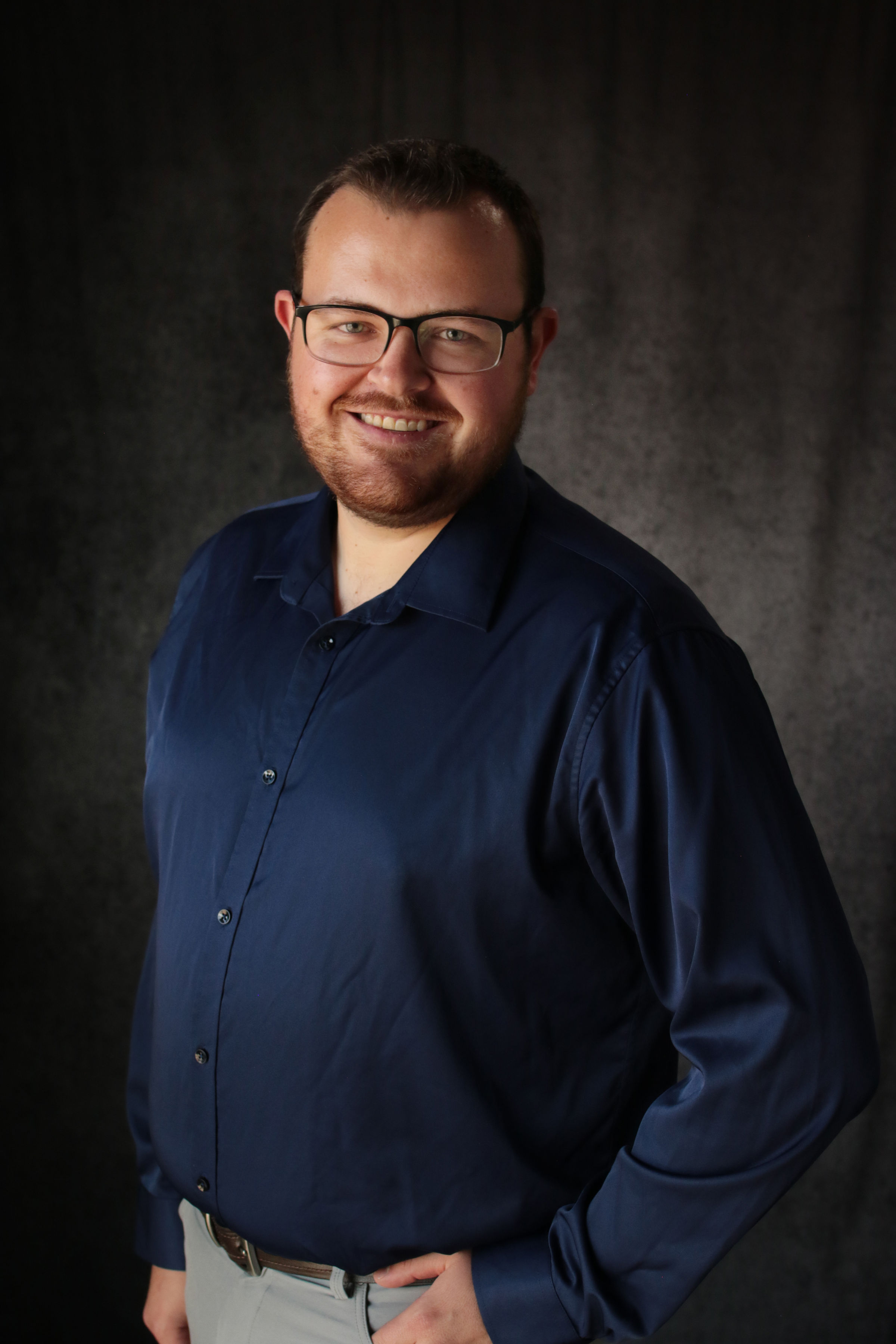
Willie Blake founded WB Coaching to work with entrepreneurs and professionals who are dyslexic or otherwise think differently, helping them build businesses and careers around how their brains actually operate instead of fighting that reality daily. He has spoken on more than five hundred stages and hosted upward of one hundred sixty podcast episodes, according to his own account, and he currently promotes the GPS Method as a free entry point for anyone who wants to start applying this thinking without committing to coaching first.
Website: https://coachwillieblake.com
LinkedIn: https://www.linkedin.com/in/willieblake-light/
YouTube (Dyslexic Achievers Hub): https://www.youtube.com/@DyslexicAchieversHub
Facebook: https://www.facebook.com/WillieBlake.Light/
Instagram: https://www.instagram.com/willieblake_light/
Frequently Asked Questions
What is analysis paralysis and why does it happen?
Analysis paralysis describes the state of being unable to move forward on a decision because the number of options, or the weight given to getting it right, has grown large enough to freeze action altogether. It tends to happen most to people who are conscientious enough to want the right answer and imaginative enough to generate several plausible ones at once. Willie’s read on this, drawn from years of client work, is that people trying to overcome analysis paralysis usually need a smaller first step rather than a better analysis, since the analysis itself is often already sufficient long before the person feels ready to act on it.
How is dyslexia connected to entrepreneurship?
There is no evidence that dyslexia causes entrepreneurial success, and Willie is careful not to overstate the connection. He does point out, however, that many of his clients developed workaround thinking early in life simply to get through a school system built for a different kind of learner, and that same workaround instinct can seemingly translate into the kind of resourcefulness entrepreneurship rewards. The connection, in other words, may run through adaptability rather than through dyslexia itself.
What is the GPS Method?
The GPS Method is a free, one-page framework Willie Blake built around three steps: get clear on the specific thing being avoided, plan only the next physical action rather than the whole path, and start moving before the plan feels complete. It is designed as an entry point for someone who wants to begin working through their own analysis paralysis without committing to a full coaching engagement first.
Can you run a business without following a strict daily routine?
Yes, though Willie’s coaching distinguishes between abandoning routine altogether and building a routine that fits how a specific person’s attention and energy actually move through a day. The underlying obligations of running a business do not go away: being responsive to clients and staying financially organized still matter regardless of how a founder’s brain works. What changes is the path a founder takes to meet them, which for a non-linear thinker may look considerably different from a conventional nine-to-five structure.
Watch the Full Episode
The complete conversation between Ben Olmos and Willie Blake is available below, covering everything from Willie’s own dyslexia diagnosis to the exact moment in a founder’s week where analysis paralysis tends to take hold.