

The Scale of Student Loan Debt in the U.S. Economy
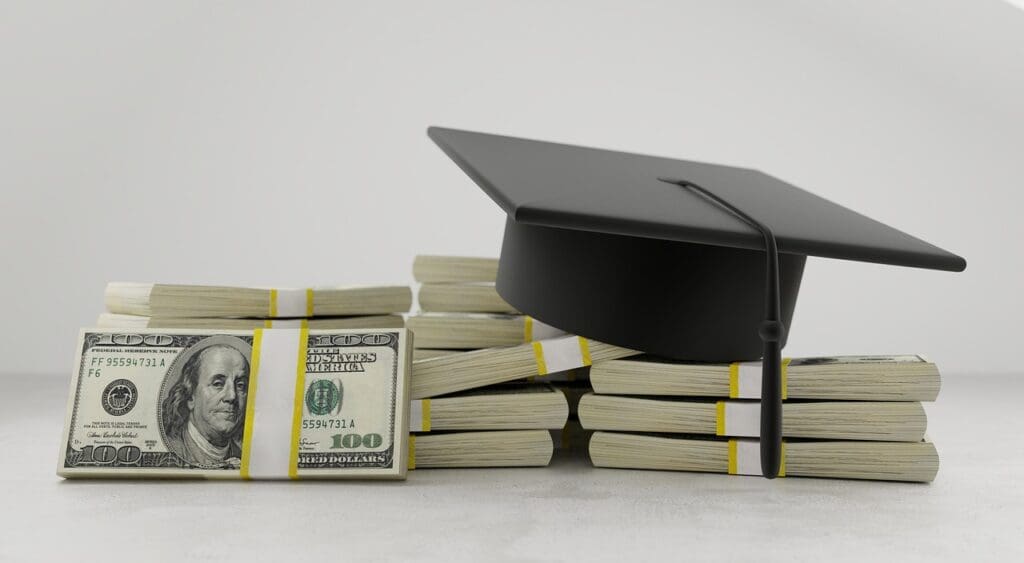
Student loan debt represents a significant portion of the U.S. economy. As of 2023, the cumulative total of student loan debt in the U.S. surpassed $1.7 trillion, accounting for almost 40% of outstanding consumer debt in the country. Over 43 million Americans have federal student loan debt, with an average balance of $37,338. This debt surpasses the GDP of countries like Australia, Spain, and Mexico and is more than double that of Saudi Arabia and Switzerland.
During the COVID-19 pandemic, the federal government implemented a pause on student loan repayments, effectively diverting billions of dollars from debt servicing to other areas of spending. This pause acted as a form of economic stimulus, providing a financial reprieve for millions of borrowers and injecting money into various sectors of the economy.
The Shift in Spending Habits and Its Impact
As the pause on student loan repayments comes to an end, a shift in spending habits is expected. Borrowers will need to allocate a portion of their income to service their student loans, reducing their discretionary spending. This shift could have significant implications for the economy, particularly for sectors that heavily rely on consumer spending.
Retail and restaurant businesses, for instance, may feel the pinch as consumers cut back on dining out and non-essential purchases. The travel industry, which is still recovering from the pandemic, may also see a decrease in bookings. These changes could be particularly challenging as they coincide with the Christmas holiday season, a period typically characterized by increased consumer spending.
The Potential Economic Challenges Ahead
The resumption of student loan repayments comes at a time when the economy is grappling with rising inflation. The Federal Reserve has been closely monitoring inflation rates and continues to consider raising interest rates to curb inflation. This situation could exacerbate the financial strain on borrowers and businesses alike.
Consumers, faced with the dual pressure of loan repayments and inflation, may look for ways to cut spending. This could lead to a decrease in demand for certain goods and services, potentially leading to price drops in some sectors. On the other hand, businesses may be forced to raise prices to cover increasing costs, further fueling inflation.

Opportunities Amid the Challenges
Despite the potential economic challenges, the resumption of student loan repayments could present opportunities for some. Borrowers who were able to save money or pay off their loans during the pause may find themselves in a favorable position. As businesses strive to attract customers, these consumers may benefit from lower prices and deals, particularly in sectors like travel and dining.
Furthermore, the shift in spending could lead to a further stabilization of the supply chain for goods such as used cars or home prices. As demand decreases, prices in these sectors could become more affordable, benefiting those in a position to make such purchases.
Looking Ahead: Navigating the Economic Impacts of Student Loan Repayments
While the resumption of student loan repayments could present challenges, it’s important to remember that the economy is dynamic and resilient. Adjustments will be made, and new opportunities will arise. However, it’s clear that the next year to 18 months could be a period of economic adjustment as the effects of the student loan repayment resumption ripple through the economy.
In the meantime, it’s crucial for borrowers to prepare for the resumption of repayments. This includes reviewing their financial situation, exploring repayment options, and seeking financial advice if needed. As we navigate this period of economic change, staying informed and prepared will be key to managing the impacts of student loan repayments.