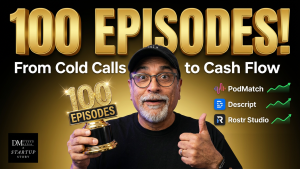
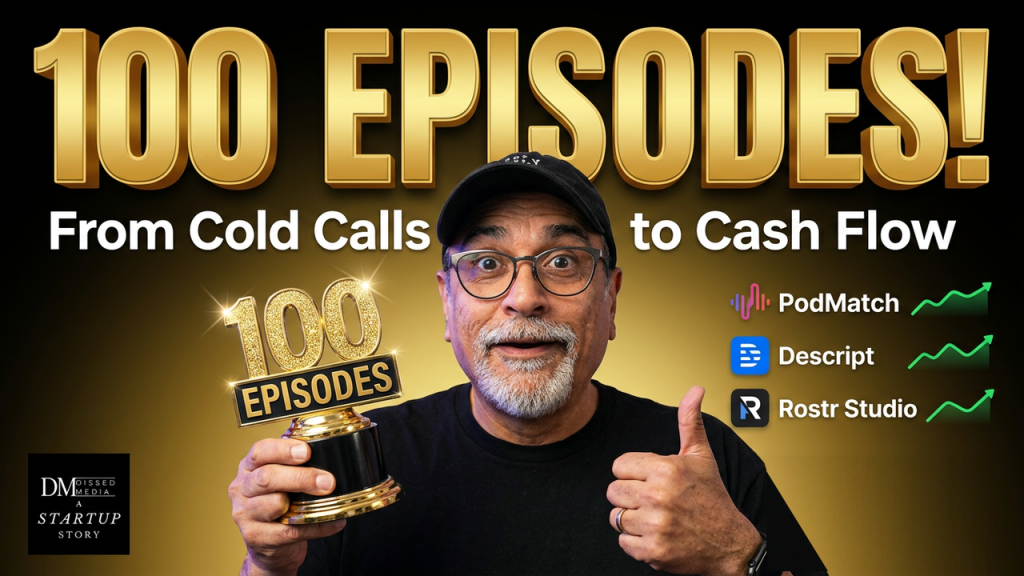

Bootstrapping a media company looks straightforward from the outside, since the equipment is cheap and the software is mostly subscription-priced; however, the real cost shows up in the recurring line items, the hours of editing, and the long stretch before anyone is listening. Episode 100 of DissedMedia: A Startup Story steps away from the usual guest interview and gives the behind-the-scenes accounting instead, covering what the show has cost to run, how the guest pipeline came together, and what came out of the backlog that followed.
Where the show took its turn
The early episodes were heavily produced, built around episodic storytelling, and they took far more editing than a one-person operation could sustain while a website was also being built from scratch. What changed the direction, a little over a year ago, was a PodFest event in Atlanta, where conversations with other podcasters made it clear that the medium had shifted considerably since an earlier attempt at this about ten years ago. The writing-first approach that DissedMedia had been leaning on seemingly was not reaching people, and the podcast turned out to be the format that could hold business, technology, research, and behavioral science in the same place.
How the guest pipeline grew
The first wave of guests arrived by cold email from bookers and PR firms, which is how the earliest names on the roster found their way onto the show. Ben Albert’s Grow Getters Only network brought the next wave, and PodMatch brought the wave after that, at which point the volume of interest began to outrun a once-a-week release schedule; ramping to two episodes a week helped for a while, though the backlog kept building.
What does it cost to bootstrap a podcast?
DissedMedia started with $5,000 of seed money that has long since been spent, and the ongoing cost of the software, the servers, and the tools that drive the show runs roughly $2,500 to $3,000 a year. Put against the things people spend on without much hesitation, season tickets to a sport they follow, annual passes to a theme park, regular travel, or a year of dinners out with friends, the number can be understood as an education expense that also happens to produce something. The show has recently turned the corner on covering its operational expenses, although it has not broken even on the total investment, which is worth saying plainly since so much podcasting advice skips past the arithmetic.
Building Rostr Studio out of the bottleneck
Managing intake through a mix of email, calendars, and a booking platform became unworkable once the guest volume climbed, and the fix started as a simple subdomain where people could fill out a form and get on the calendar. What became clear in the course of building it was that other hosts were monetizing through production fees rather than ads, and that no software existed to manage booking, intake, and those fees in one place. That became Rostr Studio, which earned about $125 in its first week, entirely from guests who chose to contribute, and which now runs most of the operation behind this show.

The workflow behind every episode
A guest reaches out or comes in through PodMatch, gets a link to the intake form, and everything from there books itself onto the calendar without manual steps. On the day of the recording, an AI research tool pulls the guest background and question set, and after taping, the first-pass edit happens in Descript, followed by CapCut for the intro, lower third, outro, and thumbnail card. Keyword and thumbnail research run through vidIQ and Semrush, the finished file goes to Podbean for distribution across the podcast platforms, and the YouTube version gets its own thumbnail and its own optimized description; clips follow a couple of weeks later, dropping once a day across Facebook, LinkedIn, Instagram, TikTok, X, and Threads.
Is podcasting worth the investment?
For this show the answer has been unequivocal, although the return has arrived as learning, relationships, and a software product rather than as early revenue. Anyone weighing the same question may find it useful to treat the first year as tuition, to keep the recurring costs visible, and to look for the bottleneck in the process, since that bottleneck can turn out to be the most valuable thing the show produces.
What comes next: Better @ What You Do
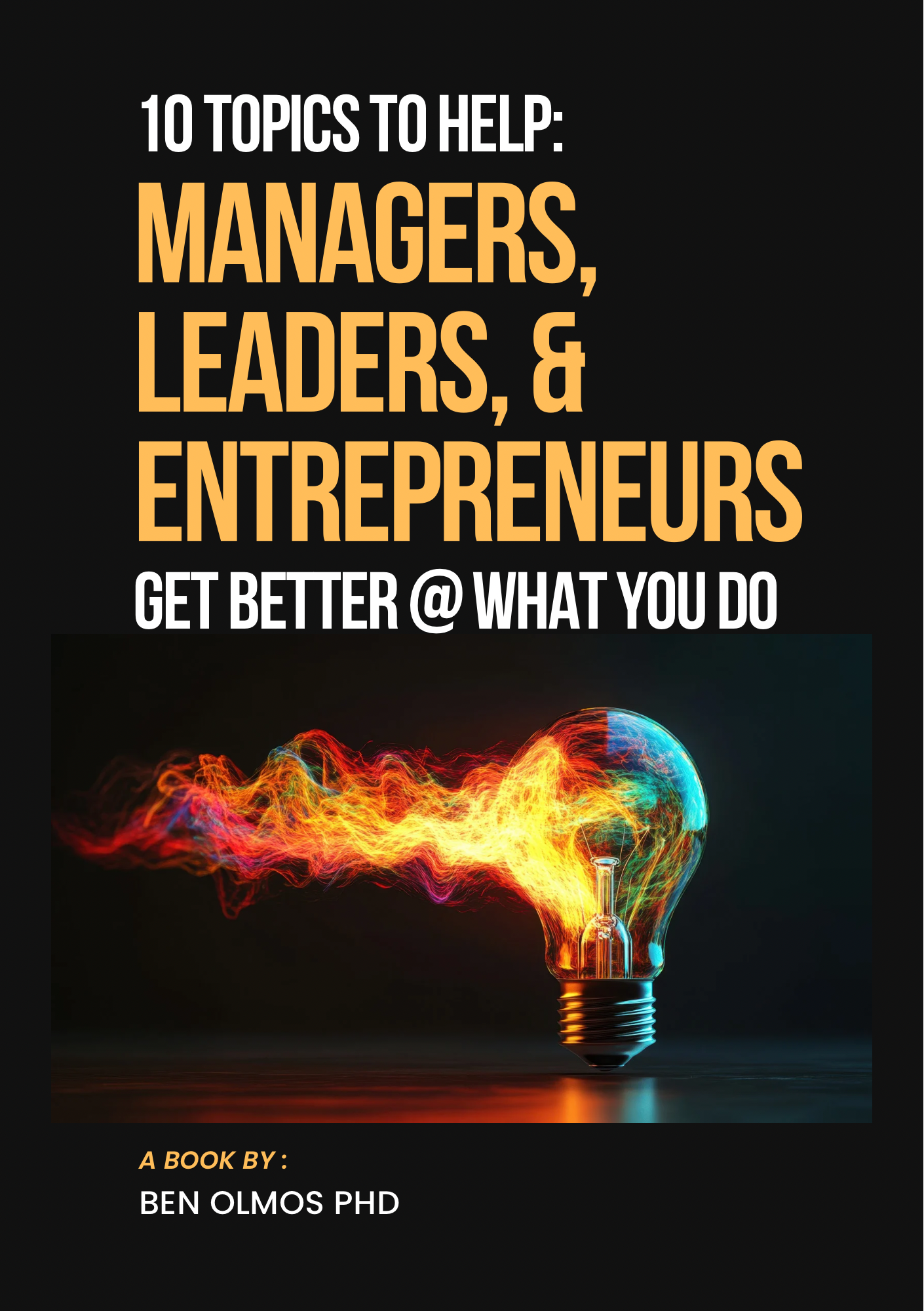
The episode closes with the announcement of a new panel-format show, Better @ What You Do, taken from the book 10 Topics to Help Managers, Leaders & Entrepreneurs Get Better at What You Do. So many one-on-one conversations have ended right as they were getting started, and a panel of several smart people at the same table may give those conversations the room they need. The inaugural episode is in the edit now, and the show will run on the DissedMedia feed alongside the one-on-one interviews before eventually moving to its own channel.
Watch episode 100
The full episode covers the thanks owed to the advisory board and to former co-host Alan Landriel, the PodFest turning point, the economics of bootstrapping a podcast, and the announcement of the new panel show. Watch it here: DissedMedia: A Startup Story, Episode 100 on YouTube.
More at dissedmedia.com, rostr.studio, and benolmos.com.