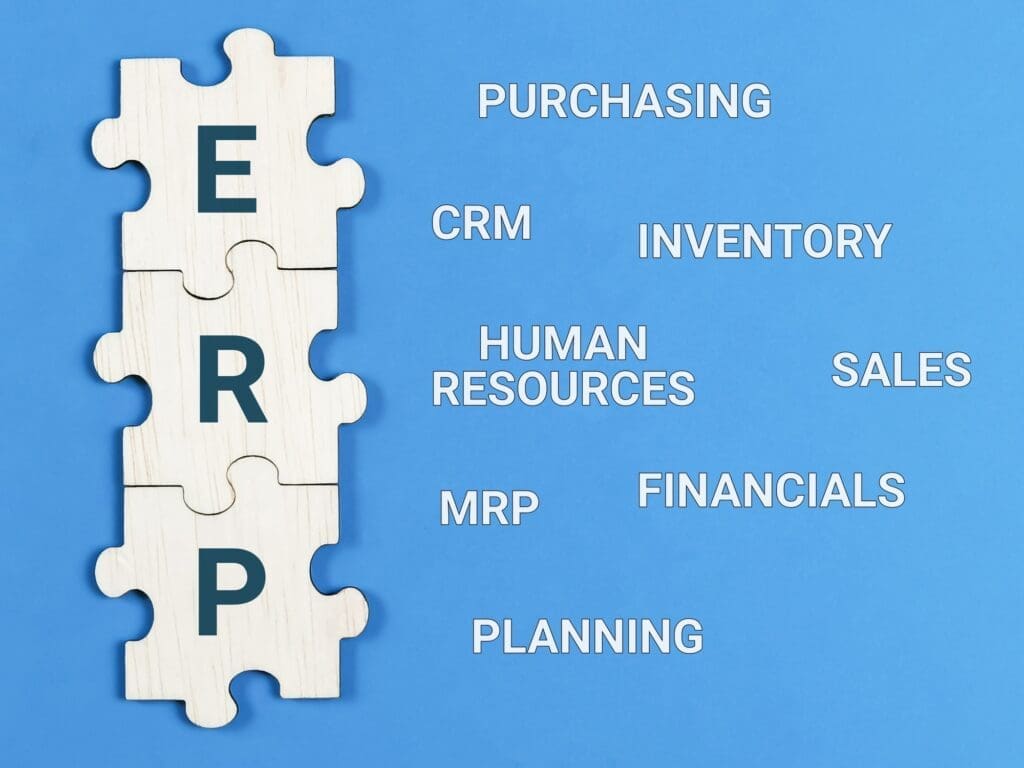

Implementing an Enterprise Resource Planning (ERP) system is a significant undertaking for any organization. Central to the success of ‘Empathy in ERP Implementation’ is not just the technological aspect but also how leaders manage the human side of this transition. This article explores the pivotal role of empathy and emotional intelligence in navigating the complexities of ERP implementations, ensuring a smooth and effective transition for all involved.
The intricacies of ERP implementation are not merely technical but deeply rooted in the organizational culture. Leaders need to understand the psychological impact of this change. Addressing concerns, clarifying doubts, and providing continuous support are critical. Transparent communication regarding the progress and benefits of the new system can go a long way in aligning the team with the organizational vision, thereby smoothing the transition.
Empathy: Understanding the Impact of Change
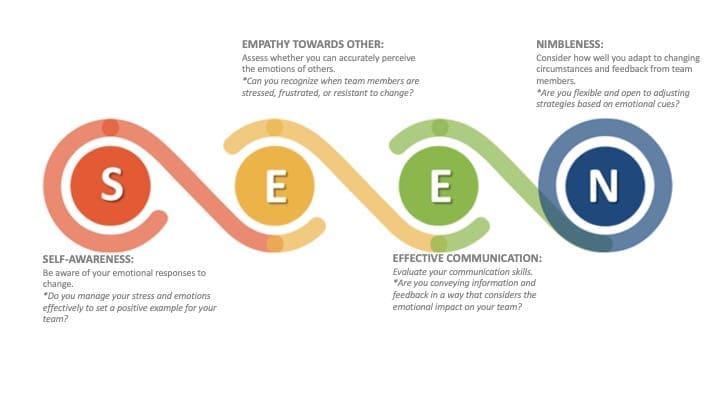
At the heart of a successful ERP implementation is empathy. This crucial skill enables leaders to step into the shoes of their employees, understanding and acknowledging their concerns and apprehensions. Empathetic leaders are adept at sensing the undercurrents of resistance and addressing them proactively. By showing genuine concern for their team’s well-being, they can build a trusting and open environment, where feedback is encouraged and valued.
Furthermore, empathy allows leaders to tailor their approach to meet the varied needs of their team members. Recognizing that each individual may respond differently to change, empathetic leaders can devise personalized strategies to help their team adapt. This might include additional training for those who need it, one-on-one sessions to address specific concerns, or team-building activities to foster a sense of unity and collaboration.

Emotional Intelligence: Managing Emotions Effectively
Leaders with high emotional intelligence (EI) are pivotal in steering an organization through the emotional landscape of an ERP implementation. They are adept at recognizing their emotions and managing them effectively, which is crucial in maintaining a positive and productive work environment. This skill is especially valuable in times of change, where stress and anxiety can run high. By managing their emotions, leaders set a precedent for their teams, encouraging a culture of emotional awareness and regulation.
These leaders also play a crucial role in empathizing with their team members, understanding their emotional responses, and providing the necessary support to navigate through these changes. They can identify signs of stress and burnout early, taking proactive steps to address these issues. This might involve implementing stress management workshops, promoting work-life balance, or offering flexible work arrangements to accommodate the additional demands of the transition period.
Empathy and EI: Key Pillars in ERP Success
The successful implementation of an ERP system is as much about managing the human element of change as it is about the technical aspects. Incorporating empathy and emotional intelligence into the fabric of the ERP implementation strategy can significantly enhance the process. These qualities help in creating a supportive environment, reducing resistance, and fostering a culture of adaptability and resilience. As organizations navigate through the complexities of ERP implementation, leaders who prioritize empathy and emotional intelligence will not only ensure a smoother transition but also strengthen the overall organizational health.