
Key Takeaways
- Abi Asija built a successful land flipping business, generating over seven figures without debt through strategic purchases and sales.
- Land flipping presents a unique opportunity, as many investors overlook raw land, which can be acquired for low prices and sold at higher returns.
- Abi emphasizes the importance of selling over buying; to succeed, entrepreneurs must develop a robust online sales operation.
- Due diligence is crucial in land flipping; investors must understand hidden factors like wetlands and environmental issues to avoid costly mistakes.
- Customer lifetime value is key; nurturing existing relationships can lead to repeat sales and sustainable revenue growth in land flipping.
For anyone who has ever searched for a real path from nine to five to entrepreneur, the story of Abi Asija is worth paying close attention to. Abi built a seven figure business through land flipping, buying raw land investing opportunities in the desert southwest for as little as $5,000 and selling them for two to five times his purchase price, all without taking on a single dollar of debt. What started as two parcels listed on eBay became a debt free real estate operation that has completed more than 700 deals across the United States over eight years.
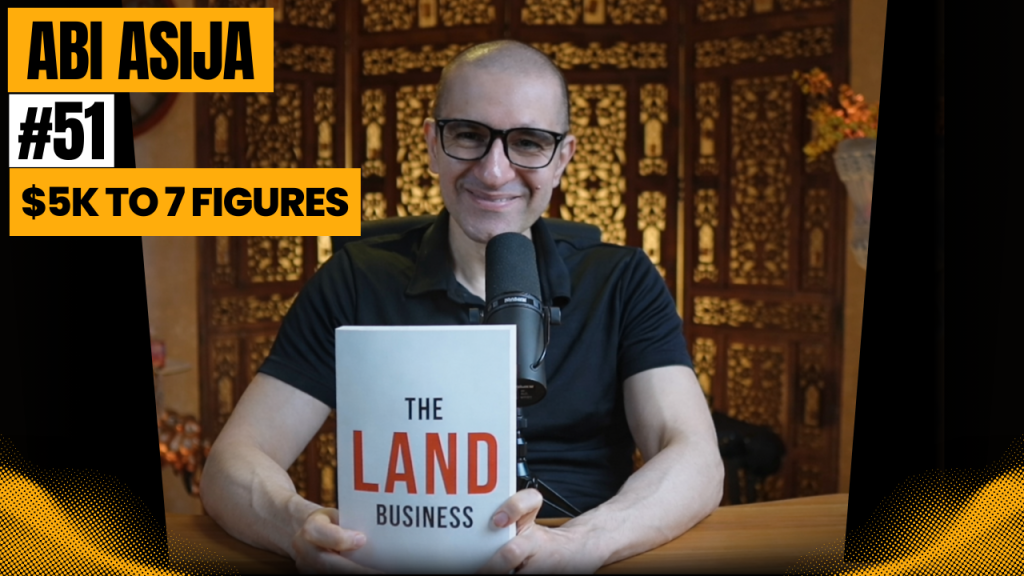
In Episode 51 of DissedMedia: A Startup Story, host Ben Olmos sat down with Abi to unpack the business principles, hard lessons, and unconventional strategies behind that journey. This conversation goes well beyond real estate. It is a masterclass in business fundamentals that applies to any entrepreneur at any stage.
Land Flipping: The Opportunity Most Investors Walk Right Past
When most people think about real estate investing they think houses, apartments, or commercial properties. Raw land investing rarely enters the conversation. And that is exactly why Abi saw an opportunity.
The premise behind land flipping is straightforward. Parcels of raw land across the desert southwest, Nevada, Arizona, New Mexico, and California, are available at prices that most investors would dismiss as too small to bother with. Quarter acre lots in New Mexico can be purchased for as little as $500. Five acre desert parcels can be acquired for $5,000 and sold for $10,000 to $12,000. The returns are real, the barriers to entry are low, and the demand is far stronger than most people expect.
Who is buying this land? The answer surprised Abi when he first got started. People buy raw desert land for recreational purposes, bringing RVs and camping on their property on weekends. They buy it for legacy purposes, wanting to own something outright and pass it on to their children. Some buyers want an off grid setup with solar panels and a small shed. Others are making a speculative play, betting that rural areas will appreciate over time just like gold or collectible coins.
The demand is real and it is consistent. Land flipping works because of that demand, not in spite of the lack of utilities or development.
Why the Secret to Land Flipping Is Selling, Not Buying
One of the most important insights Abi shares in this episode is that anyone can buy land. You can participate in county tax auctions, send direct mail letters, or make cold calls and people will sell. That is not the hard part.
The hard part is disposition, getting the land sold. And that requires building a real online sales operation.
Because raw land investing deals at this price point do not attract real estate agents, the commission on a $10,000 property simply does not justify the time, entrepreneurs in this space have to learn online marketing and sales from scratch. That means drone photography and videography, boundary line mapping, a functioning website, a sales team comfortable on Zoom calls, and a genuine ability to build trust with buyers they may never meet in person.
This is where land flipping stops feeling like a side hustle and starts feeling like a real business. And it is exactly the realization that pushed Abi to treat his operation like one.
The Due Diligence Mistakes That Cost Land Investors the Most Money
Raw land investing comes with a unique set of due diligence requirements that catch new investors off guard. Unlike buying a house where a property inspector can walk through and produce a report, land requires the buyer to investigate things that are invisible at first glance.
Abi and his wife learned this the hard way. Early in their land flipping journey they sold a 20 acre parcel in New Mexico only to have an angry buyer call weeks later claiming the property had wetlands running through it. The confusion was real. It was New Mexico desert. What wetlands?
The answer was arroyos, dry riverbeds that flood dangerously when it rains. Abi had never heard the term. He had no idea the property was affected. He offered a full refund and the buyer ultimately kept the property, but the lesson stuck.
From that experience and hundreds of deals that followed, Abi and his wife developed a due diligence checklist that grew from 30 items to more than 210. The list covers wetlands, arroyos, environmental contamination, soil percolation, easements including view easements and air rights, sloping and grading issues, and historical land use. His wife turned that knowledge into a book called Land Buying Mistakes which has sold more than 700 copies and remains one of the most comprehensive resources available for raw land investing buyers.
The lesson for anyone considering land flipping is simple. The complexity of due diligence increases as you move from simple desert squares into more developed markets like North Carolina, Georgia, or Florida. Starting with desert parcels is smart precisely because there is less that can go wrong and less that can hide.
The Business Formula Behind 700 Deals
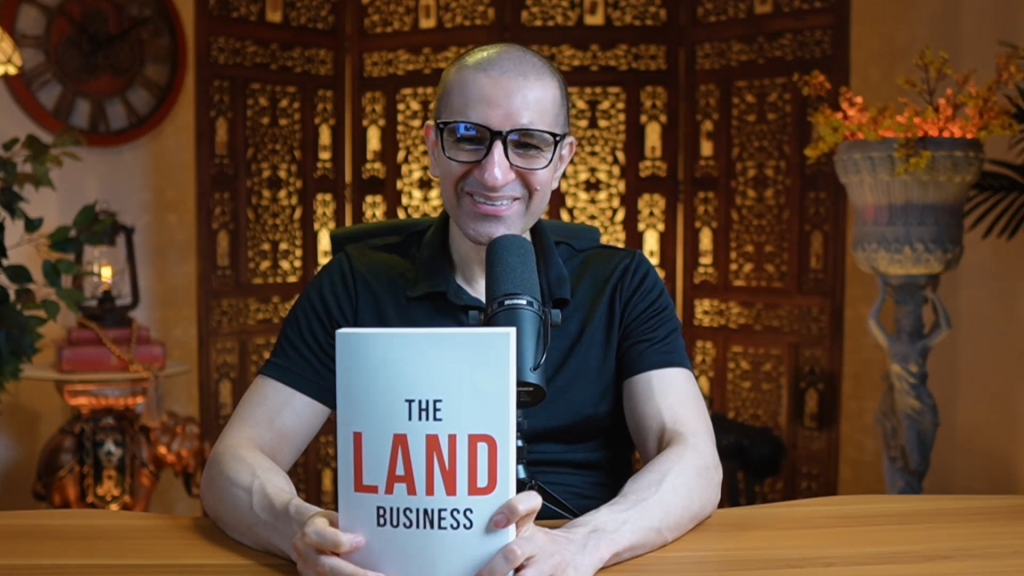
Abi’s own book, The Land Business, is not a how-to guide. It is a principles book built around a core formula he developed over eight years of running a land flipping operation.
The formula is this: Money equals Goodwill times Number of Offers.
It sounds deceptively simple. The way Abi applies it is anything but.
The number of offers piece is straightforward in concept but transformative in practice. When a customer comes to buy a piece of land, most operators make one offer and close the transaction. Abi’s team makes five, six, seven, or eight offers in the same interaction. Would you like help with a soil percolation test? Would you like the property surveyed? Would you like fencing or grading assistance? Would you like to owner finance? Would you like to join the membership? Would you like an introduction to a mobile home developer?
Each offer is either fulfilled by the team directly or through vetted affiliate relationships. The result is that revenue per customer multiplied dramatically once Abi made this shift.
The goodwill side of the formula is equally important. Goodwill as Abi defines it in the book is the positive feeling a person has toward a brand or individual. It is distinct from trust. You can trust someone completely and still have zero goodwill toward them, as Abi illustrates with the story of his highly competent but chronically unresponsive accountant. Trust without goodwill does not generate referrals, repeat business, or a willingness to accept offers.
Goodwill is built through showing up consistently, producing content daily, offering free value, and treating customers as long term relationships rather than one time transactions. For Abi that means daily live streams, property virtual tours, free consulting calls, active LinkedIn and social media presence, and monthly check-in calls with existing customers.
From Nine to Five to Entrepreneur: The Debt Free Path
One of the most compelling aspects of Abi’s story for anyone on a nine to five to entrepreneur journey is that the entire business was built without debt. Abi and his wife came to land flipping specifically because they wanted to get into real estate but were committed to staying debt free. House flipping required debt. Apartment investing required debt. Commercial properties required debt. Raw land investing did not.
That constraint turned out to be a competitive advantage. By starting small and reinvesting profits, Abi and his wife scaled methodically without the pressure of servicing loans or meeting investor expectations. The debt free real estate approach kept the risk manageable at every stage and allowed them to learn from mistakes without those mistakes being catastrophic.
For anyone currently working a nine to five and looking for a realistic path to entrepreneurship, this model is worth studying closely. The entry costs are low, the returns are real, the due diligence is learnable, and the business principles that make land flipping work are the same principles that make any business work.
Customer Lifetime Value: The Growth Lever Most Small Businesses Ignore
As Abi’s land flipping operation matured, his focus shifted from customer acquisition to customer lifetime value. In the early years customer acquisition was cheap, there were not many competitors in the raw land investing space and demand was high. As the niche grew more popular and advertising costs on Facebook and Google continued to climb, the economics shifted.
The response was to invest more in existing customer relationships. Many of Abi’s land sales are owner financed, meaning his team is in an ongoing relationship with customers for three to four years as they pay off their loans. Land buyers, like coin collectors, tend to want more over time. They do not just buy one piece. They build portfolios.
Abi’s team now runs monthly check-in calls, birthday and anniversary outreach, and consistent offers to existing customers who may be ready to buy again. The result is a customer base that generates significantly more revenue per person than a pure acquisition model ever could.
The principle extends far beyond land flipping. As Abi puts it, operational cost reduction has a floor of zero but customer lifetime value has no ceiling. Creativity is the only limit.
The Bottom Line
Land flipping is one of the most accessible entry points into raw land investing for anyone serious about making the leap from nine to five to entrepreneur. The barriers are low, the returns are real, the principles are transferable, and the path is documented in detail by someone who has done it 700 times.
Abi Asija’s story is not a get rich quick story. It is an eight year journey built on business fundamentals, relentless learning, and a simple formula that works in any industry. Money equals Goodwill times Number of Offers. Start there.
Listen to the full episode on YouTube, Spotify, Apple Podcasts, and Podbean. Search DissedMedia: A Startup Story or visit dailypitch.news for show notes and all episodes.
Abi’s Book: The Land Business by Abi Asija
Connect With Abi Asija and Honest Wealth Builders:
Website: https://honestwealthbuilders.com
YouTube: https://www.youtube.com/@HonestWealthBuilders
LinkedIn: https://www.linkedin.com/in/abiasija/