If you want to strike it rich in food, it pays to be in the family. On this edition of Eat the Rich, we have the Mars clan.
Out of the eleven major multinational conglomerates controlling most consumer-packaged goods, no associated CEO names appear on the Forbes Rich List. But while those eleven CEOs may not have made the cut, there are a few familiar names that have. Most prominent in the food and beverage industry are members of the Mars family.
Once the richest family in the United States, they’ve since fallen to fifth. Individually, there are Jacqueline and John Mars, jointly ranked as the 33rd richest people in the world, with a net worth of $42.6 billion. They each co-own, but do not manage, the company. Coming in a bit lower on the list are the children of their late brother, Forrest. These four heiresses to the Mars fortune, Marijke, Pamela, Valerie, and Victoria, are worth an estimated $10.7 billion.
The Mars family is notoriously secretive, so it’s difficult to determine whether they’re greenwashing. Their family’s namesake foundation is equally opaque. From its marketing assets, the foundation’s mission statement seems lifted straight out of Philanthropy for Dummies. They aim to “improve lives and inspire happiness in our communities. We nurture wellbeing by cultivating physical, emotional and social resilience.” They do this through work with Save the Children, building “physical resilience in underserved communities with oral health education and treatment.”
Yes, you read that right. The company that’s made its fortune off of cavity-inducing candy gives money towards oral health.
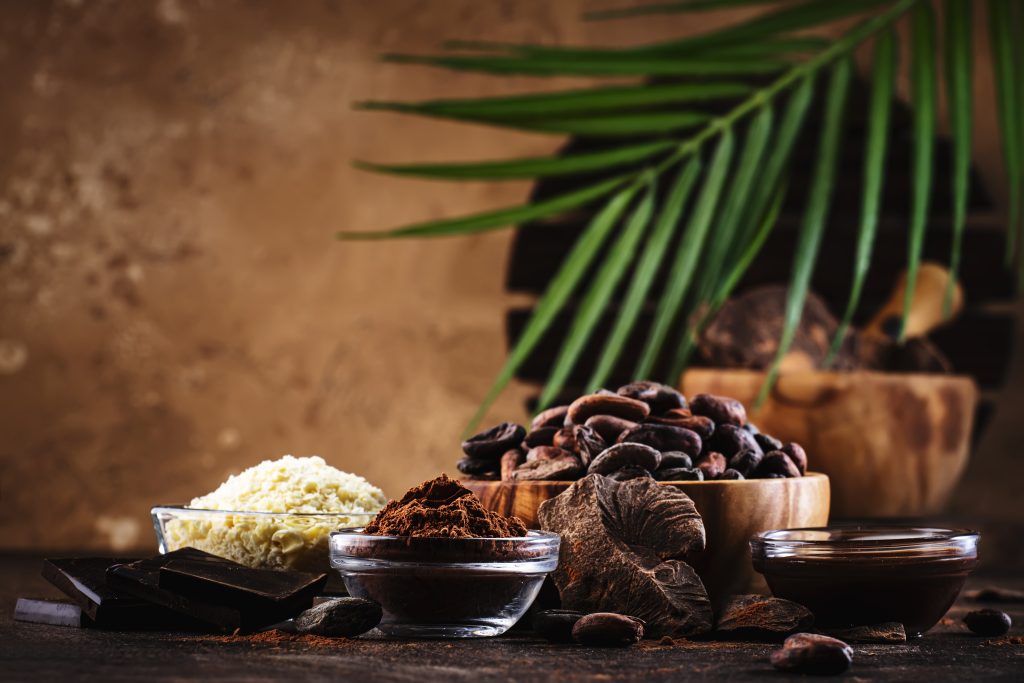
Beyond this, the foundation works to inspire “happiness by improving lives in mint- and cocoa-growing communities and creating vibrant spaces that strengthen social connections.” With such a reliance on mint and cocoa supply chains, it makes sense Mars would want to build up their resilience.
How well are they doing? The company said they would fully eradicate child labour by 2005. In 2021, Mars was named in a class action lawsuit claiming they knowingly used forced child labour on African cocoa plantations. Then a 2023 investigative report found further evidence of labour from children as young as five on plantations in Ghana.
The Global Chocolate Scorecard notes the company is improving on this and other critical supply chain areas. But for a company of its size and stature, as well as a foundation that purports to have the moral high ground on these issues, it all leaves a bad aftertaste.
Kind of like…cocoa made with child labour.
This article is republished, with permission, from John Pabon. John is a sustainability strategist and author focused on helping businesses cut through greenwashing and make environmental responsibility profitable. He is the founder of Fulcrum Strategic Advisors and the author of “The Great Greenwashing.”