
CEOs are often seen as the driving force behind a company’s success. However, history has shown us that CEOs can also be the architects of their company’s downfall. From Theranos’ Elizabeth Holmes to Enron’s Kenneth Lay, we’ve seen a series of corporate scandals that have led to significant financial losses and widespread social impacts. In this article, we’ll explore the stories of these notorious CEOs, the mistakes they made, and the leadership lessons we can learn from their failures.
Elizabeth Holmes and the Theranos Scandal
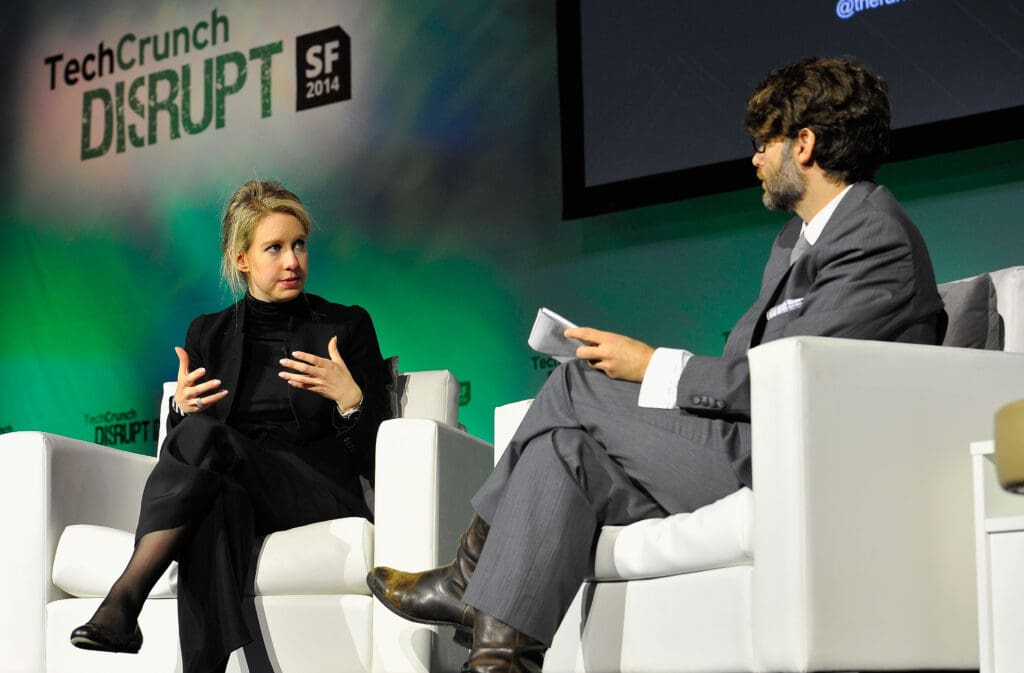
Elizabeth Holmes, founder and ex-CEO of the now-defunct Theranos, faced charges of massive fraud, misleading investors about the company’s technology. Despite knowing the technology was underdeveloped, she continued its promotion, a critical leadership lesson in integrity and transparency. This deception led to her downfall and revealed the truth. The scandal not only undermined trust in the health technology sector but also endangered patients relying on Theranos’ blood tests, risking misdiagnoses and inappropriate treatments. Theranos, once valued at $9 billion, saw its value crash to nearly zero, resulting in massive losses for investors.
Martin Shkreli and the Turing Pharmaceuticals Controversy
Martin Shkreli, ex-CEO of Turing Pharmaceuticals, became infamous for raising Daraprim’s price from $13.50 to $750 per pill, a leadership lesson in ethical decision-making. His actions, coupled with a conviction for securities fraud, culminated in his downfall. This drastic price increase triggered widespread outrage, sparking a significant debate on pharmaceutical pricing and healthcare affordability, and shining a light on price gouging in the industry. Following the backlash, Turing Pharmaceuticals faced intense scrutiny, and Shkreli’s subsequent fraud conviction led to a seven-year prison term and a $7.4 million forfeiture judgment.

John Sculley and the Apple Crisis
John Sculley’s tenure as Apple’s CEO, marked by his role in Steve Jobs’ 1985 ouster, serves as a leadership lesson in vision and adaptability. Under Sculley, Apple struggled to innovate and lost market share, highlighting his challenges in leading the company amidst rapid technological changes. Jobs’ departure led to a stagnant phase for Apple, potentially slowing tech industry innovation. However, Jobs’ eventual return sparked a period of significant innovation. During Sculley’s time, Apple’s market share dropped notably, culminating in a nearly $1 billion quarterly loss in 1997, just before his departure.

Dick Fuld and the Lehman Brothers Bankruptcy
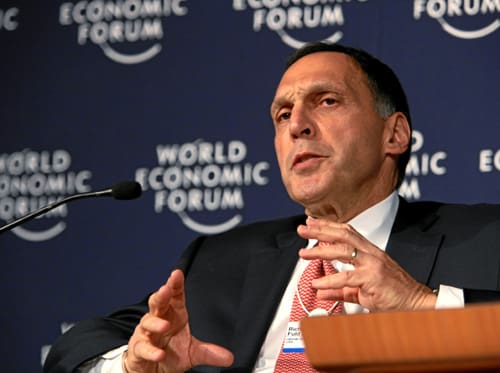
Dick Fuld, ex-CEO of Lehman Brothers, offers a leadership lesson in risk management and foresight. His aggressive risk-taking and oversight of subprime mortgage risks led to the bank’s 2008 bankruptcy, triggering the global financial crisis. Fuld’s downfall was marked by his failure to manage company risks effectively. Lehman Brothers’ collapse began a crisis with profound social impacts, causing widespread job, home, and savings losses, and eroding trust in financial institutions. Holding over $600 billion in assets, its bankruptcy was the largest in U.S. history, leading to a global financial meltdown and massive government bailouts.
Bernie Ebbers and the WorldCom Scandal
Bernie Ebbers, WorldCom’s ex-CEO, presents a leadership lesson in ethical responsibility. He was involved in an accounting scandal, inflating the company’s assets by billions, leading to WorldCom’s bankruptcy and his downfall. This scandal caused significant job losses, impacted the telecommunications industry, and eroded investor confidence in the stock market. WorldCom’s bankruptcy, one of the largest in history, resulted in investors losing about $180 billion, with the company’s assets later sold for a fraction of their value.

Kenneth Lay and the Enron Disaster
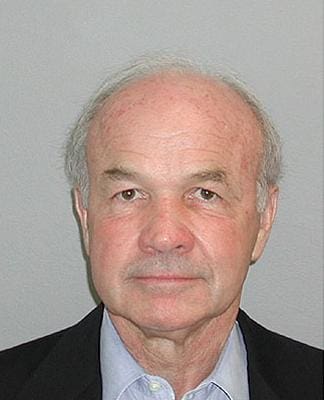
Kenneth Lay, former CEO of Enron, serves as a leadership lesson in financial integrity. Involved in an accounting scandal, he and others used loopholes to hide debt and inflate profits, leading to Enron’s collapse and his downfall. This scandal caused thousands of employees to lose jobs and retirement savings tied to Enron stock. It also eroded investor confidence and spurred new investor protection regulations. Enron’s fall erased $74 billion in stock value and led to $40 billion in investor lawsuits.
The Social and Financial Impacts
The actions of these CEOs had significant social impacts, affecting not only their companies and employees, but also broader communities and, in some cases, the global economy. From undermining trust in the health technology industry (Holmes) to sparking a broader public discussion about pharmaceutical pricing (Shkreli), these CEOs’ actions had far-reaching consequences.
Financially, these CEOs’ poor decision-making led to significant financial losses and economic disruption. Investors lost hundreds of millions of dollars, companies’ values plummeted, and in some cases, sparked global financial crises.
How Did They Get Away With It?
Many of these CEOs were charismatic and persuasive, which allowed them to convince investors, employees, and the public of their vision. They operated with little oversight or accountability, took advantage of the complexity of their businesses to hide their actions, and fostered a culture of secrecy within their companies.
Lessons Learned: Avoiding the Pitfalls
The stories of these notorious CEOs serve as cautionary tales for current and future leaders. They underscore the importance of transparency, ethical conduct, and accountability in leadership. To avoid the pitfalls that led to the downfall of these CEOs, companies should:
- Foster a culture of transparency: Leaders should communicate openly and honestly with their stakeholders about the company’s performance and challenges.
- Uphold ethical standards: Leaders should set the tone at the top by demonstrating ethical behavior and holding everyone in the organization accountable for their actions.
- Implement robust internal controls: Companies should have systems in place to detect and prevent fraud and misconduct.
- Encourage whistleblowing: Employees should feel safe to report unethical behavior without fear of retaliation.
- Comply with regulations: Companies should understand and comply with the laws and regulations that govern their operations.
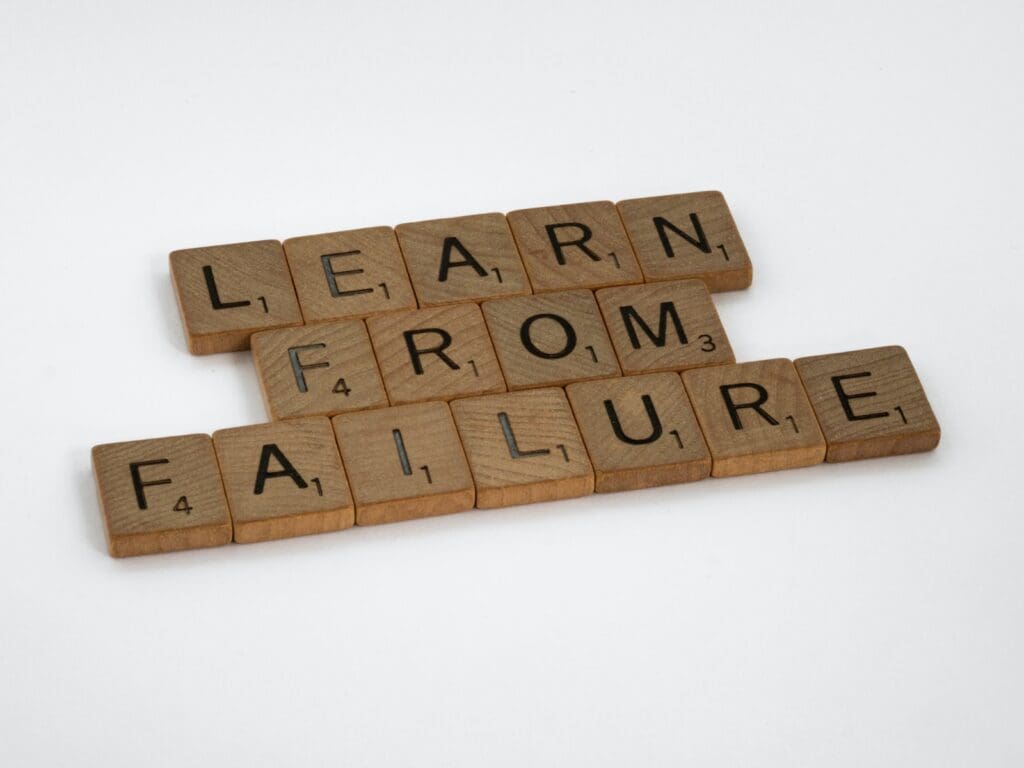
While the actions of these notorious CEOs have left a stain on corporate history, they also provide valuable lessons for future leaders. By learning from their mistakes, we can strive to build better, more ethical businesses.