
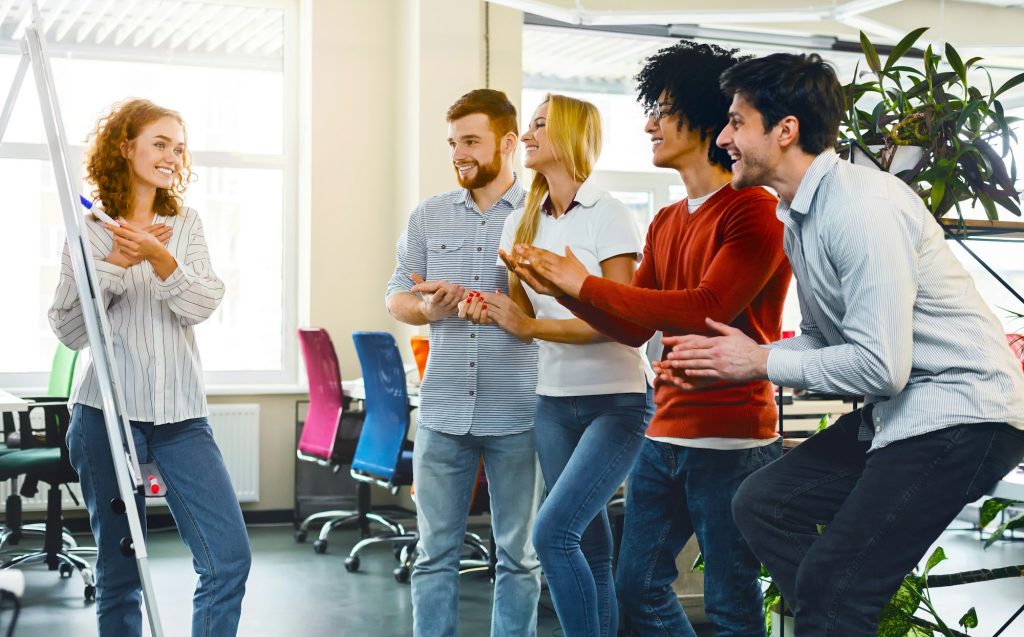

Most team-building activities produce a temporary mood improvement and no lasting change in how the team works together. That is not because team building is a bad idea. It is because the activities are usually designed for enjoyment rather than for addressing the actual dynamics that slow the team down. The teams that perform at a consistently high level tend to have done the less entertaining work of understanding how their members think, communicate, and make decisions differently, and building norms that make those differences productive rather than friction-generating.
This guide covers what research shows about effective team building, how work style differences affect performance, and the approaches that produce something more durable than a good afternoon.
Building Stronger Teams: Activities that Deliver Results
Effective team-building activities are much more than icebreakers; they serve as the backbone for developing trust, communication, and cooperation. As organizations evolve to accommodate diverse work styles, team dynamics become increasingly critical to performance. Studies suggest that well-designed team-building initiatives contribute directly to employee well-being, improving collaboration, morale, and productivity.
Let’s dive into some tried-and-tested team-building exercises that work in diverse workplaces while also exploring how team dynamics, shaped by individual work styles, impact overall performance. These team-building activities are crucial for building cohesive and effective teams.

Engaging Team-Building Activities That Work
- Problem-Solving Workshops
- Teams engage in exercises like escape rooms or innovation challenges where members use critical thinking to solve puzzles.
- These activities foster communication and tap into various work styles, encouraging team members to complement one another’s strengths and improve team dynamics.
- Role Rotation Challenges
- Members switch roles for a day to better understand each other’s responsibilities and challenges.
- This improves empathy, especially in cross-functional teams, by offering insight into diverse perspectives, which can enhance problem-solving and communication. This can be a powerful team-building activity.
- Outdoor Collaborative Games
- Activities like scavenger hunts or obstacle courses build teamwork through physical engagement.
- They help break down communication barriers and foster trust, especially in new or remote teams. Such activities are excellent for team-building.
- Strength-Based Workshops
- Leveraging frameworks like the Gallup StrengthsFinder, teams explore their unique talents and learn how to apply them effectively within group tasks.
- This helps align individual strengths with team objectives, making diverse work styles a valuable asset rather than a challenge and highlighting the importance of team-building activities.
- Mindfulness and Well-being Sessions
- Facilitated sessions on stress management and mindfulness can help teams manage emotional dynamics.
- As these exercises promote well-being, they create a supportive team environment that enhances both performance and satisfaction. Mindfulness sessions can be part of team-building activities.
The Science of Team Dynamics and Work Styles
Research shows that how teams function, whether through collaborative harmony or disruptive conflict, has a measurable effect on performance outcomes. Teams with members who understand each other’s work styles exhibit better cooperation and resilience under pressure. Studies on matrix and Holacracy job designs highlight that autonomy and task interdependence contribute to both individual well-being and group performance. Team-building activities can significantly improve these dynamics.
Each individual brings a unique work style; be it analytical, creative, or empathetic, which can either enhance or hinder collaboration. For example:
- Complementary work styles: When a strategic planner pairs with an executor, their combined strengths drive efficiency.
- Conflicting work styles: On the other hand, mismatched styles, such as overly detail-oriented individuals working with big-picture thinkers, can lead to friction unless addressed proactively. Engaging in team-building activities can help manage such conflicts.
How Team Dynamics Impact Performance
Team dynamics play a pivotal role in determining whether an organization meets its goals. Poor dynamics, often resulting from unacknowledged work-style differences, lead to reduced productivity, burnout, and higher turnover rates. On the flip side, healthy dynamics characterized by mutual respect, trust, and open communication result in enhanced performance and well-being.
In cross-functional teams, dynamics can become even more complex. These teams must balance varying leadership styles and align different departments toward shared goals. Research reveals that well-structured team-building activities can mitigate challenges associated with work-style differences, ensuring smoother collaboration and higher job satisfaction.

Optimizing Work Styles Through Team Building
Understanding the diverse work styles in a team and leveraging them effectively through team-building activities is key to success. Here are a few ways organizations can align individual differences with team goals:
- Promote Self-Awareness: Tools like personality assessments (e.g., Myers-Briggs) help members understand their own work preferences.
- Encourage Open Communication: Teams that foster a culture of feedback are better equipped to address and resolve conflicts.
- Establish Clear Roles: Clear role definitions minimize ambiguity, ensuring that every work style contributes meaningfully to team objectives.
By integrating these practices, organizations can create a synergistic environment where diverse work styles become an asset, not a hindrance. Team-building activities can play a significant role in this integration.
Beyond Team Building: Sustaining a Collaborative Culture
Team-building activities are most effective when viewed as part of a larger strategy to foster a collaborative culture. Regular check-ins, performance feedback loops, and celebrations of success reinforce the behaviors cultivated during these exercises. Organizations that prioritize both team dynamics and individual work styles not only achieve their objectives but also create a fulfilling and engaging workplace.
Final Thoughts
In a fast-evolving business environment, investing in effective team-building activities and understanding diverse work styles is essential for sustained performance. Whether through problem-solving exercises, role rotation, or well-being workshops, these initiatives promote a culture of trust, empathy, and collaboration. By embracing the richness of individual differences and channeling them into cohesive team dynamics, organizations position themselves for long-term success.