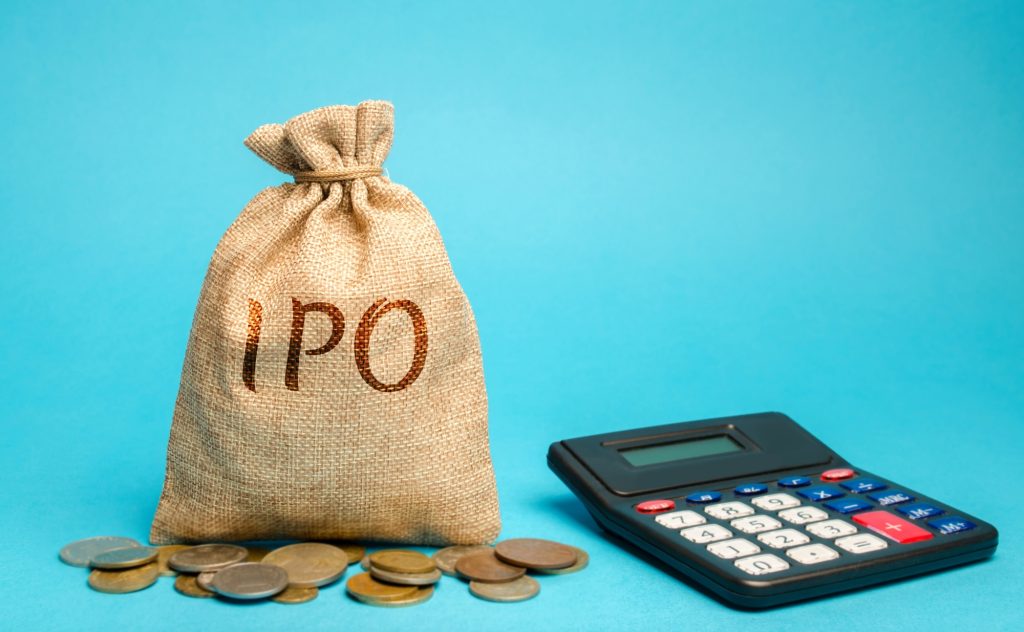

Private-company life feels comfortable until capital demands, investor liquidity, or brand ambition push leadership toward the stock exchange. Should the time come to consider and IPO, the process can be challenging to understand, yet the opportunity to access deep public capital may be worth the effort to understand it. This guide walks through the steps to IPO in plain language, translating the jargon and Wall Street ritual into practical tasks so that founders, finance teams, and professors can discuss going public with wisdom and insight.
Strategic clarity begins with motive. A board does not vote to list merely because markets are buoyant; it votes because the cost of capital in the IPO process is lower than that of private funding, because liquidity for long-time employees matters, or because public currency will facilitate acquisitions. Understanding those drivers keeps leadership disciplined during the noisy months ahead when bankers and analysts crowd the agenda of going public.

Step 1: Board Resolution and Project Charter
When given the green light from your board, it sets governance in motion and becomes the anchor document for investors conducting diligence. Many founders treat this moment as ceremonial, yet it is the first hard gate in the steps to IPO. The resolution authorizes hiring advisers, permits confidential submission of a draft Form S-1, and commits the company to regulatory timelines that define the entire IPO process.
An S-1 is the formal registration statement a company must file with the U.S. Securities and Exchange Commission (SEC) before it can sell its shares to the public for the first time. Required under the Securities Act of 1933, Form S-1 discloses everything a reasonable investor would need to judge the offering’s merits: audited financial statements, management’s discussion of results, business and market descriptions, risk factors, executive compensation, the intended use of proceeds, and details of share ownership. Any domestic company that does not yet qualify for the short-form S-3 must use an S-1 for its initial public offering (IPO) or for other primary share sales; foreign issuers use a comparable F-1.
The filing serves three purposes at once. First, it provides the SEC with the information needed to determine whether the disclosure is complete and not misleading. Second, it supplies prospective investors with a single, vetted source of facts on which analysts and the financial press can rely. Third, it locks management into strict liability for material misstatements, thereby protecting the market’s integrity.
Because the SEC reviews every S-1, the document usually passes through one or more comment cycles before the Commission declares it effective. Only after effectiveness is declared may underwriters confirm final orders and the issuer ring the opening-bell on listing day. Emerging-growth companies may submit a draft S-1 confidentially, but the filing becomes public at least 15 days before the roadshow, ensuring transparency.
Step 2: Financial Housekeeping and Control Upgrades
Before an S-1 reaches the SEC, auditors must sign off on three years of Public Company Accounting Oversight Board (PCAOB) compliant financials. Jay Ritter’s classic research shows that direct expenses; accounting, legal, and insurance, can exceed seven percent of proceeds, even before underpricing is considered. Leadership therefore begins trimming non-essential costs, tightening revenue recognition, and documenting internal controls early. The credibility of going public hinges less on quarterly numbers than on the repeatability of producing them.
Step 3: Selecting Underwriters and Forming the Syndicate
Choosing lead bankers is where art meets the fee table. Underwriters balance distribution power with industry research coverage, and their order book discipline influences first-day price behavior. Tim Loughran and Jay Ritter demonstrate that severe first-day jumps during the dot-com era tracked directly to syndicate incentives that rewarded underpricing. Founders using this insight interview potential leads not only on valuation promises but on how they manage allocations to long-term holders.
Step 4: Drafting the S-1 and Crafting the Story
With auditors and bankers engaged, counsel drives the first confidential S-1 filing. This document is more than compliance; it is the public debut of your corporate narrative. Every line, such as market opportunity, competitive moat, and risk factors, carries legal weight, yet it must read like compelling copy because buy-side analysts will quote it verbatim. At this stage of the IPO process, management ensures they weave key phrases, such as steps to IPO, into media talking points to ensure consistency across roadshow decks.
Step 5: SEC Review, Comment Letters, and Amends
The Commission rarely objects to growth projections; instead it probes revenue recognition, segment reporting, and non-GAAP metrics. Each comment cycle refines disclosures, often forcing tweaks in the timeline for going public. Parallel to the SEC dialogue, the company tests internal “dry-run” earnings calls, preparing executives to speak in plain language without selective disclosure.
Step 6: Investor Education and the Ten-Day Roadshow
Marketing kicks off with analyst teach-ins, followed by management’s multi-city tour. The roadshow’s choreography aims to create scarcity; calendars leave little time between meetings so that feedback flows quickly to the book-building desk. Veteran CFOs refer to this stretch as the emotional peak of the IPO process, because real-time demand signals replace banker theory with hard orders, an essential checkpoint within the steps to IPO.
Step 7: Book Building, Pricing, and Allocation Night
As indications of interest firm up, the syndicate sets a price range. Final pricing occurs the evening before listing, where supply and demand intersect in a conference room thick with caffeine and lawyers. If demand permits, the company may upsize the deal. If markets wobble, leaders must choose between widening the discount or delaying going public.
Step 8: Listing Day and the Opening Print
At 9:30 a.m. eastern time, the exchange official strikes the podium. The first public trade, typically twenty minutes later, is watched globally. While confetti filled photographs dominate headlines, treasury staff track capital arrival, and legal teams monitor real-time trading for manipulation. Leaders must remember that this celebration is merely another mile marker in the long IPO process as the real work of now ensuring shareholder value quickly follows.
Step 9: After-Market Stabilization and Quiet-Period Discipline
Underwriters have thirty days to stabilize the stock using the greenshoe option. Internal investor-relations policies activate overnight, replacing pre-IPO confidentiality with Regulation Fair Disclosure routines that aim to prevent the selective disclosure of important nonpublic information by public companies. During the initial six-month lockup CEOs learn that public scrutiny of margins and headcount moves faster than any private-board discussion, which may be a cultural pivot that is integral to successfully going public.
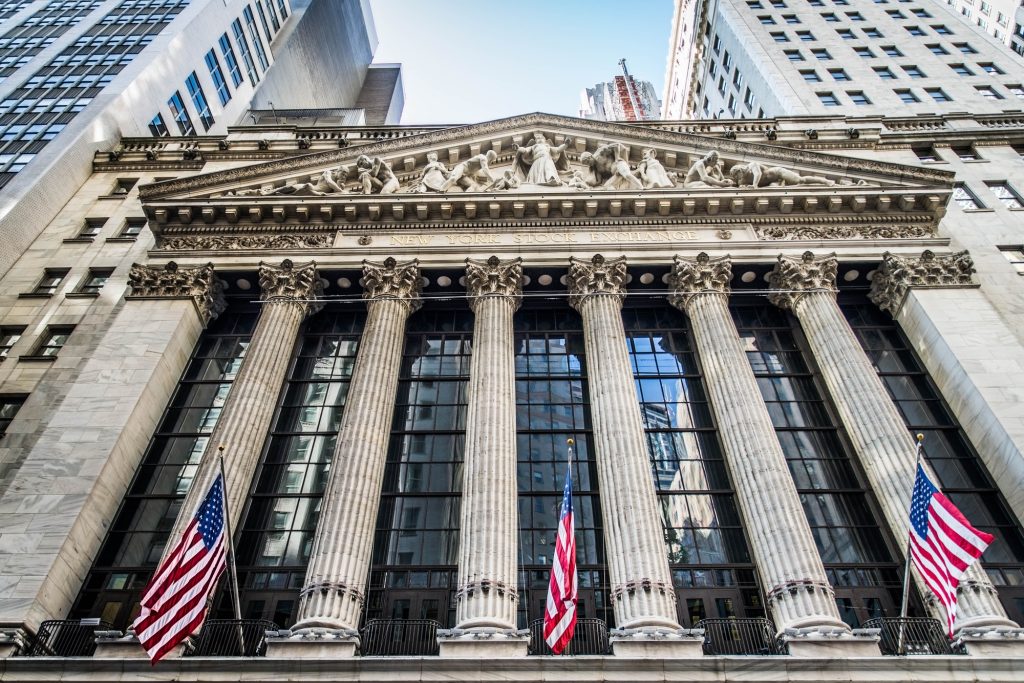
The Changing Landscape of IPO’s
The IPO landscape is no longer a one-lane road. Today, founders have multiple paths to the public markets, including direct listings and SPAC (Special Purpose Acquisition Company) mergers, which are now credible alternatives to the traditional IPO. While these newer options can bypass certain underwriting fees and sidestep the constraints of a roadshow, they come with trade-offs. Most notably, they shift the burden of price discovery, the process of determining the initial value of the company’s shares, from investment banks to the company itself or the market at large.
In a traditional IPO, underwriters use investor feedback to set a price range and build demand. In a direct listing, there is no underwriter setting the price, which can result in greater volatility at the opening bell. Similarly, with SPACs, the valuation is often negotiated behind closed doors, sometimes raising concerns about transparency and alignment with long-term shareholder value.
Because of these dynamics, boards are increasingly conducting rigorous side-by-side evaluations of all available options before launching into an IPO. They weigh cost savings, timing, control, investor mix, and long-term branding implications. The choice of path is no longer merely tactical, it reflects a company’s strategic intent, risk tolerance, and readiness to operate under public scrutiny. For leadership teams, the decision is about how to do so in a way that best aligns with their capital strategy, market narrative, and stakeholder expectations.