


Effective marketing is crucial for small businesses because it allows them to stand out in a crowded marketplace and attract new customers. While large corporations have extensive budgets for advertising, small businesses often need to be more creative with their marketing efforts. By focusing on methods like leveraging user generated content, optimizing Google My Business profiles, targeting long-tail keywords, creating DIY infographics, engaging in community involvement, and guest blogging, businesses can effectively promote themselves on a limited budget. Utilizing low-cost marketing strategies is essential for gaining visibility and building a customer base without significant financial outlay.
This article highlights actionable, low-budget advertising techniques that small businesses can use right away. These strategies ensure that even with minimal resources, small businesses can achieve significant marketing success and compete with larger companies.
Leveraging User Generated Content (UGC)
What is UGC?
User generated content (UGC) refers to any content—such as photos, videos, reviews, and social media posts—created by customers rather than the brand itself. UGC is valuable because it offers authentic insights and testimonials from real users, which can significantly boost trust and credibility. It is also a good way to do some low-budget advertising. Potential customers are more likely to be influenced by their peers’ experiences than traditional advertising, making UGC a powerful tool in low-cost marketing strategies.

How to Implement UGC:
To effectively leverage UGC, start by encouraging your customers to share their experiences with your business. This can be achieved through various tactics like:
- Create a Branded Hashtag: Develop a unique, memorable hashtag for your brand and encourage customers to use it when posting about your products on social media. This not only helps aggregate UGC in one place but also increases the visibility of your brand as customers’ posts are shared within their networks.
- Run Contests or Giveaways: Organize contests or giveaways that require participants to submit UGC for a chance to win a prize. For example, you could ask customers to post photos or videos of themselves using your product and tag your brand or use your branded hashtag. This not only generates a wealth of content but also engages your audience in a fun and interactive way.
- Feature UGC on Your Official Channels: Regularly share user generated content on your own social media profiles, website, or marketing materials. Highlighting customer stories and experiences can enhance your brand’s authenticity and demonstrate a loyal, satisfied customer base. Be sure to give credit to the original creators to foster goodwill and encourage more UGC.
By integrating user generated content into your marketing efforts, you can build a sense of community around your brand, create engaging and relatable content, and enhance your credibility; all without the need for significant financial investment. Optimizing Google My Business
What is Google My Business?
Google My Business (GMB) is a free tool that allows businesses to manage their online presence across Google, including Search and Maps. Whether you run a cozy local café or an online consultancy, optimizing your GMB profile can make a significant difference in how easily potential customers find you and engage with your business. This low-budget advertising strategy is great because it takes advantage of GMB to enhance your visibility in local searches, provides essential information to your customers, and fosters a strong online reputation; all without spending a dime.
How to Optimize for Brick-and-Mortar Businesses:
- Complete Your Profile: Include accurate location details, business hours, and contact information.
- Local SEO: Helps attract foot traffic and local customers searching for services or products in your area.
- Customer Reviews: Enhances credibility and provides social proof.
How to Optimize for Online Businesses:
- Service Area: Specify service areas to reach customers in specific locations.
- Products and Services: List offerings to inform potential customers.
- Engagement: Use posts and updates to keep followers informed about new products, promotions, and events.
High-Quality Photos: Upload professional, high-quality photos to showcase your business, products, or services, and regularly update them to keep your profile fresh and engaging.
Encourage Reviews: Ask satisfied customers to leave positive reviews on your GMB profile. Reviews influence potential customers and impact your local search rankings.
Respond to Reviews: Engage with your audience by responding to reviews, both positive and negative. Thank customers for their feedback and address any concerns raised in negative reviews.
By optimizing your Google My Business profile, both brick-and-mortar and online businesses can improve their online visibility, attract local customers, and build a strong reputation, which are all essential components of effective, low-budget advertising.
Creating DIY Infographics
Why Create Infographics?
Infographics are a powerful tool for engaging audiences and enhancing the shareability of your content. They can be used to simplify complex data and concepts into visually appealing and easy-to-understand formats. This not only helps in better comprehension but also increases the likelihood of your content being shared across social media platforms and other online channels.
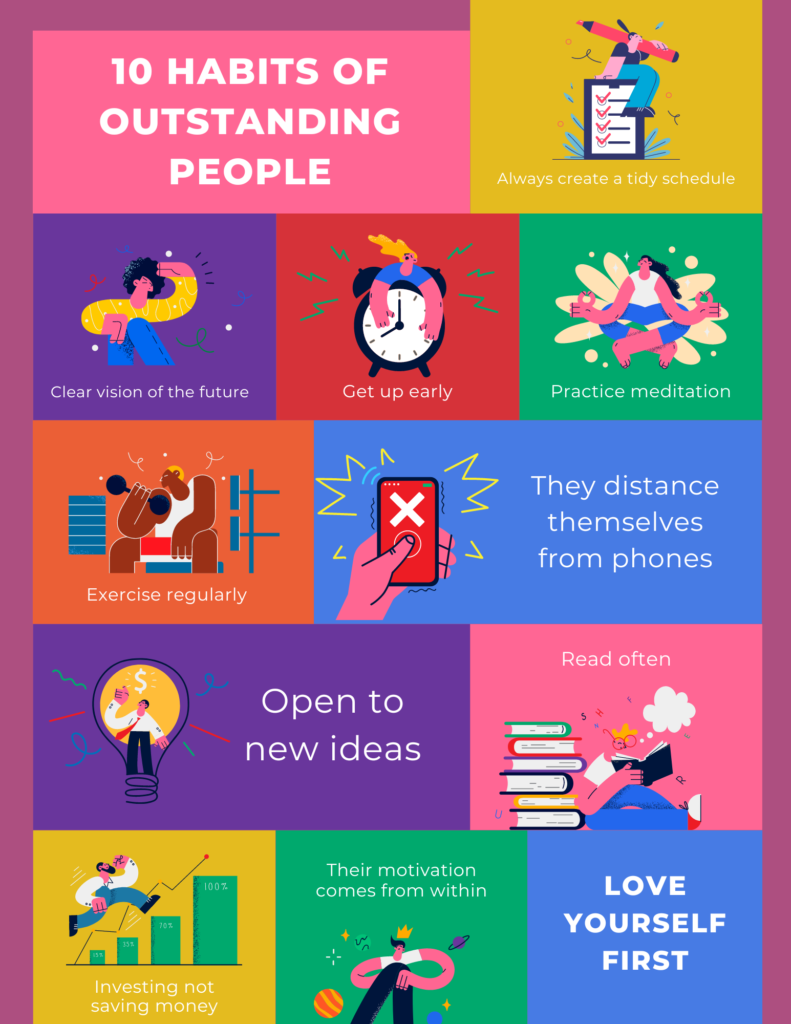
How to Create Infographics:
- Use Free Tools: Platforms like Canva or Piktochart offer user-friendly interfaces and a variety of templates, making it easy to create professional-looking infographics without a graphic design background.
- Simplify Complex Data: Focus on distilling intricate information into key points. Use visuals such as charts, graphs, and icons to represent data effectively and make your message clear and concise.
- Share Strategically: Post your infographics on social media, include them in blog posts, and incorporate them into newsletters to reach a wider audience. Visual content tends to perform better in terms of engagement and shares.
- Encourage Sharing: Include an embed code or a call-to-action encouraging others to share your infographic. This can help extend your reach and increase brand visibility.
By creating and distributing DIY infographics, you can effectively convey important information in a visually engaging way, making it a cost-effective strategy for low-budget advertising.
SEO for Long-Tail Keywords
What are Long-Tail Keywords?
Long-tail keywords are specific, niche phrases that typically consist of three or more words. Unlike broad, general keywords, long-tail keywords have lower search volumes but higher conversion rates because they target more specific search intents. They are particularly valuable for small businesses looking to compete in the crowded online space without spending heavily on advertising.
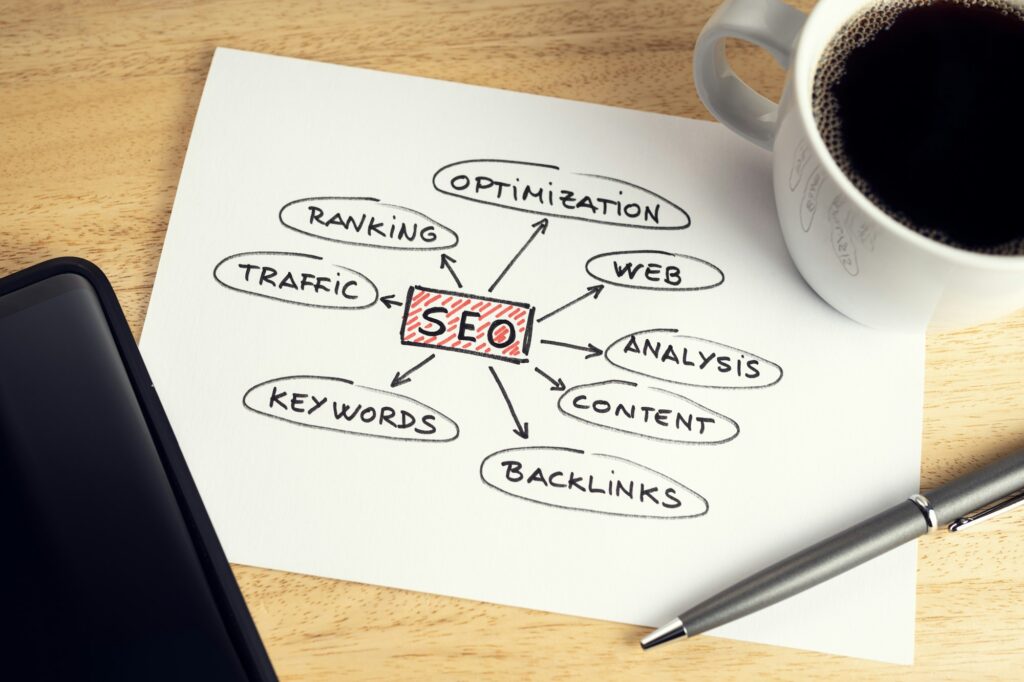
How to Optimize Long-Tail Keyword:
- Conduct Keyword Research: Use tools like Google Keyword Planner, Ahrefs, or SEMrush to identify relevant long-tail keywords for your industry. Look for phrases that potential customers might use when searching for your products or services.
- Integrate Keywords Naturally: Incorporate these long-tail keywords into your website content, ensuring they fit naturally within the text. Avoid keyword stuffing, as it can negatively impact your SEO efforts.
- Create Targeted Blog Posts: Write blog posts that specifically address the niche queries represented by your long-tail keywords. This not only helps in ranking for those terms but also provides valuable content for your audience.
- Monitor and Adjust: Regularly review the performance of your long-tail keyword strategy using analytics tools. Adjust your approach based on what’s working, optimizing existing content and creating new content as needed.
By focusing on long-tail keywords, you can enhance your SEO efforts, attract more qualified traffic, and improve your online visibility, all while keeping your marketing low-budget advertising in check.
Community Involvement
Importance of Local Engagement:
Engaging with the local community is crucial for building a strong, positive presence and reputation. It allows businesses to establish genuine connections with their audience, building loyalty and trust. By actively participating in local activities and events, businesses demonstrate their commitment to the community, which helps humanize the brand and creates a sense of belonging. This personal connection encourages customers to support your business over competitors, enhancing customer retention and encouraging word-of-mouth referrals, which are vital for growth and sustainability.

How to Get Your Business Involved in the Community:
- Participate in Local Events and Fairs: Set up booths or sponsor local events to increase your visibility and directly engage with potential customers.
- Sponsor Community Activities or Sports Teams: Support local teams or activities to build goodwill and brand recognition.
- Host Free Workshops or Seminars: Offer free educational sessions on topics relevant to your business to demonstrate expertise and give back to the community.
- Collaborate with Local Businesses for Cross-Promotions: Partner with nearby businesses to offer joint promotions or events, leveraging each other’s customer bases for mutual benefit.
By participating in community activities and engaging with people, you enhance your brand’s local presence, build meaningful connections, and create a positive impact.
Guest Blogging
What is Guest Blogging?
Guest blogging involves writing articles for other blogs within your industry. This strategy can be highly effective for several reasons. It allows you to tap into established audiences that you might not otherwise reach. By sharing your expertise on reputable blogs, you build authority and credibility in your field. Also, guest blogging significantly boosts your SEO efforts. Backlinks from high-quality blogs improve your search engine ranking, making it easier for potential customers to find your website. The increased exposure and traffic can lead to higher conversion rates and business growth.

How to Get Started:
- Identify Popular Blogs: Look for blogs in your industry with a strong, engaged audience.
- Pitch Unique Content Ideas: Approach blog owners with original and valuable content ideas that align with their audience’s interests.
- Include Backlinks: Integrate backlinks to your website within the content to drive traffic and improve your search engine ranking.
- Promote the Guest Post: Share the published guest post on your own social media channels and website to maximize its reach and impact.
By strategically guest blogging, you can effectively increase your online presence and attract new audiences without significant financial investment.
Implementing these low-cost marketing strategies can significantly enhance your business’s visibility and engagement without straining your budget. From leveraging user generated content and optimizing your Google My Business profile to creating DIY infographics, focusing on long-tail keywords, engaging with your local community, and guest blogging, these methods offer practical and impactful ways to promote your business.
Consistency and creativity are key to maximizing these strategies’ benefits. Start integrating these techniques today to see tangible results and sustainable growth.
Call to Action
Share your experiences with low-budget marketing strategies and subscribe to our newsletter for more tips and insights.